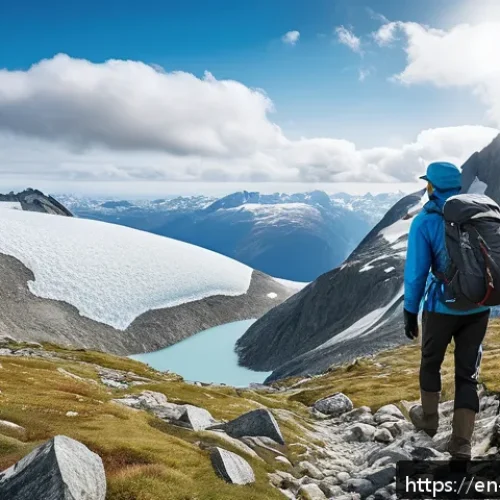
You know, when you picture Norway, your mind probably jumps straight to those jaw-dropping fjords, the Northern Lights dancing overhead, and serene, almost untouched nature.

It’s truly a bucket-list destination for so many of us who crave adventure and breathtaking scenery. But while we’re dreaming of those picturesque drives, have you ever considered what makes their roads incredibly safe, or perhaps, the unique challenges they overcome to maintain that reputation?
It’s easy to get swept away by the beauty, but the fascinating story of how Norway tackles traffic safety is equally compelling. From ingenious infrastructure designs to a culture that truly prioritizes cautious driving, they’re often leading the way in road safety innovation.
I’ve personally been digging into their strategies, and let me tell you, there’s a lot more to it than meets the eye—lessons that could literally save lives.
Ready to uncover the secrets behind Norway’s impressive road safety record and the measures keeping everyone safe on those stunning roads? Let’s dive in and explore exactly how they do it.
Okay, let’s dive into the fascinating world of Norwegian road safety. I’ve been really digging into their approach, and honestly, it’s a masterclass in how a country can truly prioritize the well-being of its citizens on the road.
It’s not just about rules; it’s a deep-seated cultural commitment that makes all the difference.
The Human Element: Driving with a Conscience
A Culture of Responsibility
You know, I’ve noticed something really striking about Norwegian drivers: there’s an ingrained sense of responsibility. It’s not just about avoiding fines; it’s about genuinely caring for everyone on the road.
From what I’ve gathered and observed, this attitude starts young, with comprehensive road safety education integrated into schooling from kindergarten.
Kids are taught early about pedestrian and cyclist safety, right-of-way at zebra crossings, and understanding traffic signals. This early foundation really shapes their future behavior as drivers.
It’s a collective mindset where reckless driving carries a significant social stigma. Unlike some places where pushing the limits is almost a sport, in Norway, it’s just not “on.” This deep-seated respect for traffic laws and fellow road users is, in my opinion, one of the most powerful, yet often overlooked, factors in their impressive safety record.
It’s truly about shared patterns of behavior and shared expectations for other road users, which fosters a predictable and therefore safer environment for everyone.
When I’ve driven there, I felt a noticeable difference in the calm, considered approach of other drivers, which honestly, makes the whole experience so much more enjoyable and less stressful.
Strict Laws and Even Stricter Enforcement
Now, let’s talk about the laws, because they are no joke. Norway has some of the lowest impaired driving limits in the Western world, set at a mere 0.02% BAC.
I mean, that’s practically zero! And they enforce it rigorously with frequent police road checks and mandatory breath samples, even if there’s just a suspicion.
Believe me, the penalties for driving under the influence are incredibly severe, acting as a powerful deterrent. Speeding is another area where they show zero tolerance.
The fines are genuinely eye-watering; doing just 5 km/h over the limit can cost you a pretty penny, and going 25 km/h over could mean a massive fine, possibly even a license suspension.
I’ve personally seen speed cameras blend seamlessly into the landscape, and let me tell you, they are everywhere, ensuring drivers stick to those conservative limits.
This combination of strict rules and consistent, highly visible enforcement really encourages a disciplined driving style, which I can only imagine contributes significantly to reducing accidents.
It’s a clear message that road safety isn’t something to be taken lightly.
Engineering Safety: Smart Roads and Smarter Tunnels
Designing for Forgiveness
One thing that always impresses me about Norwegian infrastructure is how it’s designed with “forgiveness” in mind. They don’t just build roads; they engineer safety into every curve and straightaway.
Many roads, especially where there’s a risk of serious crashes, are equipped with median safety barriers and fortified rumble strips. These aren’t just cosmetic additions; they’re vital features that prevent head-on collisions and keep vehicles from veering off into dangerous terrain.
I’ve driven on some truly challenging mountain roads there, and while the scenery is stunning, the clever placement of these barriers gave me an extra layer of confidence.
The Norwegian Public Roads Administration (NPRA) consistently invests in maintaining and upgrading existing roads, incorporating design standards that explicitly consider the safety of all road users, including pedestrians and cyclists.
It’s not just about getting from A to B; it’s about making sure you get there safely, even if you make a small mistake.
Navigating the Nordic Landscape: Tunnels and Ferries
Norway’s geography presents some incredible challenges – think mountains, fjords, and a rugged coastline. To overcome these, they’ve developed some truly ingenious solutions, especially with their tunnels and ferry systems.
Miles and miles of tunnels bore through mountains, connecting communities and shortening travel times significantly. These aren’t just dark holes; they are often well-lit, ventilated, and equipped with emergency systems.
And the ferries, which are an integral part of their road network, operate with remarkable efficiency and strict safety protocols. I remember being amazed at how smoothly the process worked, even with large vehicles.
This commitment to maintaining mobility while ensuring safety across such a diverse and often harsh landscape is simply phenomenal. It reflects a deep understanding that infrastructure must adapt to nature, not just fight against it.
Tech on the Tarmac: Innovations Keeping You Safe
Advanced Surveillance and Data-Driven Decisions
Norway isn’t just about traditional methods; they’re also at the forefront of leveraging technology for road safety. We’re talking about advanced systems like automatic speed cameras and automatic number plate recognition (ANPR) that play a crucial role in maintaining speed limits and identifying problematic driving behaviors.
What truly fascinates me is their data-driven approach. The Norwegian Public Roads Administration is utilizing data from thousands of sensors and camera streams to identify high-risk areas and even predict potential accident spots.
They’re developing “risk curves” by combining data from various sources and employing machine learning to pinpoint specific road segments that might pose an elevated risk.
This proactive stance, using vast amounts of data to prevent accidents before they even happen, feels incredibly cutting-edge. It’s not just about reacting to incidents; it’s about intelligently anticipating and mitigating risks, which is a game-changer in road safety.
Vehicle Safety and Driver Assistance
Beyond the roads themselves, there’s a strong emphasis on safer vehicles. Norwegian passenger cars are, on average, considerably younger than the EU average, meaning they incorporate more modern safety features.
Things like advanced driver-assistance systems (ADAS), improved braking, and stronger chassis are becoming standard, contributing to a lower risk of severe injury in the event of a crash.
The consistent decline in fatalities, even with increasing vehicle numbers, is partly attributed to the growing market penetration of these safety features.
This focus isn’t just on what drivers do, but also on giving them the best possible tools to avoid accidents and protect themselves if one occurs. It’s a holistic view that considers every aspect of the driving ecosystem.
Beyond the Rules: A Culture of Responsibility
“Vision Zero”: An Ethical Imperative
Norway’s road safety strategy is fundamentally built upon “Vision Zero,” a concept they adopted back in 2001, following in Sweden’s footsteps. This isn’t just a catchy slogan; it’s an ethical philosophy stating that no one should be killed or seriously injured within the road transport system.
It’s a profoundly human principle that reframes road safety from a cost-benefit analysis to an ethical imperative. They’ve even set an ambitious target of fewer than 50 annual road deaths by 2030 and aiming for zero fatalities by 2050.
I remember first learning about this and thinking, “Wow, that’s bold,” but seeing their progress, it feels entirely achievable. This vision guides everything, from infrastructure design to public campaigns, creating a truly unified and relentless pursuit of safety.
It places shared responsibility on both the system designers and road users, a critical distinction from traditional approaches.
Education, Campaigns, and Community Engagement
It’s not enough to just have laws and infrastructure; you need to bring the public along for the ride. Norway does this brilliantly through targeted campaigns and community-level engagement.
The Norwegian Council for Road Safety works tirelessly, developing educational content for teacher training programs and offering courses. They have initiatives like the “Heart Zones” program, which creates car-free areas around schools to protect children, and a “Traffic Safe Municipalities” certification scheme that encourages local leadership in road safety.
These efforts show a deep understanding that continuous public awareness and education are key to maintaining their safety record. They invest in preventative measures, ensuring that safety consciousness is woven into the fabric of everyday life, not just something you think about after an incident.
Winter Woes and How They Win: Battling Nature’s Fury
Mastering the Snowy Roads
If you’ve ever imagined driving in Norway during winter, you’re probably picturing stunning, snow-covered landscapes – and rightly so. But those conditions can be incredibly challenging.
What strikes me is how well-prepared they are for it. Winter tires (often studded) are not just recommended; they are a legal requirement during specific periods, from November 1st to the first Sunday after Easter in most regions, and even earlier in the north.
I always make sure to check the tread depth, as the minimum is a critical 3 millimeters for winter tires. They’ve also got these fluorescent poles along the roadside, especially in rural areas, which help you gauge the road’s edge when visibility is poor, almost like a friendly guide in a whiteout.
It’s these practical, on-the-ground solutions that truly make a difference.
Driving Smart in Harsh Conditions
Beyond the equipment, there’s a real emphasis on *how* to drive in winter. I’ve heard the advice firsthand: adjust your speed to conditions, allow significantly more stopping distance (it can take ten times longer to stop on ice than on dry asphalt!), and avoid sudden braking or steering.

There’s also a common suggestion to “sit like a priest” – upright, closer to the wheel and pedals – to improve reaction time. I even learned a trick about braking before a curve, not in it, to maintain grip.
And always, always make sure your car is completely clear of snow and ice, not just your windshield but your headlights and roof too. Failing to do so can result in fines!
This combination of specialized equipment, driver training, and a cautious mindset really helps them conquer some of the most beautiful, yet demanding, driving conditions on the planet.
Investing in Tomorrow: Education and Sustainable Solutions
Shaping Future Drivers
The long-term success of Norway’s road safety is deeply rooted in its investment in education, starting from a very young age. This isn’t just about getting a driver’s license; it’s about instilling a profound respect for the road and its users from childhood.
As I mentioned, children are taught about traffic safety principles from kindergarten, learning everything from pedestrian rules to cycling safety. This foundational knowledge is crucial.
When they finally get behind the wheel, usually after extensive and often expensive driver training, they already have a decade or more of ingrained safety awareness.
This rigorous training isn’t just about passing a test; it’s designed to create highly competent and responsible drivers who understand the weight of their actions on the road.
The system also includes a double penalty points system for new drivers, reinforcing the importance of safe habits early on. This continuous, multi-layered educational approach is, to me, the bedrock of their sustainable safety record.
A Holistic Approach to Road Safety
Norway’s National Plan of Action for Road Safety, updated every four years, is a comprehensive document that outlines 179 specific measures across 15 priority areas for the period of 2022-2025.
This isn’t a piecemeal strategy; it’s a coordinated effort involving the Ministry of Transport, the Norwegian Public Roads Administration, the police, health authorities, education directorates, and numerous non-governmental organizations.
They look at everything: improving infrastructure, enhancing vehicle safety, educating road users, rigorous enforcement, and even post-crash care. It’s this collaborative, evidence-based, and systematic approach that allows them to achieve such remarkable results.
They are always researching, always adapting, and always seeking to integrate new data and innovations, such as the BEST research program strengthening evidence-based policy.
This dedication to continuous improvement ensures that their roads remain among the safest in the world.
| Aspect of Road Safety | Norwegian Approach | Impact on Safety |
|---|---|---|
| Vision Zero Philosophy | Ethical imperative: no deaths/serious injuries are acceptable. | Drives comprehensive, long-term policy and public commitment. |
| Speed Management | Conservative limits (e.g., 80 km/h rural, 50 km/h urban), widespread speed cameras, strict fines. | Significant reduction in average speed, directly correlated with fewer fatalities. |
| Impaired Driving | Very low legal limit (0.02% BAC), frequent checks, mandatory breath samples, severe penalties. | Strong deterrence, minimizing alcohol-related accidents. |
| Infrastructure Design | Forgiving roads, median barriers, rumble strips, extensive tunnels, ongoing upgrades. | Reduces severity of crashes, prevents common accident types like head-on collisions. |
| Winter Preparedness | Mandatory winter/studded tires, fluorescent roadside markers, driver education for snowy/icy conditions. | Ensures safe navigation through challenging winter weather. |
| Education & Culture | Early childhood road safety education, rigorous driver training, social stigma against reckless driving. | Fosters a deeply ingrained culture of responsible and cautious driving. |
Sustainable Roadways: Environmental Responsibility Meets Safety
Balancing Green Goals with Safe Journeys
It’s easy to focus solely on crash statistics, but Norway’s approach to transport is also increasingly intertwined with environmental responsibility. Their new National Transport Plan for 2025-2036 places a greater emphasis on climate change and reducing greenhouse gas emissions, alongside safety.
What this means for drivers is a push towards more sustainable transport options like electric vehicles, but critically, without compromising safety standards.
I’ve noticed a significant increase in charging infrastructure, for instance, even in more remote areas, encouraging the adoption of EVs which often come with advanced safety features built-in.
This dual focus ensures that as they move towards a greener future, they’re simultaneously making it a safer one. It’s a smart strategy that benefits both the planet and its people.
Investing in Active Transport and Public Spaces
Another really cool aspect of their holistic safety strategy is the focus on active transport – think walking and cycling. The National Transport Plan isn’t just for cars; it includes pedestrians, cyclists, and motorcyclists in the design, construction, operation, and maintenance of roads.
This means better sidewalks, dedicated bike lanes, and safer crossings, especially in urban areas. This makes a lot of sense, right? The more people who can safely walk or cycle, the fewer cars on the road, which inherently reduces overall traffic risk.
They’re also investing in urban public transport, further reducing reliance on private vehicles. I’ve personally seen how pleasant it is to cycle in cities like Trondheim, thanks to well-planned infrastructure.
This approach not only boosts public health and reduces emissions but also contributes to a generally calmer and safer overall traffic environment for everyone.
It’s a positive feedback loop that I believe many other countries could truly learn from.
The “Why”: Unpacking Norway’s Mindset
Prioritizing Life Over Convenience
At the heart of Norway’s extraordinary road safety record, I believe, lies a fundamental societal value: life and health are paramount. This isn’t just rhetoric; it’s a principle woven into the fabric of their decision-making, particularly through Vision Zero.
This philosophy explicitly states that life and health can *never* be exchanged for other benefits, like speed or convenience. In most places, there’s an unspoken compromise between the desire for faster travel and the inherent risks involved.
In Norway, they consciously lean towards safety, even if it means lower speed limits or more extensive infrastructure projects that take time and money.
I think this ethical stance is what truly sets them apart. It cultivates a different kind of respect for life on the roads that permeates every level, from government policy to individual driver behavior.
Continuous Learning and Adaptability
Finally, what really resonates with me is Norway’s commitment to continuous learning and adaptability. Their road safety plans aren’t static; they are systematically reviewed and updated every few years, incorporating the latest research and crash analysis.
They’re constantly asking “how can we do better?” For instance, legislative reforms now require in-depth investigations of all fatal crashes and mandatory autopsies to support a thorough analysis, providing crucial insights to prevent future incidents.
Even in the face of challenging conditions like winter weather or the complexities of modern vehicle technology, they’re always evolving their strategies.
This blend of long-term vision, unwavering ethical commitment, and a willingness to innovate and adapt is, in my experience, the true secret behind Norway’s success in making their stunning roads incredibly safe.
It’s a testament to what’s possible when a nation genuinely commits to protecting its people.
글을 마치며
Wrapping things up, it’s clear that Norway’s incredible success in road safety isn’t just a happy accident; it’s a meticulously crafted outcome of a deep-seated cultural commitment. From the “Vision Zero” philosophy that prioritizes human life above all else, to their robust infrastructure and unforgiving enforcement, every piece of the puzzle fits together to create a driving environment that genuinely protects its citizens. What I’ve really taken away from diving into their approach is that safety isn’t just about rules; it’s a living, breathing mindset that permeates every aspect of their society, making their roads a global benchmark for what’s truly possible.
알아두면 쓸모 있는 정보
1. Winter Tires are Mandatory: If you’re driving in Norway between November 1st and the first Sunday after Easter (and sometimes earlier in northern regions), ensure your vehicle is equipped with appropriate winter tires, often studded, and check the minimum 3mm tread depth. This isn’t just a suggestion; it’s a legal requirement to ensure traction on often icy and snowy roads, and failing to comply can lead to fines and safety risks. Always be prepared for rapidly changing weather conditions, and never compromise on tire quality during the colder months.
2. Strict Speed Limits and Cameras: Norwegian roads often have lower speed limits than you might be used to, typically 80 km/h in rural areas and 50 km/h in urban zones, with some motorways at 100-110 km/h. Speed cameras are ubiquitous and discreetly placed, and exceeding the limit even slightly can result in significant fines, often escalating quickly. It’s crucial to pay close attention to signage and err on the side of caution, as enforcement is consistent and penalties are steep. Consider using a GPS with speed limit alerts for peace of mind and to avoid unexpected tickets.
3. Zero Tolerance for Impaired Driving: Norway enforces an incredibly low Blood Alcohol Content (BAC) limit of 0.02%, which is essentially zero for all practical purposes. This strict regulation is backed by frequent roadside checks and severe penalties, including hefty fines, immediate license suspension, and even imprisonment for serious offenses. My advice? If you plan to drink anything at all, do not drive. Use public transport, taxis, or designate a sober driver to ensure you stay within the law and, more importantly, keep yourself and others safe on the roads.
4. “Vision Zero” is a Guiding Principle: Understand that Norway’s entire road safety philosophy, “Vision Zero,” means that no death or serious injury on the roads is acceptable. This ethical stance influences everything from road design to public education campaigns, fostering a driving culture where responsibility and care for fellow road users are paramount. Embracing this mindset yourself will not only make you a safer driver but also help you understand why Norwegians drive the way they do – with extreme caution, respect, and a collective commitment to protecting lives.
5. Driver Education is Comprehensive and Continuous: Getting a driver’s license in Norway involves extensive and often costly training, instilling a deep understanding of safety principles from a very young age. This rigorous education continues through various public awareness campaigns aimed at all age groups. As a driver, continuously refresh your knowledge, especially regarding seasonal driving conditions and any new traffic laws or regulations. Taking an active role in your own road safety education will empower you to navigate Norway’s unique driving challenges with confidence and competence, ensuring you’re always prepared.
중요 사항 정리
Norway’s remarkable road safety record isn’t due to a single factor but a powerful synergy of a deeply ingrained safety culture and uncompromising systemic measures. At its core, the nation embraces “Vision Zero,” an ethical imperative that prioritizes human life above all else, translating into a collective societal responsibility on the roads. This ethos is reinforced by a meticulous blend of stringent laws, rigorously enforced with significant penalties for speeding and impaired driving, which acts as a powerful deterrent. Furthermore, their infrastructure is brilliantly engineered with “forgiveness” in mind, featuring safety barriers, smart tunnels, and robust maintenance, all designed to mitigate the severity of potential incidents. Beyond physical infrastructure, Norway leverages advanced technology for data-driven risk assessment and employs comprehensive, continuous education programs from childhood through adulthood, ensuring drivers are not only skilled but also deeply conscious of their impact on road safety. This holistic, proactive, and values-driven approach truly sets Norway apart as a global leader in protecting its citizens on the move, offering valuable lessons for road safety initiatives worldwide.
Frequently Asked Questions (FAQ) 📖
Q: Considering Norway’s incredible landscape of fjords, mountains, and often harsh weather, how do they manage to maintain such an impressively low rate of road accidents and fatalities?
A: Oh, that’s a fantastic question and it’s something I’ve personally pondered a lot while researching their system! It really boils down to a multi-faceted approach where everyone, from government engineers to the everyday driver, plays a part.
First off, their infrastructure is just mind-blowing. Think about it – building roads through fjords and mountains isn’t easy, but Norway invests heavily in smart solutions.
They’ve got an extensive network of tunnels, some incredibly long, that bypass treacherous mountain passes, and stunning bridges that connect islands and cross vast waters.
These aren’t just feats of engineering; they’re designed with safety as the absolute priority, often featuring excellent lighting and emergency exits.
Beyond the big structures, the roads themselves are meticulously maintained. You’ll find clear lane markings, effective drainage systems, and regular inspections, especially crucial after a harsh winter.
Then there’s the ‘Vision Zero’ strategy, which is practically ingrained in their national consciousness. The idea is that no loss of life or serious injury on the roads is acceptable, and they work tirelessly towards that goal.
This means continuous monitoring, data analysis, and implementing changes based on what they learn. From my experience, what truly sets them apart is their proactive approach to winter driving.
It’s not just about gritting roads; it’s about mandatory winter tires, specialized driver training for icy conditions, and a culture where drivers are expected to be fully prepared for sudden changes in weather.
It’s a testament to planning, investing, and a collective responsibility that really struck me.
Q: What are some specific driving rules or cultural norms in Norway that might surprise foreign visitors, and how do these contribute to their overall road safety?
A: This is where it gets really interesting, because it’s not just about the laws, but the ingrained culture of driving. As someone who’s looked into this deeply, I can tell you that Norwegian drivers have a reputation for being incredibly disciplined and patient, and that’s a huge part of the safety equation.
One thing that might surprise you is how strictly speed limits are enforced, and how universally they are respected. Forget about nudging over the limit; they take it seriously, and the fines for even minor infractions can be eye-watering.
This isn’t about revenue generation; it’s about deterring risky behavior. You’ll find speed cameras, often subtly placed, but more importantly, a collective understanding that sticking to the limit is simply the way you drive.
Another unique aspect is the strong emphasis on courteous and defensive driving. You rarely see aggressive maneuvers or road rage. Drivers are incredibly respectful of pedestrians, cyclists, and each other.
For example, if you see a car pulling over and flashing its lights, it’s often a warning about an animal on the road or a hazard ahead – a real community spirit.
This extends to the expectation of having proper winter tires during the colder months; it’s not just a recommendation, it’s a critical safety measure that most drivers adhere to without question.
They also have strict rules around drinking and driving, with a very low legal blood alcohol limit, which again, contributes significantly to overall safety.
It’s a blend of strict enforcement and a deep-seated cultural value of responsibility that really shapes their safe roads.
Q: For anyone dreaming of a Norwegian road trip, what’s the absolute most crucial piece of advice you’d offer to ensure they have a safe and unforgettable journey, especially given the unique driving conditions?
A: Oh, if you’re planning a Norwegian road trip, you are in for an absolute treat! It’s one of the most breathtaking places I’ve ever imagined driving through.
My biggest, most crucial piece of advice, hands down, is to slow down and be incredibly flexible with your plans. Seriously, resist the urge to rush. Norway isn’t about speed; it’s about soaking in the journey.
The roads, while stunning, can be narrow, winding, and pass through small villages with unexpected turns. You’ll encounter everything from sheep grazing nonchalantly on the roadside to dramatic weather changes, even in summer.
What I’ve personally learned is that checking the weather and road conditions daily is non-negotiable, especially outside of peak summer. Mountain passes can close unexpectedly due to snow or rockslides, and a sunny morning can turn into a foggy, rainy afternoon in a heartbeat.
Don’t be afraid to adjust your itinerary if conditions aren’t ideal. Also, be mindful of those fantastic fjord crossings via ferry – they’re an integral part of the experience, but factor in potential wait times.
Ensure your vehicle is in top condition, especially brakes and tires, and always carry emergency supplies, particularly if venturing into more remote areas.
Ultimately, approach it with an adventurous spirit but a cautious mind, and you’ll have stories to tell for a lifetime. Trust me on this one; the views are worth every slow, deliberate moment.