
Stepping off the plane in Norway is an experience unlike any other, instantly immersing you in a world of breathtaking fjords and crisp, clean air. I remember my first time landing at Oslo Gardermoen, feeling that unique blend of modern efficiency and serene Nordic charm.
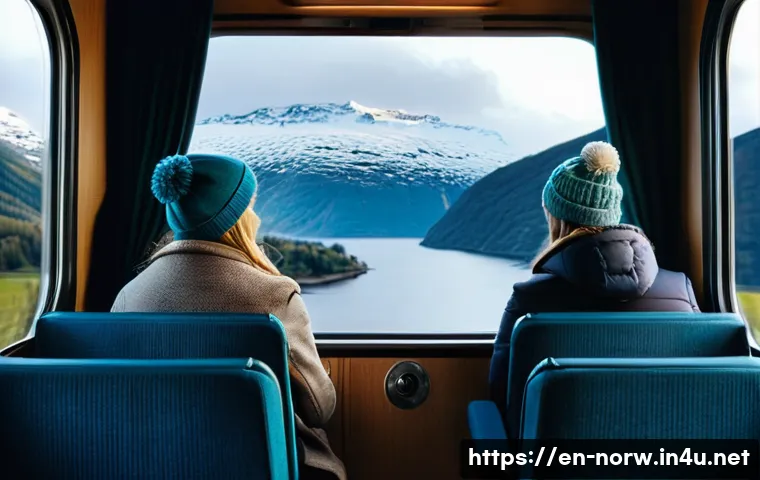
Whether you are heading straight for the bustling city life or venturing deep into the tranquil wilderness, navigating Norway’s airports and flights can feel a bit daunting at first.
But trust me, with their commitment to making travel smoother and even greener – did you know Norway is pushing for all short-haul flights to be electric by 2040?
– you are in for an incredibly well-connected journey. From the vibrant hub of Oslo to the scenic gateway of Bergen, getting around this stunning country is easier than you might think, especially when you know a few insider tips.
Let’s dive in and make your Norwegian adventure soar.
Let’s explore how to transform your travels in Norway into seamless adventures.
Decoding Norway’s Airport Landscape
Navigating a new country often begins at its airports. Norway boasts a network of airports, each offering unique services and connecting you to different regions.
Oslo Airport (OSL), also known as Gardermoen, is the main international hub. I remember the clear signage and efficient layout made my layover incredibly smooth.
Bergen Airport (BGO), Stavanger Airport (SVG), and Trondheim Airport (TRD) are also key airports, connecting you to the stunning fjords and northern lights.
These airports are well-equipped with amenities like free Wi-Fi, restaurants featuring local cuisine, and comfortable lounges, making your travel experience enjoyable.
Plus, getting from the airport to the city center is a breeze with options like the Flytoget airport express train or comfortable airport buses.
Understanding Flight Options within Norway
Once you’ve landed, exploring the country further often involves domestic flights. Several airlines operate within Norway, including Norwegian Air Shuttle, SAS (Scandinavian Airlines), and Widerøe.
From my experience, booking flights in advance, especially during peak seasons like summer and winter, can save you a lot of money. For example, a flight from Oslo to Bergen, which offers breathtaking views of the fjords from above, can be significantly cheaper if booked weeks ahead.
It’s also worth considering multi-city tickets if you plan to visit multiple destinations; this often works out more economical.
Mastering the Art of Packing for Norwegian Weather
Packing for Norway can be tricky due to the unpredictable weather. Layers are your best friend! I always start with a merino wool base layer, followed by a fleece or insulated jacket, and a waterproof outer shell.
Don’t forget a warm hat, gloves, and scarf, even in summer, as the evenings can get chilly, especially near the fjords. Comfortable, waterproof hiking boots are essential if you plan on exploring the outdoors.
And speaking from personal experience, a small, lightweight backpack is invaluable for day trips.
Making the Most of Transportation from Airports
Getting from the airport to your final destination in Norway is usually quite straightforward. Most major airports offer a range of transport options.
Trains: Efficient and Scenic
Norway’s train system is efficient and offers some truly stunning views. The Flytoget airport express train whisks you from Oslo Airport to Oslo Central Station in about 20 minutes.
From there, you can connect to other destinations throughout the country. The Bergen Railway, connecting Oslo and Bergen, is often lauded as one of the most beautiful train journeys in the world.
Buses: Budget-Friendly and Convenient
Airport buses are another popular option, offering a more budget-friendly way to reach city centers. The Flybussen, for example, operates frequent services between Oslo Airport and various locations in Oslo.
In Bergen, the airport bus takes you directly to the city center.
Rental Cars: Freedom to Explore
Renting a car gives you the freedom to explore Norway at your own pace, allowing you to discover hidden gems and remote landscapes. However, be prepared for narrow, winding roads, especially in the fjord regions.
During winter, roads can be icy, so ensure your car is equipped with winter tires.
Integrating Local Transportation Options
Once you’ve reached your destination, navigating the local transportation system is usually quite easy.
Public Buses and Trams: Getting Around Cities
Major cities like Oslo, Bergen, and Trondheim have well-developed public transportation systems, including buses, trams, and subways. Purchasing a travel card, like the Oslo Pass or Bergen Card, can offer unlimited travel and discounts on attractions.
Ferries: Experiencing the Fjords
Ferries are an integral part of Norway’s transportation network, especially for reaching remote islands and crossing fjords. The Hurtigruten coastal ferry, for instance, offers a unique way to explore the coastline, stopping at numerous ports along the way.
Optimizing Your Travel Budget
Norway can be an expensive country to visit, but with a bit of planning, you can make your travel budget stretch further.
Accommodation Hacks
Consider staying in hostels or guesthouses instead of hotels. Airbnb is also a great option, especially if you’re traveling with a group. Camping is popular during summer, with numerous campsites located throughout the country.
Eating Smart
Eating out in Norway can be costly. Consider self-catering by buying groceries from local supermarkets. Many restaurants offer lunch specials that are more affordable than dinner.
And don’t forget to try some of Norway’s delicious street food, like hot dogs or waffles.
Free Activities
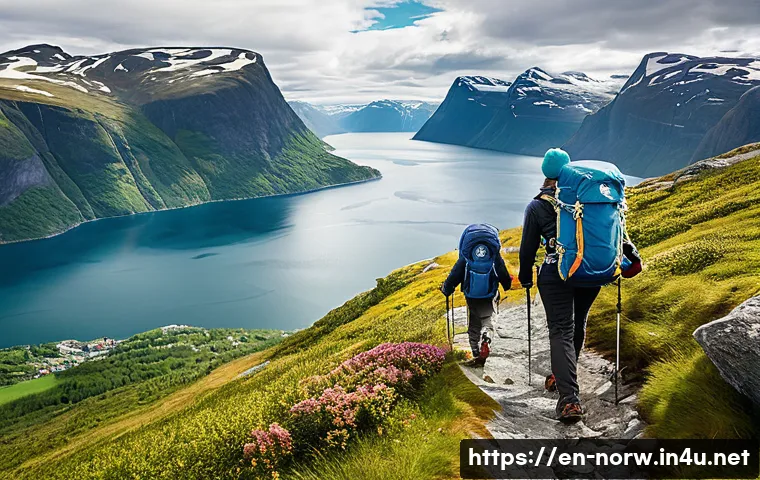
Take advantage of Norway’s stunning natural beauty by exploring free activities like hiking, cycling, and visiting parks. Many museums offer free admission on certain days or evenings.
And don’t forget to check out local events and festivals, which are often free to attend.
Essential Apps and Websites
Having the right apps and websites at your fingertips can make your travel experience much smoother.
Useful Apps
* Entur: Plan your journeys using public transportation. * Yr: Check the weather forecast. * Maps.me: Download offline maps for navigation.
Important Websites
* Visitnorway.com: Get information on attractions, activities, and accommodation. * Norwegian National Rail: Book train tickets. * Fjord Norway: Discover the fjord region.
Summary of Key Airport Information
Here’s a summary of key airport information to help you plan your trip:
| Airport | IATA Code | Description | Transportation to City Center |
|---|---|---|---|
| Oslo Airport (Gardermoen) | OSL | Main international hub | Flytoget airport express train, Flybussen airport bus, taxi, rental car |
| Bergen Airport (Flesland) | BGO | Gateway to the fjords | Airport bus, taxi, rental car |
| Stavanger Airport (Sola) | SVG | Serving the oil region | Airport bus, taxi, rental car |
| Trondheim Airport (Værnes) | TRD | Central Norway’s airport | Train, airport bus, taxi, rental car |
By keeping these insights in mind, you’re setting yourself up for a smoother, more enjoyable exploration of Norway’s airports, flights, and breathtaking landscapes.
Safe travels!
글을마치며
Wow, what an adventure we’ve charted out today for anyone dreaming of Norway! It truly is a country that captures your heart with its dramatic landscapes and vibrant cities. I’ve poured my own travel tales and practical tips into this guide, hoping to make your journey not just possible, but incredibly smooth and memorable. Remember, the best trips are often those where you feel prepared and excited, ready to embrace whatever comes your way. So go on, start planning that Norwegian getaway; it’s an experience you’ll treasure forever, and I’m so excited for you to discover its magic!
알아두면 쓸모 있는 정보
1. Always keep an eye out for local events and festivals. Norway is rich in cultural happenings, from music festivals in the summer to traditional Christmas markets in the winter. Checking local tourist boards or websites like Visitnorway.com can reveal hidden gems and offer unique insights into Norwegian life, often for free or at a low cost. Participating in these events can truly deepen your travel experience and connect you with the local community in a way that typical sightseeing often doesn’t, making your trip truly unforgettable.
2. Embrace the efficiency of public transportation for exploring cities and towns. Cities like Oslo and Bergen boast excellent networks of buses, trams, and sometimes even ferries that are incredibly reliable. Investing in a city pass, like the Oslo Pass, often gives you unlimited travel and discounts on museums and attractions, which can save you a significant amount of money and hassle. It also offers a fantastic way to experience daily life, watching the world go by from a local perspective, rather than rushing between tourist spots in a taxi.
3. Learning a few basic Norwegian phrases can go a long way, even though most Norwegians speak excellent English. A simple “Takk” (thank you) or “Hei” (hello) can open doors and show respect for the local culture, often leading to warmer interactions with locals. It’s a small effort that yields big rewards in terms of connecting with people and truly feeling immersed in the place. Trust me, the smiles you’ll get in return are priceless, and it makes you feel less like a tourist and more like a welcome guest.
4. Staying connected with an e-SIM or a local SIM card is incredibly convenient for navigation, checking weather, and keeping in touch. While Wi-Fi is widely available, having mobile data on the go is a lifesaver, especially when you’re exploring remote areas or need to quickly look up bus schedules. I’ve found that picking up a pre-paid SIM at the airport upon arrival or setting up an e-SIM before you even leave home eliminates a lot of potential stress, ensuring you’re always just a tap away from essential information.
5. Never underestimate the importance of travel insurance, especially when embarking on adventures in a country like Norway. From unexpected flight delays and lost luggage to potential medical emergencies while hiking in the fjords, comprehensive travel insurance can provide peace of mind and protect your investment. I always make sure mine covers adventure sports if I plan on doing anything strenuous. It’s one of those things you hope you never need, but you’re incredibly grateful for it if you do. Don’t leave home without it!
중요 사항 정리
To truly unlock seamless adventures in Norway, the planning phase is paramount. Remember that your journey begins the moment you consider your flight options, whether it’s an international arrival at Oslo Gardermoen or a domestic hop to Bergen. Booking in advance isn’t just a suggestion; it’s often the key to significant savings, especially during the popular summer and winter seasons. Furthermore, understanding the nuances of Norwegian weather means packing smart—think layers, waterproof gear, and sturdy footwear—to ensure comfort regardless of the forecast. I learned this the hard way on a particularly rainy fjord cruise, and believe me, being prepared makes all the difference.
Navigating Norway’s diverse landscapes is made easy with its excellent transportation network. Don’t shy away from efficient train services for scenic routes, budget-friendly buses for city transfers, or renting a car for ultimate flexibility, provided you’re comfortable with varied road conditions. Once you’re in a city, leverage public transport like buses and trams, and for the iconic fjord experiences, ferries are absolutely essential. Embracing these local options not only saves you money but also enriches your travel story with authentic experiences.
Finally, keeping your budget in check while enjoying Norway’s beauty requires a strategic approach. Explore accommodation alternatives like hostels or Airbnbs, and consider self-catering to manage meal costs, as dining out can quickly add up. Most importantly, immerse yourself in the abundant free activities—hiking, exploring parks, and simply soaking in the breathtaking natural scenery. Having the right apps and websites at your fingertips for planning and navigation will undoubtedly enhance your overall experience. With these insights, your Norwegian adventure won’t just be a trip; it’ll be an incredibly well-orchestrated memory in the making.
Frequently Asked Questions (FAQ) 📖
Q: What’s the best way to get from Norway’s main airports, like Oslo Gardermoen or Bergen Flesland, to the city center?
A: Oh, this is such a common question, and thankfully, Norway has some fantastic, efficient options! When I first landed at Oslo Gardermoen, I was a bit overwhelmed by choice, but I quickly learned the ropes.
For Oslo, my absolute top recommendation for budget-conscious travelers is the Vy Regional Train. It’s truly a hidden gem for saving a few kroner! It whisks you right to Oslo Central Station in about 23 minutes for around 114-129 NOK.
That’s nearly half the price of the express train, for only a few minutes more travel time – a no-brainer if you ask me! Plus, your ticket is valid for 2.5 hours on Oslo’s buses, trams, and metro, which is incredibly handy for connecting to your final destination.
You can grab tickets easily from machines at the airport or even on the Vy app. For those in a real hurry, the Flytoget Airport Express Train is super fast, clocking in at 19 minutes, but it does come with a steeper price tag of about 240 NOK.
If your hotel isn’t near the central station, a Flybussen airport bus might make more sense, even though it’s a bit slower and can cost between 170-250 NOK, as it has more stops.
Now, if you’re flying into Bergen Flesland, you’ve got equally great choices. I’ve found the Bergen Light Rail, or Bybanen Line 1, to be an absolute dream.
It’s incredibly scenic and, at around 40-50 NOK, it’s the cheapest way into the city center, taking about 45 minutes. Bonus: if you happen to have a Bergen Card, you can ride for free!
Kids often travel free on weekends with an adult too, which is a lovely touch for families. If you’re pressed for time, the Airport Bus (Flybussen) will get you to the city center in a quicker 20-30 minutes for about 129-169 NOK, especially if you buy your tickets online in advance.
Taxis are always an option for direct door-to-door service, but prepare for a fare in the range of 500-800 NOK for Bergen and around 900 NOK for Oslo.
Trust me, planning your airport transfer ahead makes such a difference for a smooth start to your Norwegian adventure!
Q: Are domestic flights in Norway a good option for travelers, considering the vastness of the country and potential costs?
A: Absolutely! When you look at Norway on a map, you quickly realize how incredibly long it is, stretching from the North Sea all the way up to the Arctic.
While the scenic train rides and coastal ferries are iconic, domestic flights are an absolute lifesaver for getting around efficiently, especially if you’re trying to see a lot in a shorter timeframe.
I’ve personally found them to be surprisingly accessible and a fantastic way to cover large distances without spending days on the road. Norway has an impressive network of over 50 airports, which means even some pretty remote towns and islands are well-connected.
Airlines like SAS, Norwegian Air Shuttle, and Widerøe operate frequent routes, with connections between major cities like Oslo, Bergen, and Trondheim being some of Europe’s busiest.
What’s really cool is that many regional flights, particularly in the northern parts of the country, are actually subsidized by the government. This means prices are kept within reasonable limits, making air travel a viable and often cost-effective alternative to long drives or multiple train changes.
I’ve often seen domestic flight deals that make hopping between cities incredibly convenient. While you might need to connect in a larger hub like Bergen or Tromsø if you’re heading to a smaller, more remote spot, the process is generally seamless.
My advice? Keep an eye on sales and book in advance, and you’ll often find flights that save you precious travel time and energy, letting you experience more of Norway’s incredible landscapes.
It definitely beats driving through some of those endless tunnels!
Q: Norway is known for its green initiatives; what should travelers know about its goal to make all short-haul flights electric by 2040?
A: Oh, this is one of the most exciting developments in Norwegian travel, and something I’m passionate about sharing! It truly shows Norway’s commitment to a greener future.
The country’s airport operator, Avinor, has set an incredibly ambitious goal: by 2040, they want all short-haul flights in Norway – that’s journeys up to about 1.5 hours – to be 100% electric.
Imagine that! What this means for us travelers, especially in the long run, is pretty amazing. You might not see fully electric planes on every route right now, but the transition is well underway.
Avinor is actually aiming to tender for the first commercial electric air route as early as 2025, possibly with smaller 19-passenger aircraft. So, it’s not just a distant dream; it’s actively being worked on!
Initially, we’ll likely see more hybrid aircraft, using biofuels and electric motors, as a stepping stone. From my perspective, this initiative brings so many positives.
First off, it’s a massive win for the environment, significantly cutting down on greenhouse gas emissions – they’re aiming for an 80% reduction by 2040 compared to 2020!
But beyond that, electric planes are expected to be much quieter and potentially cut operating costs by half. This could translate into more affordable domestic flights for us, which would be fantastic for exploring more of Norway without breaking the bank.
I personally can’t wait for the day when I can step onto a plane in Oslo knowing my short hop to Bergen or Trondheim is powered by clean, green electricity.
It’s a testament to Norway’s innovative spirit and a real game-changer for sustainable travel.