Hey, history lovers! Ever felt the thrilling pull of ancient conflicts that carved nations into being? Today, we’re exploring Norway’s incredible past, a land of breathtaking beauty and formidable battles.
From the fierce Viking sagas to its enduring fight for independence, Norway’s history is a dramatic tapestry of resilience and strategic might. I’ve personally been captivated by how its stunning landscapes witnessed such pivotal wars, shaping a unique national identity.
Ready to uncover the fascinating military heritage that defines this captivating country? Let’s dive deeper and find out exactly how!
Echoes of the Northmen: Forging a Nation Through Saga and Steel
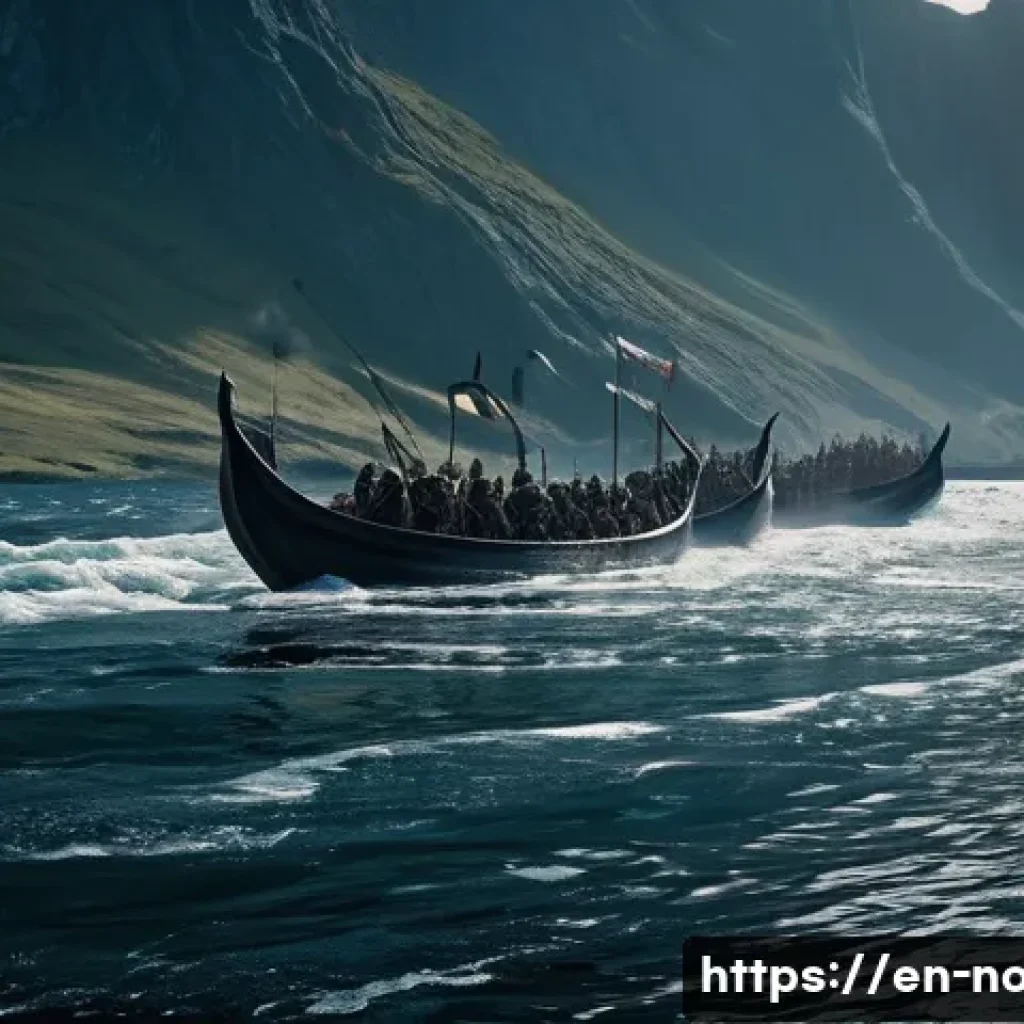
You know, there’s just something incredibly captivating about stepping back in time to the Viking Age, isn’t there? I’ve always felt this unique pull to those ancient warriors, especially when I think about how their sheer will and daring voyages truly laid the groundwork for nations like Norway. It wasn’t just about raiding, as some might think; it was a period of incredible formation, where powerful chieftains, often through fierce battles, began to knit together the disparate regions of this stunning land. Imagine the raw courage it took to sail into the unknown, to fight for dominance, and ultimately, to carve out a new identity. The sagas, while perhaps exaggerated at times, paint a vivid picture of these formative years, filled with dramatic clashes that echo even in today’s modern Norway. It’s a reminder that even in its earliest days, this nation was forged in fire and ice, a truly formidable heritage.
The Dawn of a Kingdom: Unification Through Conflict
It’s fascinating to consider how Norway, a land of deep fjords and rugged mountains, was once a patchwork of small kingdoms. The idea of a unified Norway wasn’t a given, but rather the result of some pretty epic showdowns. The Battle of Hafrsfjord, for instance, often dated to around 872, is one of those legendary moments that feels like it could be straight out of a movie. King Harald Fairhair, with his ambition and formidable fleet, reportedly achieved a decisive victory there, essentially consolidating much of Western Norway under his rule. This wasn’t just a skirmish; it was a pivotal event that signaled a massive shift in power, moving from fragmented tribal loyalties to something resembling a centralized kingdom. The stories of those early kings, battling rivals like Eric Bloodaxe and Olaf Tryggvason, are filled with strategic brilliance and raw, often brutal, determination. Personally, I get chills thinking about the sheer audacity of these leaders, whose actions literally sculpted the map of a new nation. It’s truly a testament to their enduring legacy, impacting everything that came after.
Beyond the Raids: Viking Influence and Lasting Footprints
When we talk about Vikings, our minds often jump straight to images of longships and fierce warriors, and rightly so! But their impact on Norway’s military heritage, and indeed on Europe, was so much more nuanced. Take the Battle of Stiklestad in 1030, a moment that wasn’t just a military defeat for King Olaf II (later Saint Olav), but a profound turning point in Norway’s spiritual and national identity. His martyrdom, even in a losing battle, galvanized the adoption of Christianity and strengthened the kingdom’s foundations. Then there’s the Battle of Stamford Bridge in 1066, often cited as the end of the Viking Age. King Harald Hardrada’s audacious attempt to claim the English throne ended in tragedy for the Norwegians, but it symbolized the grand scale of Viking ambition. These weren’t just isolated events; they were threads in a vast tapestry of exploration, trade, and even settlement that stretched from North America to the Byzantine Empire. The tactical innovations, the seafaring prowess, and the sheer resilience demonstrated by these Norsemen left an indelible mark, shaping not just battlefields but entire cultures. It’s truly inspiring to see how their spirit of adventure continues to resonate in Norway today, influencing everything from their maritime traditions to their modern-day pursuit of exploration.
Shackles and Swords: Navigating Union and Securing Borders
It’s easy to look back at history with rose-tinted glasses, but let me tell you, Norway’s journey through various unions was anything but simple! Imagine being a proud nation, rich in history and fierce independence, only to find your destiny tied to others for centuries. It’s a bit like being in a really long, complicated family drama, isn’t it? The Kalmar Union, bringing together Denmark, Sweden, and Norway, initially seemed like a grand idea in 1397. Yet, as I’ve dug into the details, it quickly became clear that Norway often drew the short straw, especially under Danish dominance. These weren’t peaceful partnerships; they were fraught with internal conflicts and external wars, constantly testing Norway’s resilience and forcing its people to fight not just for the union’s interests, but often for their own distinct identity and survival. The sheer determination required to maintain a sense of nationhood through these periods of shifting allegiances and power plays is truly remarkable.
The Kalmar Union’s Tumult: A Struggle for Identity
The Kalmar Union, despite its promise of Scandinavian unity, was often a hotbed of contention, particularly for Norway. While Denmark often held the reins, Norwegian interests frequently took a backseat. This created a fertile ground for internal dissent and external conflicts, as the union states, especially Sweden, periodically challenged Danish hegemony. Conflicts like the Engelbrekt Rebellion in the 1430s, sparked by unpopular taxation, showcased how deeply these tensions ran, eventually leading to King Erik of Pomerania’s deposition from all three thrones. It’s almost heartbreaking to think of Norway, with its proud Viking heritage, becoming a junior partner, often dragged into conflicts that served others’ ambitions more than its own. The sheer political maneuvering and military engagements during this era, including the various “Union Wars,” were less about grand invasions and more about constant, grinding struggles for control and influence. This wasn’t a time of clear-cut victories but of enduring a prolonged fight to simply exist as a recognized entity within a larger, often oppressive, structure.
Clashes with the Crown: The Danish-Norwegian Legacy
Even after the formal dissolution of the Kalmar Union for Sweden, Norway remained bound to Denmark for centuries, forming the Dano-Norwegian Union. This period, from the 16th to the early 19th century, was characterized by ongoing rivalries and direct military conflicts with Sweden. If you’ve ever felt stuck between two stubborn siblings, you might get a sense of what it was like! The 17th century alone saw no fewer than four major conflicts between Denmark-Norway and Sweden, including the Kalmar War (1611–1613) and the subsequent Northern Wars. These were brutal territorial disputes, with Sweden often aiming to expand its reach and Denmark-Norway fighting to protect its borders, especially along the strategically vital Norwegian coast. The Swedish kings repeatedly tried to claim Norwegian territories, and while they succeeded in some areas, shifting borders and constant warfare ensured that Norway’s military, even if often subordinate to Danish command, was continually engaged. It’s a stark reminder of how geography and power politics can relentlessly shape a nation’s military reality, forcing them to always be on guard, even within a seemingly stable union.
The Long Road to Independence: Forging a Modern Nation
Talk about a rollercoaster of emotions! Norway’s path to modern independence in the 19th century is nothing short of incredible, a true testament to the spirit of its people. I mean, after centuries of being part of unions, you’d think they might just accept their fate, right? But no, not the Norwegians! This era is filled with dramatic twists and turns, from being tossed between European powers like a political football to defiantly drafting their own constitution against all odds. It’s a story that, to me, perfectly encapsulates the idea that true nationhood isn’t just about borders or rulers; it’s about a collective will and a deep-seated desire for self-determination. I’ve personally found this period to be one of the most inspiring chapters in Norway’s history, showcasing how resilience and an unwavering commitment to national identity can overcome seemingly insurmountable challenges. It’s a powerful lesson in the enduring human quest for freedom.
1814: A Year of Defiance and Constitution
Imagine this: Napoleon’s defeated, Europe is redrawing maps, and Norway is essentially handed over from Denmark to Sweden by the Treaty of Kiel in January 1814. Talk about a raw deal! But here’s where the story gets really good. The Norwegians, instead of just accepting it, said a resounding “no!” Prince Christian Frederick, the Danish regent, galvanized the nation, and an assembly was called at Eidsvoll. In a matter of weeks, they drafted one of the most liberal constitutions of its time, on May 17, 1814, and even elected Christian Frederick as their king. It’s a moment of incredible defiance, a bold declaration of sovereignty in the face of overwhelming odds. Though their newly declared independence led to a brief but ultimately losing war with Sweden later that summer, the sheer act of establishing their own constitution became a cornerstone of their national identity. This wasn’t just a document; it was a promise, a symbol that Norway, even in union, was a distinct and self-governing entity. That kind of spirit, the refusal to simply be a bargaining chip, really resonates with me.
The Peaceful Parting: Dissolving the Swedish Union
Despite the initial military setback in 1814, Norway’s defiance in drafting its constitution paid off in the long run. When they entered a union with Sweden, it wasn’t as a conquered territory, but as a state with its own constitution and parliament. This was a significant achievement, preserving a high degree of autonomy within the personal union. For nearly a century, Norway worked to assert its independence within this framework, developing its own culture and political institutions. It’s a fascinating example of a “cold war” of sorts, not with weapons, but with diplomatic and political maneuvering. The eventual dissolution of the union in 1905 was a truly remarkable event because, unlike so many historical separations, it was achieved peacefully. Through referendums and negotiations, the Norwegian people definitively voted for complete independence, and Sweden, recognizing the popular will, accepted it. I find this moment incredibly powerful – a testament to the strength of democratic ideals and the quiet determination of a nation to finally stand entirely on its own. It shows that sometimes, the most impactful victories aren’t won on the battlefield, but in the hearts and minds of the people.
Global Storms: Norway’s Stand in World Conflicts
Stepping into the 20th century, Norway, a nation that had fought so hard for its independence and cherished neutrality, found itself caught in the brutal currents of two world wars. It’s a stark reminder that even the most peaceful nations can’t always escape global conflict. Thinking about this period, I can’t help but feel immense respect for the Norwegian people. They declared neutrality in both World War I and World War II, but the strategic importance of their coastline and their vital merchant fleet meant they were inevitably drawn in. It’s a challenging position to be in, isn’t it? Wanting peace, but being forced to fight for survival. I’ve read so many accounts of the incredible bravery and resilience shown during these times, from sailors braving U-boat attacks to resistance fighters operating in the shadows. It really drives home the fact that even when the chips are down, the spirit of a nation can shine through, proving that their commitment to freedom was worth fighting for, no matter the cost.
Neutrality Tested: The Great War’s Shadow
Even though Norway officially maintained neutrality during World War I (1914-1918), the conflict’s tentacles still reached its shores in devastating ways. My heart goes out to the thousands of Norwegian sailors—over 3,500 of them—who tragically lost their lives due to German U-boat attacks, a staggering number for a neutral country. It really brings home the human cost of global conflict, even when you’re trying to stay out of it. Their merchant fleet was absolutely crucial, not just for Norway’s economy but also for supplying the Allied powers, and this made them a target. I can only imagine the fear and uncertainty families must have felt every time a loved one set sail, knowing the perils of the seas. Despite this immense suffering and a clear sympathy for the British cause, Norway’s government steadfastly clung to its neutrality. This period wasn’t about grand battles for Norway, but a quiet, enduring struggle to protect its people and its vital lifelines against the unseen threats lurking beneath the waves and the immense pressures of a world at war. It’s a poignant chapter, highlighting the difficult balance between national policy and the harsh realities of international conflict.
The Blitz and Resistance: Norway in World War II
April 9, 1940 – that date is seared into Norwegian history. The swift and brutal German invasion, despite Norway’s declared neutrality, was a shocking blow. I’ve read accounts of that day, and the sheer audacity of the attack, particularly the sinking of the German cruiser Blücher in the Oslo Fjord by the cannons of Oscarsborg Fortress, just hours into the invasion, truly highlights Norway’s immediate, fierce resistance. Although the initial military resistance was ultimately overwhelmed, leading to occupation, the spirit of defiance never died. King Haakon VII’s refusal to surrender became a powerful symbol of national will, leading the government-in-exile from London. What truly astounds me is the strength of the resistance movement, the “Home Front.” From industrial sabotage, like the critical heavy water raids at Rjukan, to providing intelligence and assisting Allied operations, ordinary Norwegians became extraordinary heroes. The “Little Norway” training camp in Canada, where Norwegian airmen prepared to fight, is another incredible example of how the fight continued globally. It wasn’t just about military might; it was about every single citizen playing a part, a collective stand against tyranny that makes me incredibly proud of their enduring legacy.
Cold War Vigil: Guardians of the Northern Flank
After the absolute devastation of World War II, Norway faced a monumental decision: return to neutrality or seek new alliances? It’s a choice many nations had to make, and honestly, who could blame them for being wary of standing alone again? The shadow of the Soviet Union loomed large, especially with their powerful military presence right on Norway’s border in the Kola Peninsula. This geopolitical reality fundamentally shifted Norway’s strategic thinking. When I think about it, their decision to become a founding member of NATO in 1949 wasn’t just a political move; it was a deeply personal commitment to collective security, a vow that they would never again be caught unprepared. It set the stage for decades of vigilance, transforming Norway into a critical “northern flank” for the Western alliance. The ongoing strategic dance during the Cold War, balancing deterrence with careful diplomacy, is a fascinating study in national security, showing how Norway navigated a perilous world with immense courage and foresight.
Joining Forces: NATO and the Nordic Balance
Norway’s entry into NATO in 1949 marked a profound departure from centuries of striving for neutrality. This wasn’t a light decision; it was born from the harsh lessons of World War II and the immediate post-war geopolitical realities. With the Soviet Union as a powerful neighbor, Norwegian authorities understood that self-defense alone simply wasn’t enough. What’s truly interesting is how Norway, along with Denmark, pursued a unique “Nordic balance” within NATO. While firmly allied, they chose not to allow permanent foreign military bases or nuclear weapons on their territory during peacetime, a delicate diplomatic maneuver designed to avoid unnecessarily provoking Moscow. This strategy, balancing strong alliances with self-imposed restrictions, showcases Norway’s pragmatic approach to national security. The nation became a crucial piece in NATO’s defensive puzzle, with an unprecedented build-up of its armed forces and significant support from the US and NATO for infrastructure and weaponry. It’s a powerful example of how a smaller nation, through shrewd diplomacy and strategic partnerships, can carve out a vital role on the global stage, safeguarding its sovereignty in a complex world.
Arctic Frontier: Defending the High North
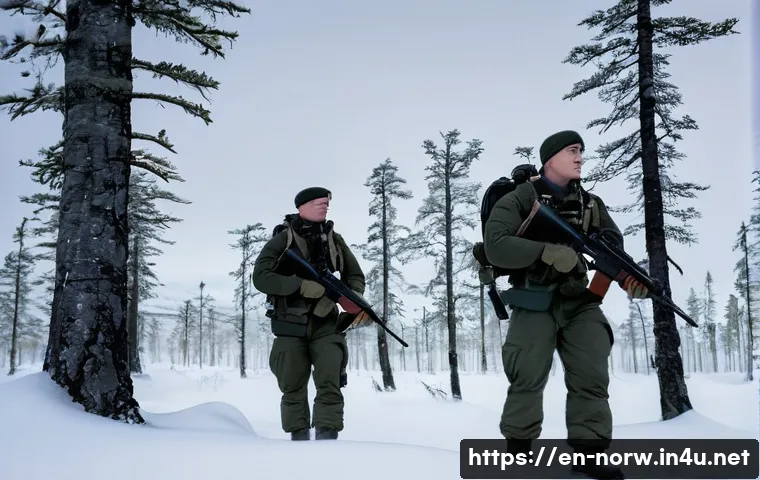
If you’ve ever looked at a map, you know just how strategically vital Norway’s northern regions are, especially during the Cold War. This area became, essentially, NATO’s frontline against the Soviet Union’s powerful Northern Fleet. I mean, talk about being in a hot spot! The defense of Northern Norway wasn’t just about protecting land; it was about controlling critical sea lanes and airspace, crucial for both defense and potential offensive operations in a wider conflict. NATO developed complex plans, envisioning rapid deployment of allied forces, including US Marine brigades and specialized units, to reinforce Norwegian defenses in case of an invasion. The harsh Arctic environment, with its extreme cold, long periods of darkness, and rugged terrain, presented unique challenges, demanding highly specialized training and equipment. I’ve always been fascinated by how these geographic realities so profoundly shaped military doctrine. It’s clear that Norway’s commitment to defending this vast, challenging frontier was, and remains, absolutely pivotal to broader European security, showcasing a level of dedication and adaptability that is truly impressive.
The Enduring Spirit: Lessons from Norway’s Military Journey
Looking back at Norway’s incredible military history, from the thunder of Viking longships to the silent vigilance of Cold War patrols, one thing truly stands out for me: the sheer resilience of the Norwegian people. It’s more than just a timeline of battles; it’s a living testament to an enduring spirit that has weathered centuries of conflict, union, and the relentless pursuit of independence. Every chapter, whether glorious or challenging, has contributed to a unique national character, one that values both fierce self-reliance and the strength of alliances. I’ve come to appreciate that Norway’s story isn’t just about how it fought wars, but how those wars, and the periods between them, forged a nation capable of adapting, enduring, and ultimately, thriving. It’s a powerful narrative that continues to evolve, reminding us that true strength often lies in unwavering resolve and the ability to learn from the past while looking firmly toward the future.
From Fjords to Forums: A Strategic Evolution
The evolution of Norway’s military strategy is a captivating journey, reflecting both its unique geography and its changing position in the world. Historically, those deep fjords and rugged mountains presented both formidable defenses and immense logistical challenges. Early on, control of the seas and coastal areas was paramount, and the navy played an outsized role, from Viking longships dominating the northern seas to Peter Tordenskjold’s legendary naval exploits during the Great Northern War. But after experiencing occupation in World War II and facing the Cold War threat, Norway realized that a purely local defense wouldn’t suffice. The strategic culture shifted, embracing collective security through NATO while still emphasizing a “total defense” concept, where civilian society is integrated into national preparedness. I’ve found it fascinating how they’ve adapted, transitioning from a focus primarily on invasion defense to also contributing to international operations and peacekeeping. It’s a sophisticated balance that showcases a profound understanding of their own strengths and vulnerabilities, proving that strategic evolution is key to long-term security.
A Small Nation, a Global Player: Modern Defense
Today, Norway continues to punch above its weight in the global security arena, proving that a smaller nation can be a profoundly influential player. The Arctic, in particular, has become a renewed focus, with Norway’s unique position making it vital to understanding and managing regional security. With recent geopolitical shifts, including Sweden and Finland joining NATO, the entire Nordic military geography has changed, placing new responsibilities and opportunities on Norway to help project Allied power eastward. They’re not just passively defending; they’re actively shaping the future of Arctic security. From acquiring new submarines and anti-submarine warfare frigates to developing advanced intelligence-gathering capabilities, Norway is investing heavily in modernizing its forces. This dedication isn’t just about national defense; it’s about contributing to the wider deterrence posture of NATO and ensuring stability in a rapidly changing world. Witnessing their ongoing commitment, I truly feel that Norway’s military heritage, forged in ancient sagas and refined by modern challenges, continues to inspire and offers valuable lessons for all of us.
| Era | Key Military Event(s) | Significance for Norway |
|---|---|---|
| Viking Age (c. 793-1066) | Battle of Hafrsfjord (unification), Battle of Stiklestad (Christianization), Battle of Stamford Bridge (end of Viking expansion) | Formation of a unified kingdom, establishment of national identity, and Christianization. Laid groundwork for maritime power. |
| Kalmar Union (1397-1523) & Dano-Norwegian Union (1523-1814) | Union Wars (with Sweden), Dano-Swedish Wars (e.g., Kalmar War) | Loss of political autonomy, becoming a junior partner. Frequent border conflicts with Sweden solidified national borders over centuries. |
| Napoleonic Wars & 1814 | Treaty of Kiel, Eidsvoll Constitution, Swedish-Norwegian War | Forced cession to Sweden, but defiant creation of a liberal constitution. Established constitutional monarchy within union. |
| World War I (1914-1918) | Neutrality, but significant merchant shipping losses to U-boats. | Demonstrated vulnerability despite neutrality; reinforced maritime importance and sympathy for Allied cause. |
| World War II (1940-1945) | German invasion, Battle of Narvik, resistance movement, government-in-exile | Loss of neutrality, brutal occupation. Sparked strong national resistance and confirmed need for international alliances. |
| Cold War (1949-1991) | Founding NATO member, “Northern Flank” defense, “Nordic balance” policy. | Ended neutrality, established collective security. Critical strategic role in deterring Soviet expansion. |
Wrapping Things Up
Whew! What an incredible journey we’ve taken through Norway’s military past, hasn’t it been? From the legendary sagas of the Vikings who first forged a nation out of sheer grit and daring, all the way to its pivotal role as a guardian of the High North in today’s complex world, it’s a story that truly makes you feel something. What I’ve really taken away from diving into this history is just how deeply resilience, an unshakeable sense of identity, and the wisdom to form strategic alliances have shaped this remarkable country. It’s a powerful reminder that even in the face of daunting challenges, the spirit of a nation can not only endure but thrive, constantly evolving while holding fast to its core values. I genuinely hope you’ve found this as inspiring as I have!
Useful Tidbits to Keep in Mind
1. Norway’s “Total Defense” Concept is Truly Unique: This isn’t just about military might; it’s a comprehensive national security strategy where civilian society plays an integral role. Every citizen, every resource, is considered part of the defense effort, fostering a deep sense of collective responsibility that you just don’t see everywhere. It’s a fascinating blend of preparedness and community spirit.
2. May 17th isn’t just a holiday; it’s the Heart of Norwegian Identity: Syttende Mai, their Constitution Day, is perhaps the most joyous national celebration you’ll ever witness, brimming with parades, traditional costumes, and ice cream! It commemorates the signing of their constitution in 1814, a defiant act against being handed over to Sweden, and it beautifully embodies their enduring fight for self-determination. It’s a truly vibrant expression of their national pride.
3. The Arctic is Norway’s Strategic Backyard (and NATO’s Frontline): Given recent geopolitical shifts, understanding Norway’s role in the Arctic is more crucial than ever. Their expertise in cold-weather operations and their strategic location make them an indispensable partner in maintaining stability in this increasingly important region. It’s a prime example of how geography truly dictates destiny, and how they’ve stepped up to that responsibility.
4. Beyond the Battlefield: Norway’s Global Contributions: While we’ve focused on military history, don’t forget Norway’s significant contributions to international peacekeeping and humanitarian efforts. They often lead by example in diplomacy, conflict resolution, and providing aid, demonstrating that their strength isn’t just in defense but also in fostering a more peaceful world. It’s truly inspiring to see a nation that balances strong security with a profound commitment to global citizenship.
5. Viking Spirit Lives On, Not Just in History Books: You might think the Viking Age is ancient history, but its legacy is undeniably woven into modern Norwegian culture. From their exceptional maritime industry and innovation to their spirit of exploration and independence, you can feel echoes of those adventurous ancestors even today. It’s a powerful connection to the past that shapes who they are in the present, a heritage of daring and resilience.
Key Takeaways
Reflecting on Norway’s extensive military journey, several core themes consistently emerge. Firstly, their unwavering pursuit of national independence, often against overwhelming odds, is a testament to their enduring spirit and a deeply held sense of identity. Secondly, the nation’s strategic evolution, moving from self-reliant Viking dominance to carefully chosen alliances like NATO, underscores a pragmatic adaptability crucial for survival and security in a volatile world. Lastly, Norway’s unique geographical position, particularly in the Arctic, has consistently shaped its defense posture, transforming it into a vital northern flank for Western security. This remarkable history is a story of continuous learning, resilience, and the profound impact of both individual bravery and collective determination in forging and safeguarding a nation.
Frequently Asked Questions (FAQ) 📖
Q: How did the legendary Viking
A: ge influence Norway’s foundational military identity? A1: Oh, where do I even begin with the Vikings? It’s impossible to talk about Norway’s military heritage without diving headfirst into this incredible era!
From what I’ve learned, those fierce Norsemen weren’t just raiders; they were innovators who truly carved out a distinct military identity for Norway, long before it was even a unified kingdom.
I mean, their longships alone were a game-changer. These incredible vessels, with their shallow drafts, allowed them to cross vast oceans and then, get this, sail deep into rivers, appearing out of nowhere!
Think about the sheer terror and tactical advantage that gave them against unprepared towns and monasteries. They were masters of surprise, hit-and-run tactics, but don’t let that fool you into thinking they couldn’t stand their ground.
When it came to land battles, their famous “shield wall” was a formidable, almost impenetrable defensive barrier, and they even had specialized “berserkers” who fought with such ferocity, they were practically shock troops designed to break enemy lines.
The very first semblance of a national defense, the “leidangen,” actually emerged in the 10th century to protect Norway’s coasts, a direct response to, and evolution of, these Viking maritime traditions.
It’s fascinating how those early sea-faring warriors laid the groundwork for Norway’s enduring spirit of defense!
Q: Beyond the Vikings, what were some of the pivotal wars and struggles that forged Norway’s path to independence?
A: While the Viking Age is undeniably exciting, Norway’s journey to true independence is a gripping saga in itself, filled with centuries of determination!
After those legendary Viking exploits, Norway entered a long period of unions. First, the intense civil wars from the 12th to 13th centuries were a brutal, albeit crucial, period of internal struggle that ultimately helped forge a stronger, more unified monarchy.
Then came the Kalmar Union in 1397, linking Norway with Denmark and Sweden. Sweden eventually broke away, but Norway remained firmly under Danish rule for a really long time – over 400 years!
It wasn’t until the chaos of the Napoleonic Wars in the early 19th century that things really started to shift. Denmark-Norway sided with France, and the British naval blockade caused immense hardship for Norway, almost completely cutting it off from its Danish overlords.
This isolation actually sparked a burgeoning independence movement in Norway, leading to the adoption of its own constitution in 1814. Talk about a defiant act!
Although they were swiftly forced into a personal union with Sweden that same year, that constitution became the bedrock of modern Norwegian political life.
It preserved a significant degree of autonomy, setting the stage for their eventual, peaceful, and truly inspiring full independence from Sweden in 1905.
It just goes to show, resilience isn’t always about brute force; sometimes it’s about holding onto your principles for centuries!
Q: How has Norway’s stunning and rugged geography played a direct role in shaping its military strategies and national resilience?
A: If you’ve ever seen photos of Norway, you know its landscapes are absolutely breathtaking – but they’re also a military strategist’s dream, or nightmare, depending on which side you’re on!
I’ve always been amazed by how intimately intertwined Norway’s geography is with its military history. With those incredibly deep fjords and a coastline stretching over 12,000 miles, Norway is, hands down, the most coastal country in Europe.
This means naval power has always been paramount, from the Viking longships mastering the seas to modern-day coastal defenses. Just think about the sheer challenge of invading such a fragmented, mountainous terrain.
It naturally favors defenders who know the land and can leverage its natural chokepoints and hidden coves. We saw this vividly during World War II when Norway’s strategic position made it a target for Germany.
The sheer audacity of the Norwegian resistance, like sinking the German cruiser Blücher in the narrow Oslo Fjord, really highlights how the landscape can turn into a powerful ally.
Even today, Norway’s military planning heavily relies on its “Total Defence” concept, where civilian society and armed forces work together to maximize resilience.
And let me tell you, when you consider their specialized military training for extreme Arctic survival in places like Northern Norway, it’s clear this country’s stunning, yet harsh, environment continues to mold a profoundly adaptable and resilient military spirit.
It’s not just a beautiful country; it’s a naturally fortified one!