Hey fellow wanderlusters! Ever imagined trading the mundane for the magnificent? I recently swapped my daily grind for an incredible adventure cycling through Norway, and honestly, it was pure magic.
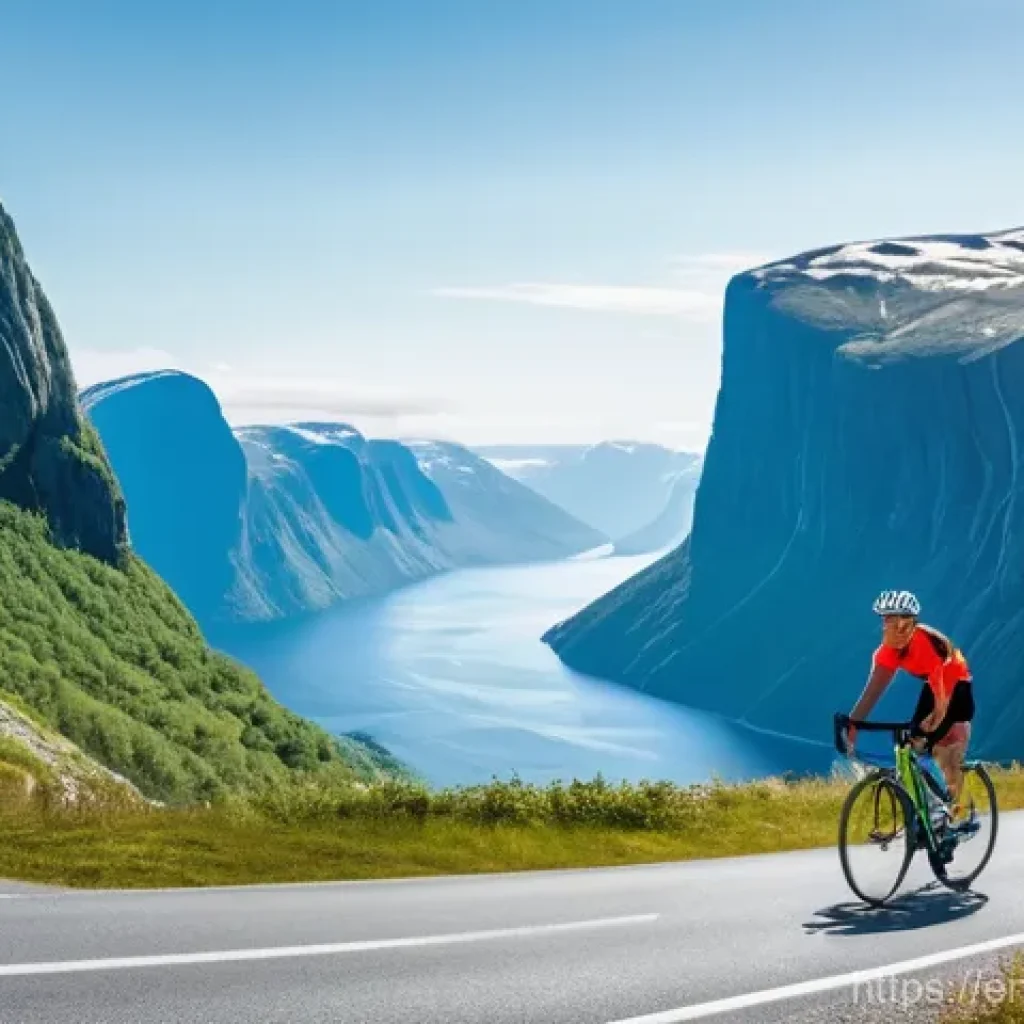
Picture this: soaring fjords, charming villages, and crisp, clean air filling your lungs with every pedal stroke. It’s an experience that truly connects you with nature on a soul-deep level, leaving you utterly breathless in the best possible way.
If you’re ready for an unforgettable journey that combines epic scenery with genuine exhilaration, then you’re in the right place. Let’s dive in and explore exactly how you can make your Norwegian cycling dream a reality!
The Unbeatable Call of Norway’s Cycling Trails
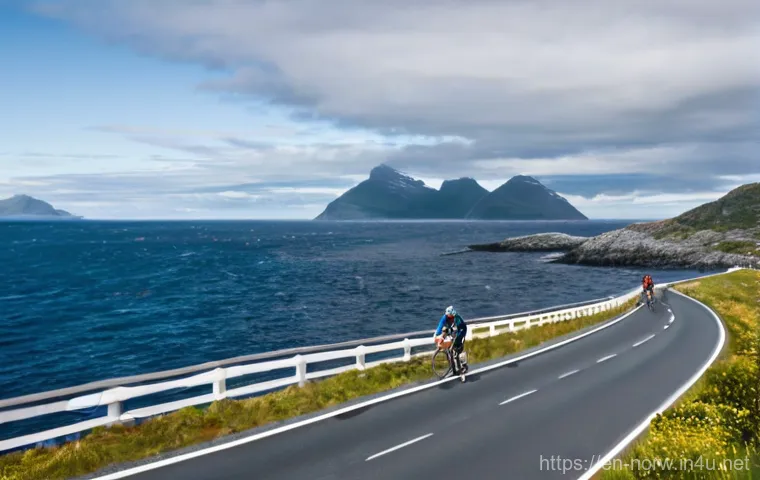
Oh, Norway! Just the name itself conjures up images of dramatic landscapes, isn’t it? But trust me, experiencing it from the saddle of a bicycle is an entirely different beast – in the most incredible way possible. I’ve pedaled through countless countries, felt the thrill of diverse terrains, and savored the unique cultures each journey offers. Yet, Norway stands out, etched deep into my memory as a place where nature doesn’t just exist; it *performs*. The sheer scale of the fjords, the towering mountains reaching for the sky, and the endless expanse of pristine nature just makes your heart swell. It’s a land where every bend in the road reveals a postcard-perfect vista, compelling you to stop, breathe deep, and just *be*. What truly elevates a cycling trip here beyond a mere physical challenge is the profound sense of connection you feel to the earth, the quiet hum of the wilderness, and the feeling of accomplishment as you conquer another breathtaking ascent. I still remember one afternoon, cycling along the Lysefjord, feeling the cool spray from a waterfall on my face, and thinking, “This is it. This is what living feels like.” It’s not just a ride; it’s an immersion into a world of raw, untamed beauty. The air itself feels crisper, cleaner, invigorating every cell in your body. If you’re looking for an adventure that will challenge your body and nourish your soul, then Norway’s cycling trails are calling your name, loud and clear. It’s an adventure that promises not just stunning views but also a profound sense of peace and exhilaration that’s hard to find anywhere else on Earth.
Beyond the Postcard: Why Norway Seduced My Wheels
When I first started dreaming about Norway, it was all about the iconic images – Geirangerfjord, Trolltunga, Lofoten. And yes, those are absolutely jaw-dropping. But what truly makes Norway a cyclist’s paradise, something you only discover once you’re there, is the quality of the infrastructure for bikers. I’ve ridden in places where bike lanes are an afterthought, or roads are downright dangerous. Not here. Norway truly respects cyclists. The signage is excellent, often pointing out dedicated cycling routes that take you away from heavy traffic and into the heart of the scenic countryside. I found myself on incredibly well-maintained paths, sometimes alongside quiet country roads, sometimes on dedicated trails winding through forests or along the coast. It’s this meticulous planning that allows you to focus less on navigation and more on soaking in the breathtaking surroundings. The feeling of safety and thoughtful design really enhances the entire experience, letting you truly relax into the ride and enjoy the journey without constant worry. This attention to detail isn’t something you’ll necessarily read about in a travel guide, but it’s a game-changer when you’re spending days, or even weeks, on two wheels.
Connecting with Nature on a Deeper Level
One of the most profound aspects of cycling through Norway, for me, was the incredible solitude and the deep connection it fostered with nature. There were moments, especially on some of the more remote mountain passes, where I wouldn’t see another soul for hours. Just me, my bike, the whispering wind, and the majestic landscape stretching out endlessly. It’s in these moments of quiet communion that you truly understand the scale and power of the natural world. I remember one particularly challenging climb, where the only sounds were my own breathing and the crunch of gravel under my tires. Reaching the summit, I was met with an almost spiritual silence, broken only by the distant call of a bird. The views were unbelievable, of course, but it was the profound sense of peace and isolation, coupled with the physical effort, that created an almost meditative state. It strips away all the noise and distractions of modern life, leaving you with a raw, unfiltered experience of the world and your place within it. This isn’t just about sightseeing; it’s about feeling the pulse of the planet and becoming part of its rhythm, even if just for a fleeting moment.
Crafting Your Route: Navigating Norway’s Cycling Tapestry
Ah, the joy of planning! For me, half the adventure begins with pouring over maps, reading blogs, and dreaming up routes. Norway offers such a diverse canvas for cyclists, from challenging mountain climbs to serene coastal paths, that designing your itinerary can feel like creating a masterpiece. My advice? Don’t try to see absolutely everything in one go. Norway is a country best savored slowly, allowing yourself time to truly absorb the beauty and perhaps even get delightfully lost. When I planned my own trip, I started by identifying a few key regions that called to me – the dramatic Lofoten Islands, the iconic fjords of Western Norway, and the quieter, rolling landscapes inland. Instead of rushing between them, I focused on deep dives into each area, allowing for spontaneous detours and leisurely explorations. Consider what kind of experience you’re after: hardcore climbs with epic descents, gentle coastal rides, or a mix of both. Factor in your fitness level, the amount of time you have, and crucially, the season. Summer offers longer daylight hours and generally warmer weather, but also more tourists. Spring and autumn can be breathtaking with fewer crowds, but you might encounter more variable weather. Trust me, a well-thought-out route makes all the difference between a good trip and an absolutely phenomenal one.
Iconic Routes That Will Steal Your Breath (and Maybe Your Calves!)
Let’s talk routes! Norway is blessed with a plethora of cycling options, each with its own unique charm and challenges. For those seeking true postcard views and don’t mind a few challenging ascents, the classic “Fjord Norway” routes are a must. Think of the scenic National Tourist Routes like the Geiranger–Trollstigen, with its infamous hairpin bends and jaw-dropping vistas, or the Atlantic Road, where you literally cycle over bridges connecting tiny islands. I still vividly recall the exhilaration of descending Trollstigen, feeling the wind in my hair, with waterfalls cascading down around me – an experience that felt almost cinematic. If you’re into island hopping and dramatic coastlines, the Lofoten Islands offer a more undulating terrain with quaint fishing villages and stunning beaches. For something a little less intense but equally beautiful, consider the Rallarvegen, an old navvy road that follows the Bergen Railway, taking you through mountainous landscapes and tunnels. Each of these routes offers a completely different flavor of Norwegian beauty, ensuring there’s something for every kind of cyclist, whether you’re a seasoned pro or a leisurely explorer.
Logistics and Navigation: Staying on Track (and Not Getting Lost)
Navigating a foreign country by bike can seem daunting, but Norway makes it surprisingly easy. I highly recommend investing in a good GPS device or using reliable cycling apps like Komoot or Ride with GPS. Pre-downloading maps is an absolute lifesaver, especially in areas with spotty cell service (and trust me, there will be some!). Physical maps are also a great backup, just in case your tech decides to take a fjord-side nap. Another invaluable tip: look for the national cycling routes, often marked with red and white signs and a bicycle symbol. These routes are generally well-maintained and designed with cyclists in mind, often offering a safer and more scenic alternative to main roads. When I was out there, I found that locals were incredibly helpful if I ever looked a bit lost – a quick “Unnskyld, kan du hjelpe meg?” (Excuse me, can you help me?) usually did the trick, even if we had to resort to pointing and gesturing! Don’t underestimate the power of a friendly smile and a willingness to ask for directions; it can lead to some unexpected and delightful interactions.
Arming Yourself for the Ascent: Essential Gear for Norwegian Cycling
Listen, folks, Norway isn’t your average Sunday park ride. The weather can be fickle, the climbs can be relentless, and the descents exhilaratingly fast. That’s why your gear isn’t just a suggestion; it’s your lifeline to a comfortable and safe adventure. I learned this the hard way on my very first multi-day tour, when an unexpected downpour turned my “water-resistant” jacket into a sponge. Never again! The right equipment truly makes or breaks the experience. Think layers, truly waterproof outer shells, and a bike that’s up to the task. My go-to is always a robust touring bike, or a sturdy gravel bike, as they handle varied surfaces better than a pure road bike. You’ll encounter everything from smooth asphalt to packed gravel, and a resilient steed will save you a lot of headaches (and sore bottoms!). Don’t skimp on maintenance before you leave either; a full tune-up and fresh tires are non-negotiable. Remember, you’re often quite remote, and the nearest bike shop might be a significant ride away. So, pack smart, pack light, and pack robust. It’s all about being prepared for whatever majestic surprise Norway decides to throw your way.
The Right Bike for the Nordic Wilderness
Choosing the right bicycle for your Norwegian adventure is paramount. While a sleek road bike might seem tempting for the smooth stretches of pavement, I personally found that a touring bike or a sturdy gravel bike offered the perfect blend of comfort, durability, and versatility. You’ll want something with a good range of gears to tackle those challenging uphill climbs – trust me, your knees will thank you. Disc brakes are also a huge plus, offering superior stopping power in wet conditions and on steep descents, which you’ll encounter often. My gravel bike, with its wider tires (think 32mm to 40mm) and ability to handle both paved roads and light gravel paths, felt like the ideal companion. It absorbed the bumps better than a road bike and was nimble enough for technical sections. Don’t forget racks and panniers for carrying your gear! Investing in high-quality, waterproof panniers is non-negotiable. I use Ortlieb bags, and they’ve never let me down, keeping my clothes and electronics bone-dry even through the most torrential downpours. A well-fitted bike is also key to preventing discomfort and injury, so make sure your saddle and handlebar positions are dialed in before you embark on your journey.
Layer Up: Conquering Norway’s Temperamental Weather
Norway’s weather can be famously unpredictable, often swinging from glorious sunshine to chilly rain in a matter of hours, even in summer. This is why a strategic layering system is absolutely critical. Forget about packing a single heavy jacket; think multiple thin layers that you can easily add or remove. I always start with a good quality base layer (merino wool is fantastic for temperature regulation and odor resistance), followed by a mid-layer for insulation (a fleece or lightweight puffy jacket works wonders). For your outer shell, a truly waterproof and windproof jacket and pants are non-negotiable. Look for Gore-Tex or similar high-performance materials. I vividly remember one morning, cycling in the Lofotens, when the sun was shining, only for a sudden squall to hit us an hour later. Being able to quickly pull on my rain gear meant I stayed comfortable and warm, rather than getting soaked and miserable. Don’t forget waterproof gloves and shoe covers too – cold, wet hands and feet can quickly dampen your spirits. And always, *always* pack a beanie or a buff for those chilly evenings or windy mountain passes.
Where to Recharge: Cozy Havens on Your Norwegian Cycling Tour
After a glorious day of pedaling through Norway’s breathtaking landscapes, nothing beats the feeling of finding a comfortable spot to rest your weary legs and recharge for the next day’s adventure. The accommodation options are as varied as the terrain itself, catering to all sorts of budgets and preferences. From quaint guesthouses nestled in charming villages to rustic cabins by the fjords, and even wild camping spots that truly connect you with nature, Norway has it all. My personal favorites were the small, family-run guesthouses, where I often got to chat with the owners and gain invaluable local insights – something you just don’t get from a big hotel chain. They often had delicious home-cooked meals too, which was a huge bonus after burning so many calories! Sometimes, after a particularly long day, the simple luxury of a hot shower and a warm, dry bed felt like absolute heaven. Planning your stops in advance, especially during peak season, is a wise move, but also leaving a little room for spontaneity can lead to some truly magical discoveries. Remember, your resting spot isn’t just a place to sleep; it’s part of the entire Norwegian experience.
From Quaint Guesthouses to Scenic Campsites
Norway offers a delightful array of places to stay, and as a cyclist, you’ll likely appreciate the variety. Guesthouses and small hotels are abundant in towns and villages, offering comfortable rooms, often with breakfast included. I found that booking these a day or two in advance, especially in popular areas like the fjords or Lofoten, was prudent. For those on a tighter budget or who crave a deeper connection with nature, campsites are a fantastic option. Many campsites in Norway are incredibly well-equipped, often with showers, cooking facilities, and even small shops. Some even offer little cabins (hytter) for rent, which can be a cozy upgrade from a tent, especially if the weather turns. Then there’s “allemannsretten” – Norway’s incredible right to roam, which allows for wild camping almost anywhere, as long as you’re respectful of private land and leave no trace. This was truly a highlight for me, pitching my tent by a serene lake or on a remote mountainside, waking up to views that money simply can’t buy. Just remember to be mindful of your impact and pack out everything you pack in.
Booking Savvy and Local Tips for Your Stay
Booking your accommodations strategically can really enhance your trip. Websites like Booking.com, Airbnb, and various Norwegian travel portals are excellent resources. However, don’t overlook the power of local tourist information centers – they often have up-to-date information on smaller, independent guesthouses or available cabins that might not be listed online. When budgeting, remember that accommodation prices can fluctuate significantly depending on the season and location. Cities and popular tourist spots will naturally be pricier. If you’re planning on camping, consider investing in a good quality, lightweight tent and sleeping bag designed for cooler temperatures, even in summer. I always carry a small stove and some dehydrated meals as a backup, especially when cycling through more remote areas where dining options might be scarce. Some guesthouses or campsites also offer laundry facilities, which is a huge blessing after several days on the road. And a little trick I learned: many smaller guesthouses might be willing to store your bike securely overnight, just ask politely!
Dollars and Kroner: Budgeting for Your Norwegian Cycling Epic
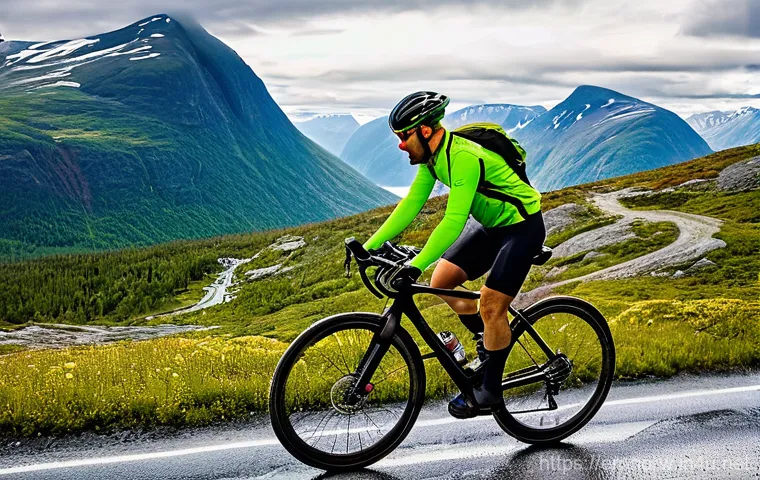
Let’s talk money, because while Norway offers unparalleled beauty, it’s no secret that it can be a bit pricier than some other European destinations. But don’t let that deter you! With smart planning and a few savvy tricks, you can absolutely make your Norwegian cycling dream a reality without breaking the bank. My philosophy is always to balance indulgence with practicality. Splurge on those unforgettable experiences, like a scenic ferry ride through a fjord or a delicious local meal, but find ways to save on the everyday essentials. I found that my biggest savings came from food and accommodation choices. If you’re willing to cook some of your own meals and embrace camping or simpler guesthouses, your budget will stretch much further. Remember, the true value of a Norwegian cycling trip isn’t measured in dollars or kroner, but in the priceless memories and experiences you gather along the way. It’s an investment in yourself and an adventure that will pay dividends in joy and stories for years to come.
Navigating Norwegian Prices: Where Your Money Goes
Understanding the cost landscape in Norway is key to effective budgeting. Accommodation, transportation (like ferries or trains if you need to bypass a section), and eating out are generally the biggest expenses. For example, a modest hotel room might set you back anywhere from 1000-2000 NOK (approximately $90-180 USD) per night, while a cabin at a campsite could be around 500-1000 NOK ($45-90 USD). To give you a clearer picture of what you might expect, I’ve put together a quick overview of some typical costs you’ll encounter on your cycling journey:
| Item | Estimated Cost (NOK) | Estimated Cost (USD) |
|---|---|---|
| Campsite (per night) | 200 – 400 | 18 – 36 |
| Hytte/Cabin (basic, per night) | 500 – 1000 | 45 – 90 |
| Grocery Shopping (per day, self-catering) | 150 – 250 | 13 – 22 |
| Restaurant Meal (mid-range) | 200 – 400 | 18 – 36 |
| Coffee (cafe) | 40 – 60 | 3.50 – 5.50 |
| Ferry Crossing (short ride with bike) | 50 – 150 | 4.50 – 13.50 |
Groceries, on the other hand, are comparable to or slightly higher than in many Western European countries. I always made it a point to hit up local supermarkets (like Rema 1000, Kiwi, or Coop) for breakfast items, lunch supplies, and ingredients for simple dinners. A coffee at a café can easily be 40-60 NOK ($3.50-5.50 USD), so bringing your own instant coffee or a small French press can save a lot over a multi-week trip. Fuel for cars is expensive, but thankfully, you’re on a bike! Public transport, like a ferry across a fjord, can add up, so factor those into your route planning.
Smart Spending: Tips for Stretching Your Kroner Further
Here’s where the influencer “money-saving hacks” come in handy!
One of my top tips is to embrace (the right to roam) and wild camp whenever appropriate. This can dramatically cut down on accommodation costs. Another big one: cook for yourself as much as possible. Carrying a lightweight stove and cooking utensils is a game-changer. I often packed quick-cooking pasta, oatmeal, and dried fruits. When dining out, look for “daglig rett” (dish of the day) or lunch specials, which are usually more affordable. Alcohol is heavily taxed in Norway, so if you enjoy a beer or wine, consider picking it up at a Vinmonopolet (the state-run liquor store) rather than a restaurant, though even there, prices are significant. Bottled water is unnecessary; Norway’s tap water is absolutely safe and delicious, so carry a reusable bottle. For transportation, consider purchasing a travel card if you plan to use multiple ferries or public buses. And finally, bring any specialized bike parts or tools you might need from home, as specialized items can be more expensive and harder to find in smaller Norwegian towns.
Embracing the Elements: Weather and Road Wisdom for Your Ride
Norway is a land of incredible contrasts, and its weather is no exception. It’s a place where you can experience four seasons in a single day, especially in the mountains or along the coast. My first few days in Norway taught me a valuable lesson: respect the weather. It can change rapidly, and being prepared is not just about comfort, but sometimes about safety. I remember one morning starting with bright sunshine, perfect for a short-sleeved jersey. By lunchtime, a thick fog had rolled in, followed by a persistent drizzle that lasted for hours. Being able to quickly layer up and having reliable waterproofs was absolutely essential. It’s not about avoiding bad weather entirely, because that’s often impossible; it’s about having the right mindset and gear to embrace it. The roads, too, offer their own unique challenges and delights. From smooth, winding asphalt to gravel paths that test your tire choice, Norway demands attentiveness and adaptability from its cyclists. But honestly, those challenging moments often lead to the most memorable stories and the deepest sense of accomplishment.
Decoding Norway’s Fickle Climate
Understanding Norway’s climate patterns is crucial for planning. Generally, the coastal areas (like the Lofoten Islands or the west coast fjords) experience milder winters and cooler summers due to the Gulf Stream, but also more rainfall. Inland and mountainous regions will have colder winters, warmer summers, and more extreme temperature fluctuations. July and August are typically the warmest months, offering the best chance for extended periods of good weather and maximum daylight (hello, midnight sun!). However, even then, don’t underestimate the possibility of cold snaps, especially at higher elevations. I always checked multiple weather forecasts (YR.no is an excellent Norwegian resource) daily and paid attention to local signs. Wind can also be a significant factor, particularly along exposed coastal roads or in the mountains, so be prepared for headwinds that can seriously slow your pace. It’s all part of the adventure, but a well-informed adventurer is a happy adventurer.
Navigating the Roads: Challenges and Charms
Norwegian roads are generally well-maintained, but they present unique characteristics for cyclists. You’ll encounter everything from smooth, low-traffic scenic routes to sections of main roads with more vehicles. Tunnels are a common feature, especially in fjord country. While many newer tunnels have separate bike/pedestrian paths or are well-lit with wide shoulders, some older, longer ones can be dark, narrow, and intimidating. Always check if a tunnel is safe or even allowed for cyclists before entering. Often, there will be alternative routes over mountain passes, which, while more challenging, offer breathtaking views. I usually preferred the climbs over the dark tunnels! The gravel roads, particularly on some national cycling routes or the Rallarvegen, require a bike with wider tires and good suspension. Be aware of varying road surfaces and adjust your speed accordingly. And remember, drivers in Norway are generally very respectful of cyclists, but always ride defensively and make yourself visible with bright clothing and good lights, especially in tunnels or low-light conditions.
Beyond the Pedals: The Profound Rewards of a Norwegian Cycling Odyssey
You know, it’s funny how sometimes the greatest challenges on a trip turn into the most cherished memories. Cycling through Norway is definitely a journey of highs and occasional huffs, but the rewards? They are immeasurable. It’s not just about reaching a destination; it’s about every single pedal stroke, every vista that unfolds, and every interaction that colors your experience. I came home feeling not just physically stronger, but mentally invigorated, with a perspective shifted by the sheer scale of natural beauty I’d witnessed. There’s a quiet confidence that builds within you when you realize you’ve traversed mountains, weathered storms, and navigated through landscapes that once only existed in your wildest dreams. This isn’t just a vacation; it’s a transformative experience that teaches you resilience, adaptability, and the profound joy of simple existence in one of the most stunning corners of the world. Trust me, the stories you’ll bring back, the photos you’ll share, and the feeling of accomplishment will be worth every single kilometer.
Unforgettable Vistas and Moments of Pure Awe
I’ve seen a lot of beautiful places, but Norway hits different. There’s a raw, untamed majesty here that simply takes your breath away. Imagine cycling along a fjord, where the water is a mirror reflecting towering cliffs and snow-capped peaks. Or reaching a mountain pass, utterly exhausted, only to be greeted by an expanse of wilderness that stretches to the horizon, dotted with pristine lakes and distant glaciers. I particularly remember one evening, camping by a secluded fjord, watching the sunset paint the sky in fiery hues, then seeing the stars emerge with an intensity I rarely experience in cities. Those moments of pure awe, where you feel so small yet so connected to something vast and ancient, are the true gems of a Norwegian cycling trip. They are the moments that truly stick with you, long after the ache in your legs has faded. These aren’t just pretty pictures; they are sensory experiences that embed themselves in your soul, reminding you of the incredible beauty our planet holds.
Growing Through Challenge: A Journey of Self-Discovery
Let’s be real, cycling through Norway isn’t always easy. There are relentless climbs that make your quads burn, headwinds that feel like a physical wall, and days when the rain just won’t quit. But it’s precisely these challenges that forge something incredible within you. Each time I pushed through a tough section, each time I navigated a tricky descent, I felt a little stronger, a little more capable. It’s a journey of self-discovery, where you learn your limits and then realize you can push past them. The satisfaction of reaching a summit you thought impossible, or completing a day’s ride in less-than-ideal weather, is immense. It builds a quiet resilience that translates into other areas of your life. Coming home, I felt not just physically fitter, but also mentally tougher, with a renewed appreciation for persistence and the sheer joy of overcoming obstacles. This kind of adventure truly hones your spirit and reminds you of your own inner strength.
Closing Thoughts
And just like that, another incredible journey comes to a close, at least on paper! Writing this post has been a wonderful trip down memory lane, reliving every challenging climb, every breathtaking descent, and every moment of quiet awe I experienced cycling through Norway. It wasn’t just a physical trek; it was a profound journey of self-discovery, pushing limits I didn’t even know I had. The raw, untamed beauty of Norway has a way of getting under your skin, reminding you of the vastness of our planet and the incredible adventures that await if you’re brave enough to seek them out. If there’s one thing I want you to take away from my ramblings, it’s this: don’t just dream about it, go and pedal your way through Norway. You won’t regret a single moment of it. The stories you’ll gather, the inner strength you’ll uncover, and the unforgettable vistas you’ll witness will stay with you forever.
Useful Information
Here are some quick-fire tips and essential takeaways to help you plan your own epic Norwegian cycling adventure, drawing from my own experiences and what I wish I’d known even sooner:
1. Layering is Your Best Friend: Norway’s weather can be famously fickle, changing from sunshine to rain in minutes. Pack quality waterproof and windproof layers – a good merino wool base, a mid-layer, and a reliable outer shell are non-negotiable.
2. Strategic Route Planning is Key: While spontaneity is fun, having a general route mapped out, complete with potential overnight stops and ferry crossings, will save you a lot of hassle. Utilize apps like Komoot or Ride with GPS, and consider Norway’s national cycling routes.
3. Embrace Varied Accommodation: Don’t limit yourself to hotels. Guesthouses offer local charm, campsites provide facilities (and often cabins!), and “allemannsretten” (right to roam) means wild camping is often an option for truly immersive experiences.
4. Master the Budget with Smart Choices: Norway can be pricey. Save money by self-catering with groceries from local supermarkets (Rema 1000, Kiwi, Coop) and carrying a reusable water bottle – Norway’s tap water is delicious and safe.
5. Choose Your Bike Wisely: A sturdy touring bike or a gravel bike with good gearing and disc brakes will be your most reliable companion, handling Norway’s diverse terrain from smooth asphalt to packed gravel paths with ease.
Key Takeaways
Ultimately, my journey through Norway taught me that preparation meets pure wonder in this incredible land. It’s about respecting the elements, embracing the unexpected turns, and allowing yourself to be completely immersed in a landscape that performs nothing short of magic. Pack smart, ride defensively, and be open to the profound personal growth that comes with conquering those fjords and mountain passes. Remember, every challenge overcome on two wheels adds another vibrant brushstroke to the masterpiece of your adventure, leaving you with not just stunning photos, but a deeply enriched spirit and stories that will spark wanderlust in anyone who hears them. This isn’t just a trip; it’s an investment in an unforgettable chapter of your life.
Frequently Asked Questions (FAQ) 📖
Q: Do I need to be a super-athlete to cycle through Norway, or can a regular person like me actually do it?
A: Oh, this is such a fantastic question, and one I worried about myself before my trip! Honestly, you absolutely don’t need to be an Olympic cyclist to enjoy Norway.
While some routes definitely offer challenging climbs that will get your heart pumping (and the views are so worth it!), there are countless options for every fitness level.
I’ve met people on electric bikes gracefully cruising by, and others on touring bikes enjoying a more relaxed pace. My advice? Start with what feels comfortable.
Pick a route that matches your current fitness, and remember, it’s not a race! The key is to soak in the incredible scenery, not break any speed records.
I found that even on days when I thought I couldn’t climb another hill, the sheer beauty of the fjords motivated me, and I felt incredibly accomplished at the end of each day.
It’s more about endurance and enjoying the journey than pure speed or strength. You’ll build up stamina as you go, and honestly, the fresh air and stunning landscapes are the best fuel you could ask for.
Q: When’s the absolute best time to go cycling in Norway to experience that “pure magic” you mentioned?
A: That “pure magic” feeling is definitely something you want to maximize, and timing is everything for that! From my personal experience, the sweet spot for cycling in Norway is typically June, July, and August.
This is when you’ll find the longest daylight hours, which means more time to explore and soak up those breathtaking views without rushing. The weather is generally at its warmest and most stable, though “stable” in Norway is always relative – be prepared for anything, even in summer!
I remember one August day, it was gloriously sunny, and the next, a light drizzle added an ethereal mist to the fjords. Roads are usually clear of snow, especially in the higher passes, and ferry services are running frequently, making logistics a breeze.
If you prefer slightly fewer crowds and don’t mind a cooler start, late May or early September can also be beautiful, offering vibrant spring colors or stunning autumn foliage.
Just be sure to pack layers! For me, a sunny day in July, cycling alongside a sparkling fjord, was pure bliss – warm enough to enjoy, but with that refreshing crispness in the air.
Q: What kind of gear and planning are essential for a smooth and enjoyable Norwegian cycling adventure? Do I need special equipment?
A: Planning and packing smart are half the battle for a truly smooth Norwegian cycling trip, trust me! You don’t necessarily need special equipment beyond good quality touring gear.
First off, a reliable bike is non-negotiable, whether it’s your own sturdy touring bike, a gravel bike, or a rented e-bike for those tougher climbs. Make sure it’s recently serviced!
For clothing, think layers, layers, layers! Even in summer, Norway can surprise you with quick weather changes. I always packed a waterproof and windproof jacket and trousers, thermal base layers, and good cycling shorts.
Don’t forget a helmet, comfortable cycling shoes, and gloves. Navigation is crucial: a good GPS device or a reliable cycling app on your phone (with offline maps downloaded!) saved me more than once.
And seriously, a repair kit with spare tubes, a pump, and basic tools is a lifesaver – you don’t want to be stranded in a remote fjord! Lastly, think about accommodation.
While wild camping is legal in many areas, booking ahead, especially in popular spots during peak season, can save a lot of hassle and ensure you have a cozy bed after a long day of pedaling.
I learned the hard way that a little pre-trip planning goes a very long way in making the whole experience much more relaxing and fun.