Ah, Norway! Just saying the name conjures images of majestic fjords, towering mountains, and, for architecture buffs like me, an incredible legacy of wooden buildings.
As someone who’s always had a soft spot for design that truly harmonizes with nature, Norway’s traditional wooden architecture has long been a source of fascination.
It’s not just about old buildings; it’s about a profound understanding of materials, climate, and a craftsmanship passed down through generations. You can practically feel the history in the timber!
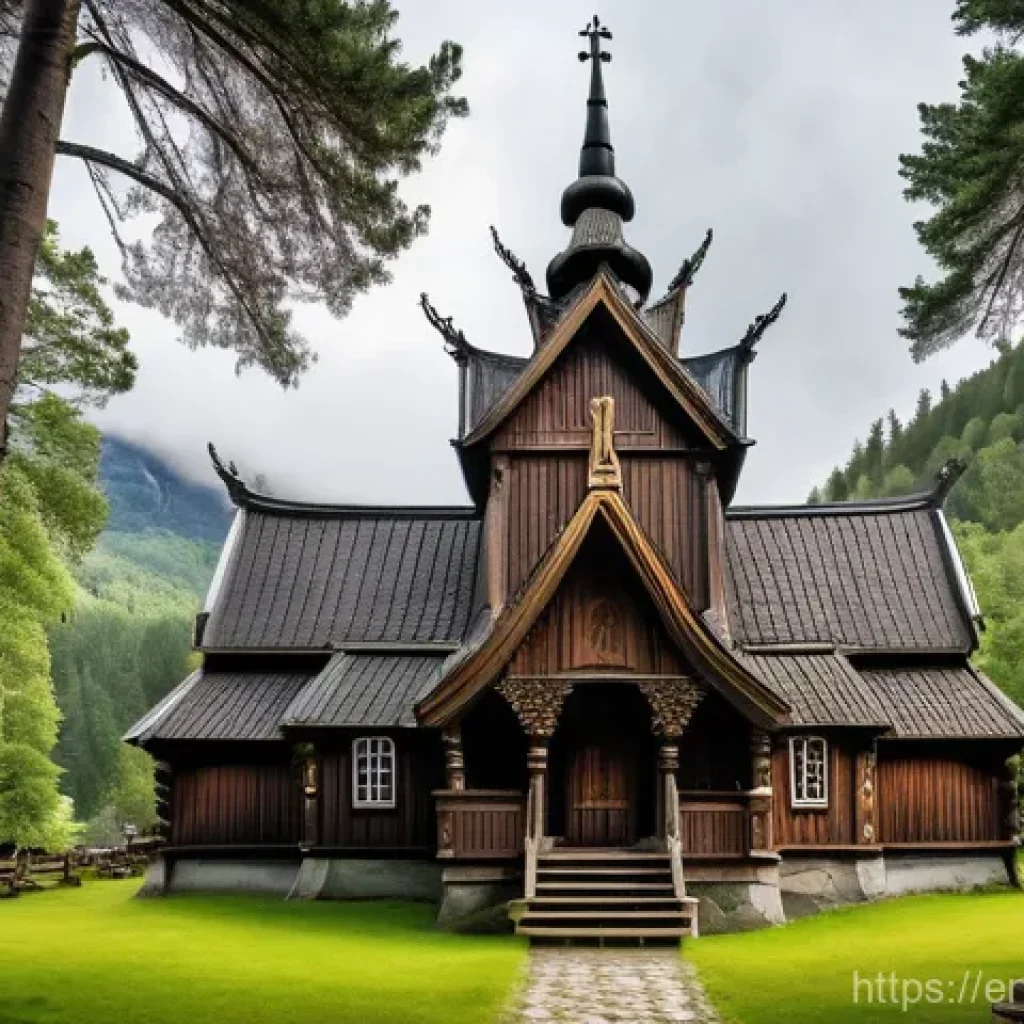
I remember seeing photos of the stave churches for the first time – those intricate carvings, the dramatic, almost mystical silhouettes against a snowy backdrop – and thinking, “Wow, how did they *do* that?” It’s mind-boggling to consider how medieval builders, without today’s tools, created structures that have stood strong for centuries, braving harsh Nordic winters and countless storms.
They perfected techniques like log building and stave construction, using horizontal logs notched at the corners or vertical planks driven into frames on stone foundations to prevent rot.
This wasn’t just practical; it was an art form. What’s really cool is how these ancient methods are actually inspiring modern sustainable building practices today.
We’re seeing a true timber renaissance, with Norwegian architects pushing boundaries, using engineered wood products like glulam to create incredibly strong, flexible, and environmentally friendly structures, some even challenging the heights of traditional steel and concrete buildings.
They’re proving that the “old ways” of building with wood, combined with cutting-edge innovation, are not just sustainable but aesthetically stunning, and perfectly suited for our planet’s future.
It makes you wonder what our ancestors would think of today’s wooden skyscrapers! So, if you’re curious about the secrets behind structures that whisper tales of Vikings and endure for centuries, and how these timeless principles are shaping the future of architecture, you’re in for a treat.
Let’s peel back the layers and discover the enduring magic of Norwegian wooden architecture.Ah, Norway! Just saying the name conjures images of majestic fjords, towering mountains, and, for architecture buffs like me, an incredible legacy of wooden buildings.
As someone who’s always had a soft spot for design that truly harmonizes with nature, Norway’s traditional wooden architecture has long been a source of fascination.
It’s not just about old buildings; it’s about a profound understanding of materials, climate, and a craftsmanship passed down through generations. You can practically feel the history in the timber!
I remember seeing photos of the stave churches for the first time – those intricate carvings, the dramatic, almost mystical silhouettes against a snowy backdrop – and thinking, “Wow, how did they *do* that?” It’s mind-boggling to consider how medieval builders, without today’s tools, created structures that have stood strong for centuries, braving harsh Nordic winters and countless storms.
They perfected techniques like log building and stave construction, using horizontal logs notched at the corners or vertical planks driven into frames on stone foundations to prevent rot.
This wasn’t just practical; it was an art form. What’s really cool is how these ancient methods are actually inspiring modern sustainable building practices today.
We’re seeing a true timber renaissance, with Norwegian architects pushing boundaries, using engineered wood products like glulam to create incredibly strong, flexible, and environmentally friendly structures, some even challenging the heights of traditional steel and concrete buildings.
They’re proving that the “old ways” of building with wood, combined with cutting-edge innovation, are not just sustainable but aesthetically stunning, and perfectly suited for our planet’s future.
It makes you wonder what our ancestors would think of today’s wooden skyscrapers! So, if you’re curious about the secrets behind structures that whisper tales of Vikings and endure for centuries, and how these timeless principles are shaping the future of architecture, you’re in for a treat.
Let’s peel back the layers and discover the enduring magic of Norwegian wooden architecture.
Embracing the Timeless Craft: A Journey Through Norwegian Woodwork
The Humble Beginnings: Ingenuity in Every Log
It’s truly incredible to think about how, centuries ago, people in Norway didn’t just build with wood; they lived and breathed with it. They didn’t have fancy power tools or architectural software, just an innate understanding of the forest around them and a deep respect for its offerings.
I mean, imagine felling massive trees, painstakingly shaping each log, and then fitting them together with such precision that they’d stand for generations.
My mind is absolutely blown when I consider the sheer effort and skill involved in creating a sturdy, weather-tight home in the often-brutal Nordic climate.
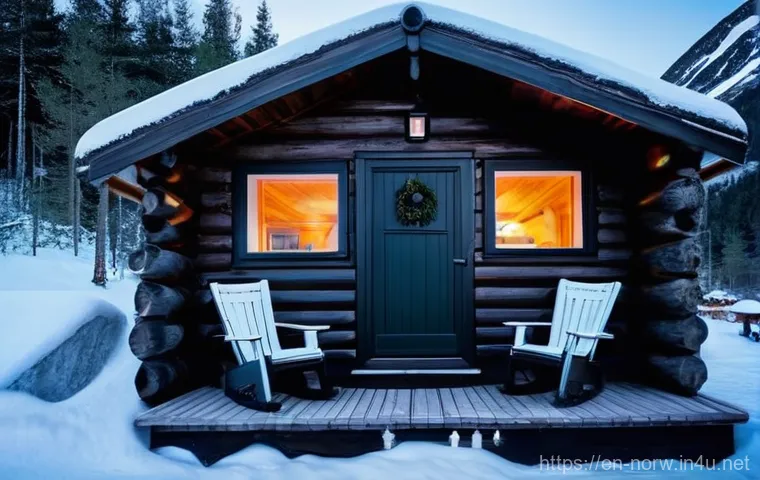
It wasn’t just about throwing up four walls and a roof; it was about crafting a sanctuary. They developed techniques like corner notching, where logs were carefully cut and interlocked at the corners, creating an incredibly strong and stable structure without needing a single nail.
This approach wasn’t just practical; it was an artistic expression of their connection to the land and a testament to their unwavering determination. Every joint told a story of survival and ingenuity, a silent dialogue between the builder and nature itself.
When I visited the open-air folk museum in Oslo, I remember running my hand over a centuries-old log wall, feeling the smooth, aged timber, and just imagining the lives lived within those very walls – it’s a truly humbling experience.
Beyond Basic Shelter: Functionality Meets Beauty
What often gets overlooked in the discussion of traditional wooden architecture is how beautifully functional it was, blending seamlessly into the landscape while providing optimal protection.
These builders weren’t just thinking about keeping the rain out; they were considering insulation, airflow, and how the building would age gracefully.
The materials were locally sourced, making the entire process inherently sustainable long before “sustainability” became a buzzword. From the turf roofs that provided excellent insulation and blended the buildings into the hillsides to the small, strategically placed windows that minimized heat loss, every element had a purpose.
There’s a subtle elegance in this kind of design, where form truly follows function, but without sacrificing an ounce of aesthetic charm. I’ve always admired how these structures stand so proudly yet humbly in their environment.
It’s a masterclass in living with, rather than against, nature. You can see it in the way the timber weathers over time, developing a silvery patina that makes it look like it’s literally grown out of the earth.
Stave Churches: Architectural Wonders and Whispers of History
The Mystical Charm of Medieval Craftsmanship
Oh, the stave churches! If you haven’t seen photos, or better yet, visited one, you are missing out on one of the world’s most unique architectural treasures.
These aren’t your typical stone cathedrals; they’re magnificent, almost whimsical structures crafted entirely from wood, often with dragon-head carvings and intricate ornamentation that harken back to a Viking past.
The first time I saw pictures of Borgund Stave Church, I literally gasped. It looks like something out of a fantasy novel, with its multiple tiers and steeply pitched roofs.
What absolutely fascinated me was how these builders, with rudimentary tools, managed to create such complex, soaring structures using vertical wooden staves (posts) set into a frame.
It’s a structural marvel, really. Each stave acts like a column, supporting the roof and walls, allowing for expansive interiors while maintaining incredible stability.
You can practically feel the spiritual weight in these places, knowing they’ve stood as centers of community and faith for over 800 years. The air inside always feels different, heavy with history and the scent of ancient wood.
It’s not just a building; it’s a portal to the past.
Decoding the Details: Artistry in Every Carving
Beyond their impressive overall form, the devil, or rather, the beauty, is truly in the details of stave churches. The intricate carvings, especially around the portals and gables, are breathtaking.
You’ll find intertwining serpent motifs, dragon heads, and complex patterns that often blend pagan Norse imagery with early Christian symbolism. It’s a fascinating reflection of Norway’s cultural transition, and honestly, a testament to the incredible artistic skill of the medieval woodcarvers.
I remember zooming in on photos of Urnes Stave Church, which is a UNESCO World Heritage site, and just being mesmerized by the delicate, almost lace-like quality of the carvings.
Each swirl and curve tells a story, and you can spend hours just tracing the lines with your eyes, imagining the hands that shaped them centuries ago.
It’s not just ornamentation; it’s a narrative etched in timber, a visual language that speaks volumes about the beliefs and worldview of the people who built and worshipped in these churches.
It makes me feel incredibly connected to that distant past.
Cozy Retreats: The Enduring Appeal of Log Homes
Building a Legacy: From Farmhouses to Freetime Havens
When we talk about Norwegian wooden architecture, it’s not all about grand churches; it’s also about the cozy, practical, and utterly charming log homes that dot the countryside.
These aren’t just rustic cabins; they’re carefully constructed dwellings that have housed generations of families, resilient against the harshest elements.
From traditional farmhouses (like the
gårdshus
) to more modern interpretations, the core principle remains the same: robust, interlocking timber providing warmth and shelter. What strikes me every time I see one is how inviting they look, almost as if they’re hugging the landscape.
The natural insulation of thick logs means they’re incredibly energy-efficient, staying cool in summer and wonderfully warm in winter. I’ve personally had the pleasure of staying in a modernized log cabin in the Norwegian mountains, and let me tell you, there’s nothing quite like the feeling of waking up to the smell of pine and the sight of solid wood walls around you.
It’s a feeling of security, history, and profound connection to nature.
The Art of Living: Crafting Comfort in Wood
The genius of Norwegian log homes lies in their simplicity and durability. Builders perfected techniques like dovetail notching and saddle notching, creating incredibly tight joints that were resistant to moisture and wind.
Beyond the structural integrity, there’s also an incredible amount of craftsmanship in the interior details – carved wooden doors, beautifully paneled walls, and built-in furniture that maximizes space and comfort.
It’s not just about building a house; it’s about creating a home, a cozy haven (
hytte
) where life unfolds. I’ve noticed that even in contemporary log homes, there’s a conscious effort to preserve this sense of warmth and natural elegance.
They often feature large windows to let in plenty of light and showcase the stunning natural surroundings, blurring the lines between indoor comfort and outdoor majesty.
It’s a lifestyle choice, really, opting for a home that feels grounded, authentic, and utterly timeless.
Why Wood Reigns Supreme: A Material Masterclass
Nature’s Perfect Building Block: Durability and Adaptability
So, why wood? Why has this material been the cornerstone of Norwegian architecture for over a millennium? Well, if you ask me, it’s a no-brainer when you consider the local resources and climate.
Norway is blessed with abundant forests, providing a readily available and sustainable building material. But it’s more than just availability; it’s about wood’s incredible properties.
It’s naturally insulating, keeping buildings warm in winter and cool in summer, which is absolutely crucial in a country with such varied temperatures.
Plus, wood is surprisingly resilient. When properly treated and maintained, it can withstand centuries of harsh weather, as evidenced by those incredible stave churches.
I always think it’s a testament to human ingenuity to take a natural resource and figure out how to maximize its potential for shelter and beauty. It’s incredibly adaptable, too; you can shape it, carve it, join it in countless ways, allowing for both simple, robust structures and incredibly intricate designs.
Sustainability Before it Was Cool: A Nordic Ethos
Before anyone was even talking about “green building,” Norwegian wooden architecture was already setting the standard for sustainable practices. The entire lifecycle of these buildings, from sourcing the timber to their eventual graceful aging, is inherently eco-friendly.
Trees are a renewable resource, and traditional building methods often involved minimal waste. Plus, wood acts as a carbon sink, locking away CO2 for the lifetime of the structure.
I find it fascinating how these ancient practices align so perfectly with modern environmental concerns. It’s not just about using wood; it’s about understanding the forest, respecting its cycles, and building in a way that minimizes impact.
This deep-seated respect for nature is something I really admire about Norwegian culture, and it’s vividly reflected in their architecture. It’s a powerful reminder that sometimes the oldest solutions are also the most forward-thinking.
Modern Timber Renaissance: Echoes of the Past, Visions of the Future
Pushing Boundaries: The Rise of Engineered Wood
It’s easy to think of wooden architecture as something purely historical, but let me tell you, Norway is absolutely leading the charge in a modern timber renaissance!
Architects there aren’t just looking back; they’re taking those ancient principles and catapulting them into the 21st century with incredible innovation.
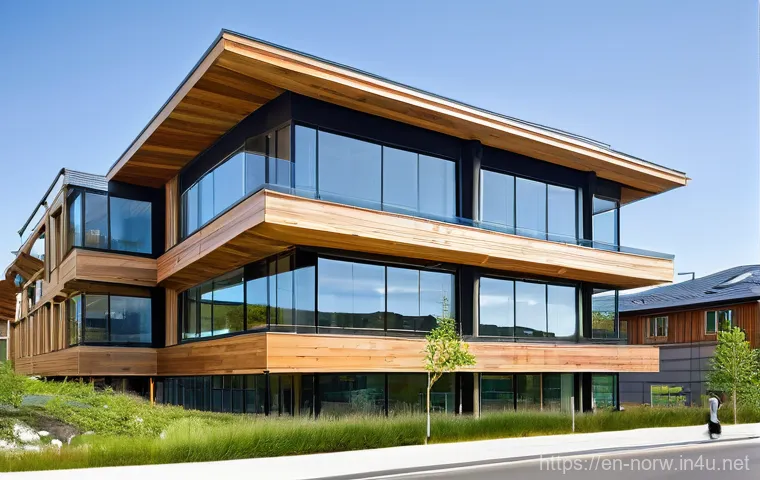
We’re seeing a massive surge in the use of engineered wood products like glulam (glued laminated timber) and CLT (cross-laminated timber). These materials are incredibly strong, lightweight, and versatile, allowing for the construction of multi-story buildings that would have been unimaginable a few decades ago.
I’ve been following projects like Mjøstårnet, which was, for a time, the world’s tallest timber building – how cool is that? It’s inspiring to see how these advancements are challenging the dominance of steel and concrete, proving that wood can be just as robust, if not more so, for large-scale construction.
It feels like a full-circle moment, doesn’t it? From humble log cabins to towering timber skyscrapers, all powered by the same fundamental material.
| Architectural Era | Key Characteristics | Primary Wood Types | Modern Relevance |
|---|---|---|---|
| Traditional (e.g., Stave Churches, Log Houses) | Hand-hewn logs, intricate carvings, natural insulation, interlocking joints, local sourcing | Pine, Spruce | Inspiration for sustainable design, historical preservation, craftsmanship appreciation |
| Modern (e.g., Mjøstårnet, various public buildings) | Engineered wood (CLT, Glulam), multi-story structures, prefabrication, high strength-to-weight ratio | Spruce, Pine (engineered forms) | Reduced carbon footprint, aesthetic appeal, structural innovation, rapid construction |
Designing for Tomorrow: Aesthetics Meet Eco-Consciousness
What I find particularly exciting about this modern movement is how architects are blending cutting-edge technology with a deep appreciation for wood’s natural aesthetics and environmental benefits.
They’re creating structures that are not only sustainable but also visually stunning, with the warmth and character that only wood can provide. There’s a conscious effort to expose the timber, celebrating its texture and grain, rather than hiding it behind other materials.
This creates spaces that feel organic, calming, and deeply connected to nature – something I think we all crave in our increasingly urbanized world. Plus, the environmental benefits are huge.
Using wood reduces the carbon footprint of construction significantly, and as someone who cares deeply about our planet, that’s incredibly important to me.
It’s a powerful statement that good design doesn’t have to compromise on ecological responsibility, and Norway is showing us exactly how it’s done.
Preserving the Past, Building the Future: A Continuous Narrative
Safeguarding Heritage: Lessons from Our Ancestors
One of the things that truly strikes me about Norway’s approach to its wooden architectural heritage is the profound dedication to preservation. It’s not just about slapping a “historic site” sign on a building; it’s about active, ongoing conservation efforts to ensure these incredible structures endure for future generations.
Expert carpenters and conservators meticulously study traditional techniques, even re-learning forgotten methods, to repair and restore stave churches, old farmhouses, and other significant wooden buildings with authentic materials and craftsmanship.
It’s a slow, painstaking process, but absolutely vital. I recall reading about the intense efforts to maintain some of the older buildings against rot and insects, and it’s truly a labor of love.
They understand that these aren’t just old buildings; they’re tangible links to their history, their identity, and the extraordinary ingenuity of their ancestors.
It’s a wonderful example for the rest of the world on how to truly value and protect our shared cultural treasures.
My Journey with Norway’s Wooden Wonders
As someone who’s always been drawn to architecture that tells a story, my fascination with Norwegian wooden buildings runs deep. From poring over books filled with stunning images of stave churches in my college days to finally experiencing the serene beauty of a traditional
hytte
firsthand, it’s been a truly inspiring journey. I’ve learned that it’s not just about the structures themselves, but the philosophy behind them – a philosophy of respect for materials, harmony with nature, and a timeless craftsmanship that transcends generations.
It makes me think about my own home and how I can incorporate more natural, sustainable elements into my living space. There’s a profound lesson here about building not just for today, but for centuries to come, creating spaces that feel authentic, lived-in, and deeply connected to their surroundings.
It’s a beautiful, enduring legacy that Norway has given to the world, and I, for one, am utterly captivated by it.
Wrapping Things Up
Well, friends, what an incredible journey we’ve had through the heart of Norwegian wooden architecture! From the ancient, dragon-headed stave churches that whisper tales of a bygone era to the cozy, comforting embrace of traditional log homes, and now to the awe-inspiring timber skyscrapers pushing the boundaries of modern design, it’s clear that wood isn’t just a building material here; it’s a living, breathing part of Norway’s soul. I hope this deep dive has sparked your imagination and given you a fresh appreciation for the ingenuity, artistry, and deep respect for nature that has shaped these incredible structures for centuries. It’s a powerful reminder that the best designs often stand the test of time, blending tradition with a forward-thinking spirit. If you ever get the chance, absolutely immerse yourself in this architectural wonder – it’s an experience you won’t soon forget!
Good to Know for Your Exploration
1. Planning a visit to a Stave Church? Many, like the famous Borgund Stave Church, are best experienced during the warmer months (May to September) when they’re fully open to the public. Always check specific opening hours online before you go, as they can vary.
2. For the most well-preserved and iconic examples, make sure to include Borgund Stave Church in Lærdal and Urnes Stave Church (a UNESCO World Heritage site) on your itinerary. Heddal Stave Church is also a must-see, being the largest remaining stave church.
3. Consider taking a guided tour, especially at places like Borgund, where local guides can share fascinating legends and historical insights that truly bring the ancient timber to life. You might also find combined tours that include scenic drives.
4. Embrace the “hytte” culture! If you’re looking for an authentic Norwegian experience, consider staying in a traditional log cabin. They embody the Norwegian love for nature and simplicity, offering a cozy retreat, whether rustic or luxuriously modern.
5. Keep an eye out for modern timber marvels! Norway is at the forefront of sustainable construction. Places like Oslo feature cutting-edge designs using engineered wood, showcasing how ancient traditions are inspiring the future of green building. Look for architectural tours in major cities to see these innovations.
My Final Thoughts
What truly resonates with me after exploring Norway’s wooden architecture is this profound, almost spiritual connection to the environment. It’s more than just building; it’s a philosophy of living in harmony with nature, utilizing resources respectfully, and creating beauty that endures for generations. From the intricate carvings of stave churches to the sustainable principles guiding modern timber construction, Norway offers a masterclass in responsible, inspired design. This isn’t just about preserving old buildings; it’s about carrying forward a timeless legacy of craftsmanship, innovation, and an unwavering respect for wood as nature’s ultimate building block. It’s a powerful lesson for us all on how to build a more beautiful and sustainable future.
Frequently Asked Questions (FAQ) 📖
Q: What exactly makes traditional Norwegian wooden architecture stand out so much, and what are its signature features?
A: Oh, that’s a fantastic question, and one I absolutely love diving into! When you look at traditional Norwegian wooden architecture, you’re not just seeing old buildings; you’re witnessing centuries of smart design that genuinely dances with nature.
What truly makes it unique, I think, is this incredible blend of practicality and artistry. For starters, these homes and structures were built to last in some seriously tough Nordic weather.
Think steep roofs to shed snow effortlessly, and those wonderfully thick wooden walls that act as natural insulation, keeping things cozy inside even when it’s freezing out.
And you know what else is super cool? Many even had grass roofs – not just for a touch of green, but for extra thermal insulation! But it’s more than just insulation.
The craftsmanship is just mind-blowing. They mastered techniques like “log building,” where horizontal logs are carefully notched at the corners, creating super-tight, almost nail-free joints.
And then there are the iconic stave churches, or stavkirker. These aren’t just pretty; they’re architectural marvels, built with a framework of vertical posts, or “staves,” resting on stone foundations.
This clever little detail kept the wood off the damp ground, preventing rot – a small but mighty innovation! You can literally feel the history in the timber.
It’s a testament to how deeply connected the builders were to their environment and materials. It’s truly a living art form!
Q: How did these ancient wooden structures, especially the famous stave churches, manage to endure for centuries in Norway’s harsh climate?
A: Honestly, it’s nothing short of amazing, right? When I first learned about how long some of these buildings have stood, I was absolutely floored. It wasn’t magic, though it sometimes feels like it; it was pure genius and deep respect for the materials.
The secret sauce, from what I’ve learned, boils down to a few brilliant strategies. First off, they were incredibly selective about their wood. Builders used high-quality timber, often pine from old-growth forests, which has a super dense heartwood packed with natural preservatives that make it incredibly resistant to rot.
It’s like nature’s own waterproofing! Then there’s the masterful construction. For the stave churches, those critical vertical posts were set on elevated stone foundations.
This was crucial for keeping ground moisture from creeping into the wood and causing decay. And here’s a kicker: they often didn’t use metal nails! Instead, skilled artisans employed intricate joinery techniques with wooden pegs, which allowed the wood to naturally expand and contract with temperature and humidity changes without tearing itself apart.
Plus, they had a brilliant maintenance routine: regularly applying tar to the exterior. This natural wood byproduct acted as a fantastic water repellent, preserving the timber for generations.
When you see these churches, like Borgund, still standing strong after 800 years, you just know that every single detail was a deliberate choice for longevity.
It’s true resilience embodied in wood!
Q: How is Norway’s rich tradition of wooden architecture influencing modern sustainable building practices today?
A: This is where things get really exciting, in my opinion! It’s not just about appreciating history; it’s about seeing how these ancient wisdoms are actually paving the way for our future.
We’re living through what I like to call a “timber renaissance,” and Norway is absolutely at the forefront, showing the world how to build sustainably and beautifully with wood.
What our ancestors knew instinctively – that wood is a fantastic building material – we’re now rediscovering and innovating upon with cutting-edge technology.
Modern Norwegian architects are pushing boundaries by using engineered wood products like Glued Laminated Timber, or “glulam,” and Cross-Laminated Timber, “CLT”.
These aren’t just fancy names; they’re materials that can be incredibly strong, flexible, and surprisingly, even rival the strength of steel and concrete, but with a significantly smaller environmental footprint.
Glulam, for instance, offers amazing design freedom, allowing for huge spans and stunning curved structures while using far less energy to produce than steel.
We’re seeing towering wooden buildings, like Mjøstårnet, the world’s tallest timber building, popping up in Norway, proving that going vertical with wood is not just possible but preferable for the planet.
It’s truly inspiring to see how the “old ways” of working with wood, combined with today’s innovation, are giving us aesthetically stunning and incredibly sustainable solutions for our planet’s future.
It really makes you wonder what incredible wooden structures we’ll see next!