Norway, with its breathtaking fjords and mystical landscapes, has always held a certain allure. Growing up, I was captivated by tales of Vikings, gods, and epic battles.
The very air seems to whisper ancient stories. This fascination led me down a rabbit hole of Norse mythology, a world populated by powerful deities like Odin, Thor, and Loki, each with their own complex personalities and roles in the cosmic drama.
Now, the resurgence of interest in Norse mythology, thanks to popular culture, sparks a renewed curiosity about its origins and enduring impact. Let’s delve deeper into the fascinating world of Norwegian and Norse mythology in the article below.
## The Allfather and His Court: Understanding the Aesir GodsThe Aesir are the principal gods of the Norse pantheon, residing in Asgard, a realm of celestial splendor.
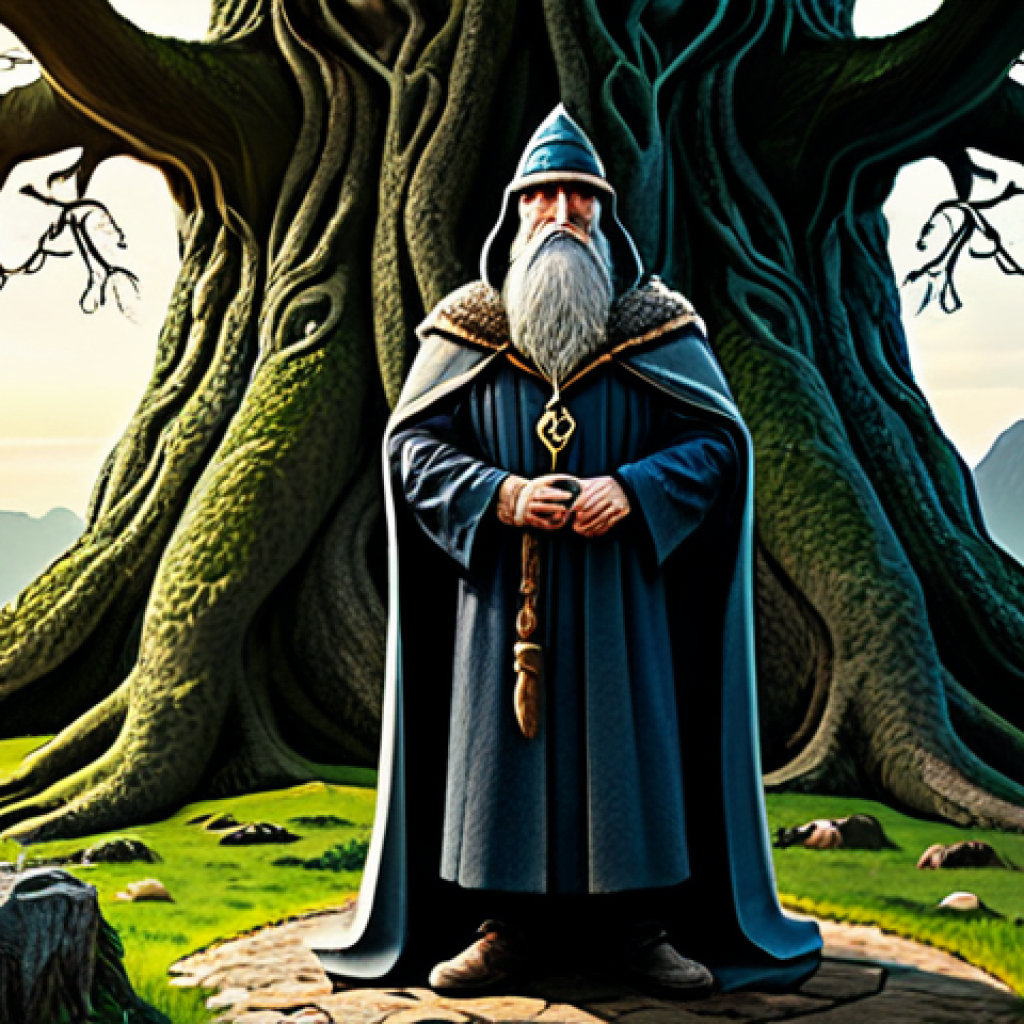
Leading them is Odin, the Allfather, a complex figure of wisdom, war, and magic. He sacrificed an eye for knowledge and hung himself on the World Tree, Yggdrasil, to gain insight into the runes, solidifying his role as the ultimate seeker of understanding.
I remember reading about Odin as a kid and just being blown away by his relentless pursuit of knowledge, even at such a high personal cost. It made me realize that true wisdom often comes from sacrifice.
Odin: The Wise Wanderer and God of War
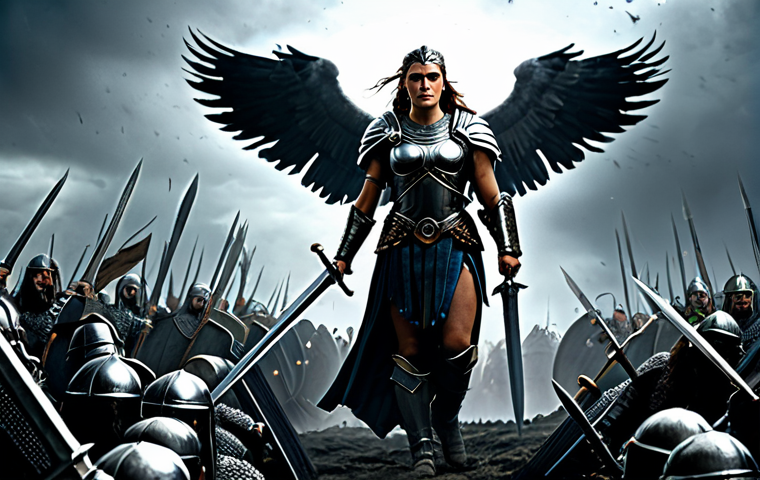
Odin isn’t just a bloodthirsty war god, though he certainly has that aspect. He’s also a wanderer, disguised in a cloak and hat, seeking knowledge and testing mortals.
He values courage and cunning in warriors, choosing who will feast in Valhalla, his hall for fallen heroes. Personally, I’ve always seen Odin as a reminder that appearances can be deceiving and that true strength comes in many forms.
Thor: The Protector of Midgard and God of Thunder
Then there’s Thor, Odin’s son, the god of thunder, with his mighty hammer, Mjolnir. He’s the protector of Midgard (Earth), battling giants and monsters.
Thor is a straightforward, powerful figure, loved by mortals for his dedication to their safety. I once saw a reenactment of a Viking battle, and the guy playing Thor was absolutely electrifying.
He perfectly captured Thor’s raw power and unwavering commitment to protecting the innocent.
Frigg: The Queen of Asgard and Goddess of Marriage
Frigg, Odin’s wife, is the goddess of marriage, motherhood, and foresight. While Odin is out wandering, Frigg manages Asgard and the other gods. She’s known for her wisdom and her ability to see the future, although she cannot change fate.
I think Frigg is often underestimated, but she’s the silent force holding everything together.
Valkyries: Choosers of the Slain
The Valkyries, Odin’s shieldmaidens, are crucial to the Norse afterlife. These fierce warrior women ride across the battlefields, choosing the bravest of the slain to bring to Valhalla, Odin’s grand hall.
Here, these chosen warriors, the Einherjar, feast and train, preparing for Ragnarok, the end of the world.
Leading the Slain to Valhalla
The Valkyries don’t just pick anyone; they choose the most valiant warriors. Imagine the honor of being chosen, carried off the battlefield by a Valkyrie to spend eternity in Valhalla!
More than Just Warriors
The Valkyries are more than just battle-ferrying servants. They are powerful figures in their own right, often depicted as beautiful and fierce, embodying the spirit of war and fate.
I think a lot of the modern fascination with strong female characters stems from these figures of Norse mythology.
The Trickster God: Loki’s Chaotic Influence
Loki is a complex and controversial figure. He is a shapeshifter, a trickster, and a master of manipulation, often causing chaos and discord among the gods.
However, he is also instrumental in some of their greatest triumphs. Loki’s actions frequently blur the lines between good and evil, making him a compelling and unpredictable character.
Chaos and Mischief
Loki’s pranks and schemes range from harmless mischief to dangerous betrayals. He is a master of disguise and deception, often using his cunning to manipulate situations to his advantage.
I remember reading a story about Loki tricking a giant out of building a wall around Asgard, and I couldn’t help but admire his audacity, even if it was morally questionable.
The Complicated Relationship with the Aesir
Despite his disruptive behavior, Loki is often tolerated, even relied upon, by the Aesir. His intelligence and resourcefulness can be invaluable, but his unpredictable nature always poses a threat.
This uneasy alliance highlights the complex dynamics within the Norse pantheon.
The Nine Realms: Cosmology of Norse Mythology
Norse mythology features a complex cosmology with nine distinct realms connected by the World Tree, Yggdrasil. Each realm is home to different beings and has unique characteristics, creating a rich and varied mythological landscape.
Asgard: Realm of the Gods
Asgard is the home of the Aesir gods, a realm of magnificent halls and celestial beauty. It is connected to Midgard by the Bifrost, a rainbow bridge guarded by Heimdall.
Midgard: The Mortal Realm
Midgard is the realm of humans, a world of green fields, vast oceans, and towering mountains. It is the central realm, balanced between the divine and the chaotic.
Jotunheim: Land of the Giants
Jotunheim is the home of the giants, powerful and often malevolent beings who are constant adversaries of the gods. It is a harsh and unforgiving land of ice and stone.
I’ve always pictured it as a frozen wasteland, a place where only the toughest creatures can survive.
Ragnarok: The Twilight of the Gods
Ragnarok, the “Twilight of the Gods,” is the prophesied end of the world in Norse mythology. It is a cataclysmic event where gods, giants, and monsters clash in a final, devastating battle.
The Great Battle
The great battle marks the culmination of all conflicts, with gods and their enemies facing off in a final showdown. Thor battles the serpent Jormungandr, Odin faces the wolf Fenrir, and other gods meet their dooms.
Rebirth and Renewal
Despite the destruction, Ragnarok is not the absolute end. From the ashes of the old world, a new world emerges, offering hope for rebirth and renewal.
This cyclical view of destruction and creation is a central theme in Norse mythology.
Enduring Legacy: Norse Mythology in Modern Culture
Norse mythology continues to captivate and inspire modern culture, influencing literature, film, music, and games. The powerful stories, complex characters, and themes of heroism, sacrifice, and fate resonate with audiences today.
Influence on Literature and Film
From J.R.R. Tolkien’s “The Lord of the Rings” to Marvel’s “Thor” movies, Norse mythology has left an indelible mark on popular culture. These adaptations bring the ancient stories to life for new generations, sparking interest in the original myths.
I remember being thrilled when I first saw Thor on the big screen, realizing that the myths I had loved as a kid were now part of the mainstream.
Themes and Archetypes
The themes and archetypes of Norse mythology, such as the hero’s journey, the battle between good and evil, and the inevitability of fate, continue to resonate with audiences.
These timeless stories offer insights into the human condition and the challenges we face.
| God/Goddess | Role | Key Characteristics |
|---|---|---|
| Odin | Allfather, God of Wisdom, War, and Death | One-eyed, wise, wanderer, associated with ravens and wolves |
| Thor | God of Thunder, Strength, and Protection | Wields the hammer Mjolnir, protector of Midgard |
| Frigg | Goddess of Marriage, Motherhood, and Fate | Wise, foresightful, queen of Asgard |
| Loki | God of Mischief, Trickery, and Shapeshifting | Cunning, unpredictable, associated with chaos |
Exploring Viking Culture Through Norse Mythology
Norse mythology provides invaluable insights into Viking culture, reflecting their beliefs, values, and worldview. The myths reveal their reverence for warriors, their fatalistic outlook, and their complex social structure.
Understanding these stories helps us appreciate the Viking way of life.
Reflections of Viking Values
The emphasis on courage, honor, and loyalty in Norse mythology reflects the core values of Viking society. Warriors who died bravely in battle were guaranteed a place in Valhalla, highlighting the importance of valor and sacrifice.
Norse Mythology and Viking Society
The social hierarchy, customs, and rituals of the Vikings are mirrored in their myths. The gods and goddesses represent different aspects of Viking society, from leadership and warfare to agriculture and fertility.
I think it’s fascinating how these myths served as a blueprint for their social order, guiding their behavior and shaping their identity.
Practical Ways to Immerse Yourself in Norse Mythology
Want to connect with Norse mythology beyond just reading about it? There are many ways to bring these myths to life and experience their magic firsthand.
Visit Norway and Explore Historical Sites
What better way to connect with Norse mythology than to visit Norway and explore its historical sites? From Viking ship museums to ancient burial mounds, Norway offers a tangible link to the world of the Vikings and their gods.
I still vividly remember visiting the Viking Ship Museum in Oslo and being awestruck by the sheer craftsmanship and history of those ancient vessels. It felt like stepping back in time.
Engage with Norse Mythology-Inspired Art and Music
Explore the rich artistic and musical traditions inspired by Norse mythology. From epic orchestral pieces to intricate metalwork, there are countless ways to engage with the myths through art and music.
The Aesir, with Odin at their head, aren’t just dusty figures in old books. They’re vibrant characters whose stories echo through modern life, reminding us of courage, wisdom, and the cyclical nature of existence.
So dive in, explore the realms, and discover the magic of Norse mythology for yourself. You might just find a little bit of Asgard in your own backyard.
In Conclusion
Exploring the world of Norse mythology offers a fascinating glimpse into the beliefs and values of the Viking age. From the all-encompassing wisdom of Odin to the protective might of Thor and the chaotic influence of Loki, the stories of the Aesir gods and the nine realms continue to inspire and captivate. Embrace the journey, delve into the myths, and discover the timeless lessons they hold.
As we conclude this exploration, remember that these myths are more than just stories; they are a reflection of human nature and the eternal quest for meaning and understanding.
Whether you’re a seasoned mythology enthusiast or a curious newcomer, the rich tapestry of Norse lore offers something for everyone.
I hope this journey through Asgard and beyond has sparked your imagination and deepened your appreciation for these ancient tales. Keep exploring, keep questioning, and keep the spirit of the Vikings alive!
Need-to-Know Facts
1. Odin’s Ravens: Odin has two ravens, Huginn (Thought) and Muninn (Memory), who fly around the world and report back to him on everything that happens.
2. Thor’s Hammer: Mjolnir, Thor’s hammer, always returns to his hand after he throws it, and only those who are worthy can lift it.
3. Yggdrasil: The World Tree, Yggdrasil, connects the nine realms of Norse cosmology. Its roots reach into the depths of Hel, and its branches touch Asgard.
4. Valhalla’s Warriors: The warriors who die bravely in battle and are chosen by the Valkyries go to Valhalla, where they feast and train for Ragnarok.
5. Loki’s Offspring: Loki is the father of several monstrous beings, including the wolf Fenrir, the serpent Jormungandr, and Hel, the ruler of the underworld.
Key Takeaways
* The Aesir gods are the primary deities of the Norse pantheon, residing in Asgard and led by Odin. * Thor is the protector of Midgard, known for his strength and his hammer, Mjolnir.
* Loki is a trickster god who often causes chaos but is also instrumental in some of the gods’ greatest triumphs. * Ragnarok is the prophesied end of the world, a cataclysmic battle that leads to rebirth and renewal.
* Norse mythology continues to influence modern culture, appearing in literature, film, and games.
Frequently Asked Questions (FAQ) 📖
Q: What are the main sources for learning about Norse mythology?
A: Honestly, finding accurate sources can be a bit of a quest. The two most important sources are the Poetic Edda and the Prose Edda. The Poetic Edda is a collection of Old Norse poems dealing with heroic and mythological subjects.
It feels a little incomplete at times, but reading it gives you a real sense of the ancient myths. The Prose Edda, written by Snorri Sturluson, retells many of the myths in prose form and tries to systematize them.
While super helpful, remember that Snorri was writing centuries after the Viking Age ended, so he’s adding his own interpretation and maybe even Christian influences.
I’d also recommend looking for modern scholarly analyses – they can really help you piece together the puzzle and avoid some common misunderstandings.
Q: Besides the popular figures like Thor and Odin, who are some other interesting characters in Norse mythology?
A: Oh, absolutely! While everyone knows Thor and Odin, the Norse world is teeming with fascinating figures. I’ve always been intrigued by Freya, the goddess of love, beauty, and fertility.
She’s way more complex than just a pretty face; she’s a powerful sorceress and a fierce warrior. Then there’s Heimdallr, the watchman of the Bifrost bridge, who’s said to have incredibly sharp senses and a horn that can be heard throughout all the nine realms.
And let’s not forget the giants, like Ymir, whose body was used to create the world – pretty gruesome, right? The stories surrounding these lesser-known characters really flesh out the Norse cosmos.
Q: How has the modern resurgence of interest in Norse mythology changed our understanding or perception of it?
A: It’s definitely been a mixed bag, in my opinion. The popularity of movies and video games featuring Norse gods has brought the mythology to a wider audience, which is great!
But sometimes, the adaptations simplify the stories or take liberties with the original source material. It can lead to misunderstandings and the perpetuation of some pretty shallow interpretations.
For instance, Thor is often portrayed as just a muscle-bound hero, when in reality, the original myths depict him as a complex figure with his own flaws and vulnerabilities.
On the flip side, the increased interest has spurred more academic research and translations, allowing us to delve deeper and get a more nuanced understanding of the mythology’s origins and cultural context.
So, the modern resurgence has its pros and cons, and it’s important to approach these interpretations with a critical eye.
📚 References
Wikipedia Encyclopedia