Traveling to Norway in winter is like stepping into a real-life snow globe, where every corner sparkles with icy magic. From the mesmerizing Northern Lights dancing across the sky to cozying up in charming wooden cabins, the season offers unique experiences you won’t find anywhere else.
But winter in Norway also demands smart planning—think warm layers, unpredictable weather, and limited daylight hours. Having the right tips can make your trip smoother and more enjoyable.
Whether you’re aiming to chase the Aurora Borealis or explore snowy fjords, knowing what to expect is key. Let’s dive into the essential winter travel tips you need to know before your Norwegian adventure!
Mastering Norway’s Winter Weather: Dressing for Success
Layering Like a Pro
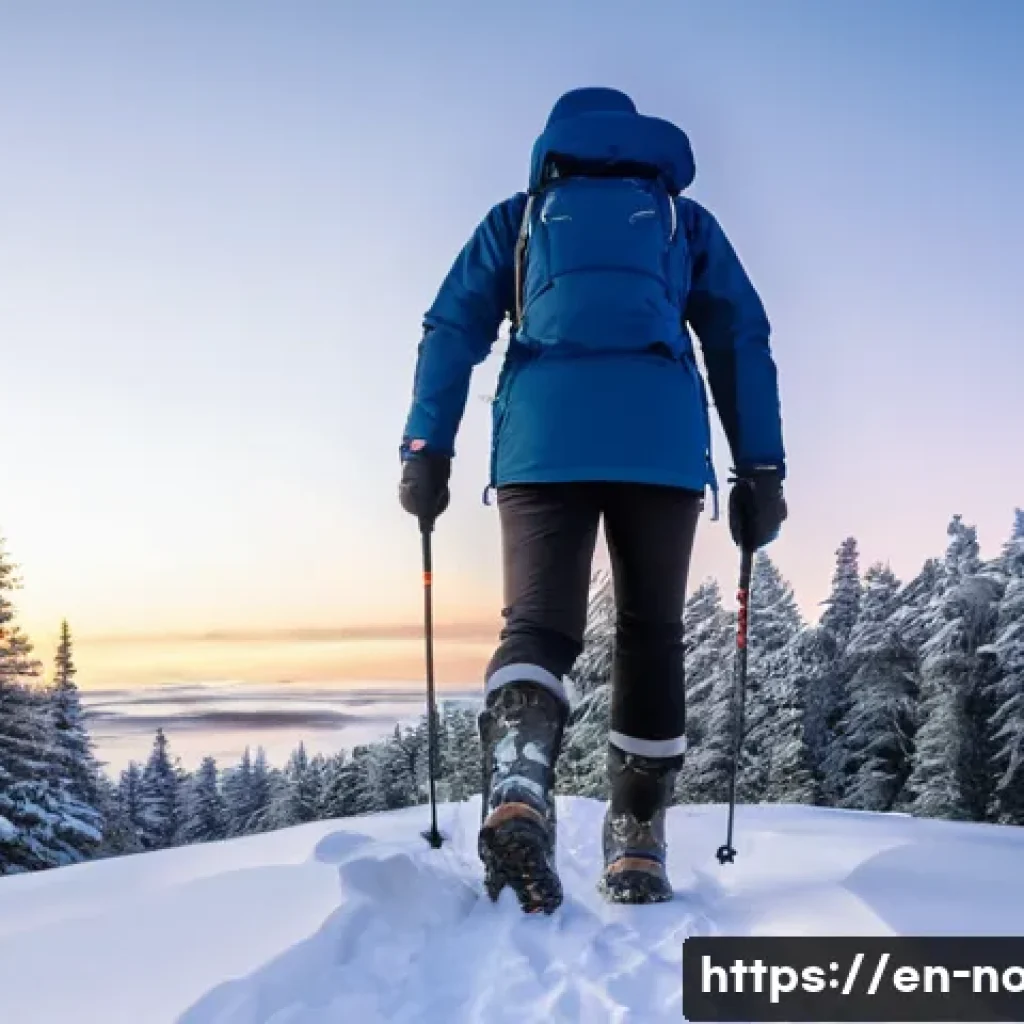
When I first traveled to Norway in winter, I underestimated the power of layering. Trust me, it’s not just about piling on clothes—it’s about smart layering.
Start with a moisture-wicking base layer to keep sweat away from your skin, then add an insulating mid-layer like fleece or wool. On top, wear a windproof and waterproof shell to protect against biting winds and snow.
This combination kept me warm during icy hikes and city strolls alike without feeling bulky. Having adjustable layers means you can adapt quickly as you move between the cold outdoors and heated indoor spaces, which is a lifesaver in Norway’s variable winter climate.
Choosing the Right Fabrics
Not all fabrics are created equal in winter. Avoid cotton because it traps moisture and chills you down. Instead, go for merino wool or synthetic fibers that dry fast and retain warmth even when damp.
I personally swear by a merino wool base layer—it’s soft, breathable, and odor-resistant, which is perfect for multi-day adventures. On the outside, Gore-Tex or similar breathable waterproof jackets and pants are essential; they keep you dry without turning you into a sweaty mess.
Investing in quality gloves, hats, and thermal socks also made a huge difference for me, especially during long outdoor activities like Northern Lights hunting.
Footwear That Keeps You Moving
My biggest mistake on my first trip was underestimating winter footwear. Norway’s icy streets and snowy trails demand boots that are insulated, waterproof, and have excellent grip.
I opted for a pair with Vibram soles and Thinsulate insulation, which kept my feet warm and steady on slippery paths. Don’t forget to break in your boots before the trip to avoid painful blisters.
Pair them with thermal socks and maybe even sock liners for extra warmth. Also, consider bringing ice grips or crampons if you plan to explore mountainous or icy areas—they can make a huge difference for safety and confidence while walking.
Decoding Norway’s Winter Daylight and How to Make the Most of It
Understanding the Polar Night
One of the most surreal things about winter in Norway is the Polar Night—the period when the sun barely rises above the horizon, especially above the Arctic Circle.
For example, in Tromsø, you’ll experience almost 24 hours of darkness for weeks. Initially, it felt strange and a bit disorienting, but I learned to embrace this unique natural rhythm.
The soft twilight during midday creates a magical atmosphere perfect for photography or simply enjoying peaceful moments. Planning your activities around this limited daylight is crucial to avoid burnout and make the most of every bright hour.
Maximizing Outdoor Time
Because daylight is scarce, I found it helpful to schedule outdoor adventures early in the day. For instance, going for a snowshoe hike or a dog sled ride just after the morning twilight ensures you soak in natural light while it lasts.
Use the darker hours for indoor experiences like museums, cafes, or cozying up by a fireplace. Carrying a headlamp and reflective gear also helped me feel safe during late afternoon walks or Aurora chases.
Balancing your itinerary with light and dark hours keeps energy levels steady and enhances your overall experience.
Tips to Beat the Winter Blues
The extended darkness can sometimes affect your mood. When I felt sluggish or low, I made it a point to get outside daily—even if just for a short walk in the snow.
Vitamin D supplements, staying active, and socializing helped me keep spirits high. Norway’s winter festivals and local events also provide lively distractions and cultural immersion.
Don’t hesitate to seek out cozy spots like cafés or spas to recharge. Embracing hygge—the Scandinavian art of coziness—can transform your mindset during the darkest days.
Chasing the Northern Lights: How to Increase Your Chances
Timing and Location Matter
Seeing the Northern Lights was the highlight of my trip, but it didn’t just happen by chance. The best time is between late September and early April, with peak visibility often around the equinoxes.
Staying above the Arctic Circle in towns like Tromsø, Alta, or Lofoten Islands boosts your chances. I booked a guided tour that took me away from city lights to remote spots, which made all the difference.
Checking local Aurora forecasts and weather conditions daily became part of my routine to pick the right nights for viewing.
What to Bring on Your Aurora Hunt
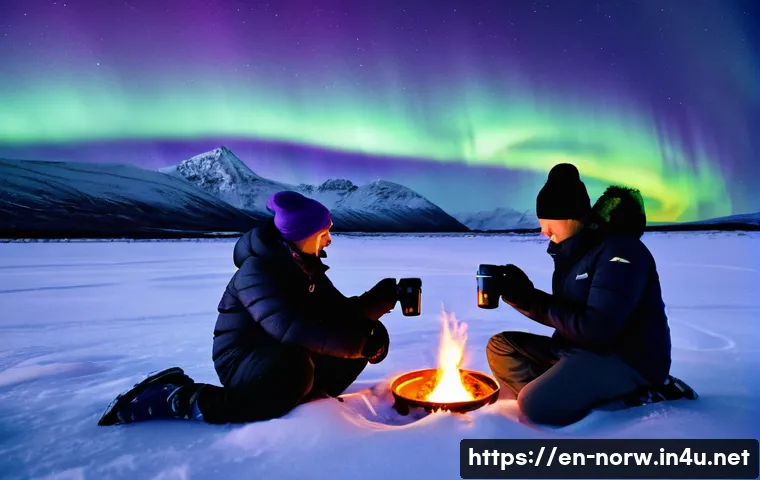
Waiting outside in freezing temperatures demands preparation. I always packed a thermos with hot drinks, hand warmers, and extra layers. A sturdy tripod and a camera with manual settings allowed me to capture the lights beautifully—something I recommend if you love photography.
Patience is key; sometimes the lights appear in bursts or fade quickly. I found that bringing snacks and good company made the long waits enjoyable. Remember, even if the Aurora doesn’t show, the starry sky and snowy landscape create a magical experience.
Alternative Ways to Experience the Aurora
If you’re not keen on standing outside all night, some accommodations offer glass-roofed cabins or Aurora alarms that notify you when the lights appear.
I stayed in one such cabin once, and waking up to the Northern Lights dancing overhead without stepping outside was unforgettable. Another option is to combine Aurora viewing with other winter activities like snowmobiling or reindeer sledding, which keeps the adventure exciting and varied.
Exploring Norway’s Winter Activities Beyond the Usual
Snowshoeing and Cross-Country Skiing
Snowshoeing gave me a fresh perspective on Norway’s winter wilderness—it’s accessible and doesn’t require prior experience. Renting snowshoes is easy in most tourist towns, and the quiet trails through snow-laden forests felt like a winter wonderland come to life.
Cross-country skiing is another fantastic way to explore, and Norway’s well-groomed trails offer options for beginners and experts alike. These activities are low-impact but provide great exercise and stunning views, making them perfect for active travelers.
Dog Sledding Adventures
Dog sledding was hands down one of the most exhilarating experiences I had. Steering your own team of huskies through pristine snowfields while surrounded by majestic mountains is unforgettable.
Some tours even include opportunities to learn about dog care and training, adding a meaningful connection to the experience. I recommend booking with reputable companies that prioritize animal welfare and safety.
It’s a unique way to dive into Sami culture and the spirit of Arctic exploration.
Indoor Delights: Museums and Culinary Treats
When the cold gets intense, Norway’s cultural spots offer warm refuge. I loved visiting the Polar Museum in Tromsø and the Norwegian Folk Museum in Oslo, which gave rich insights into Arctic history and traditions.
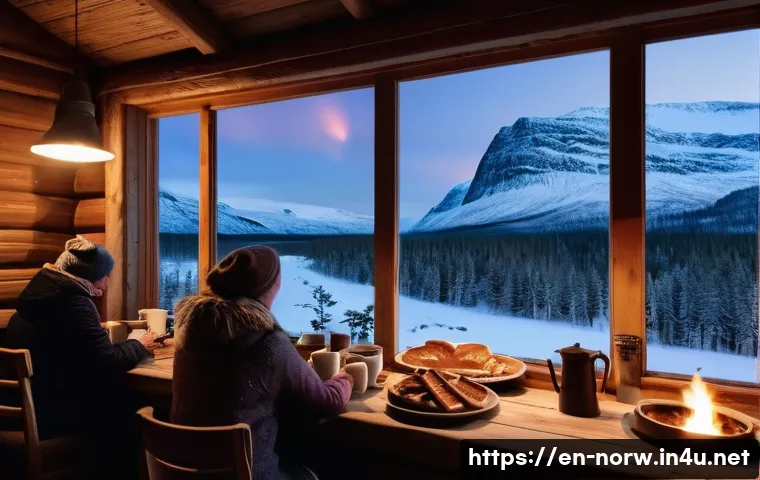
Afterward, indulging in local cuisine like reindeer stew, fresh Arctic char, or waffles with brunost (brown cheese) was the perfect way to recharge. Many restaurants and cafés embrace the cozy vibe with fireplaces and hearty menus that complement the winter atmosphere beautifully.
Essential Gear and Tech for Your Norwegian Winter Trip
Must-Have Travel Gadgets
From my experience, having a reliable power bank is critical because cold weather drains phone batteries faster. A good headlamp with adjustable brightness settings is invaluable for nighttime activities.
Also, a portable Wi-Fi hotspot or local SIM card helped me stay connected in remote areas, which was reassuring and practical. Don’t forget a universal travel adapter for charging your devices—Norway uses the standard European two-pin plugs.
Photography Equipment Tips
Capturing Norway’s winter magic requires some thought. I used a DSLR with a wide-angle lens for landscapes and a sturdy tripod for long exposures. Extra memory cards and spare batteries were lifesavers since cold weather shortens battery life significantly.
If you prefer simplicity, smartphones with manual camera apps and clip-on lenses can also do a decent job. Experimenting with night mode or slow shutter speed settings helped me capture the Northern Lights and snowy scenes with impressive results.
Packing Smart for Convenience
I learned to pack light but smart—compressible down jackets, multi-use scarves, and quick-dry underwear saved space. Waterproof dry bags kept electronics and documents safe during snowy excursions.
Having a small first-aid kit and basic medications was reassuring too. Lastly, bringing reusable water bottles and snacks meant I stayed fueled and hydrated during long outdoor adventures, which is essential in cold climates where dehydration sneaks up on you.
Budgeting Your Winter Trip: Costs and Savings
Where to Spend and Where to Save
Winter travel in Norway can feel pricey, but strategic choices help balance the budget. I splurged on unique experiences like dog sledding and Aurora tours but saved on accommodation by booking cabins or Airbnb lodgings outside city centers.
Grocery shopping and cooking some meals also cut costs significantly. Public transport passes and early bookings for flights and trains provided additional savings.
Being flexible with travel dates sometimes landed me better deals too.
Average Costs Breakdown
Here’s a quick overview of typical expenses to expect during a winter trip in Norway based on my personal budget tracking:
| Expense Category | Average Cost (USD) | Tips for Saving |
|---|---|---|
| Accommodation (per night) | 100 – 200 | Book cabins or Airbnb outside major cities |
| Meals (per day) | 40 – 70 | Cook some meals, try local markets |
| Transportation | 30 – 80 | Use public transport passes, book early |
| Activities | 50 – 150 | Prioritize must-do tours, look for package deals |
| Gear Rental | 20 – 50 | Rent equipment locally instead of buying |
Money-Saving Hacks I Used
One trick I found helpful was buying a Norwegian SIM card with data to access last-minute deals and local tips. Also, traveling with a small group allowed me to split costs on tours and accommodations.
Lastly, signing up for newsletters from Norwegian travel companies before the trip alerted me to discounts on activities and transport. These little steps added up and made a big difference in stretching my budget without compromising the experience.
글을 마치며
Traveling through Norway’s winter wonderland is a truly unforgettable experience when you’re well-prepared. Dressing smartly, understanding the unique daylight patterns, and embracing local activities can transform your trip into an adventure filled with warmth and wonder. With the right gear and mindset, the chilly Norwegian winter becomes a playground rather than a challenge. I hope these insights inspire you to explore Norway’s magical season with confidence and joy.
알아두면 쓸모 있는 정보
1. Layering your clothes effectively is the key to staying comfortable in Norway’s cold winter—start with moisture-wicking fabrics and finish with windproof, waterproof outerwear.
2. Merino wool and synthetic fibers outperform cotton in cold, wet conditions because they keep you warm even when damp and dry quickly.
3. Footwear with good insulation, waterproofing, and grip is essential—breaking in boots before your trip prevents blisters and discomfort during long walks.
4. Planning outdoor activities during limited daylight hours maximizes your experience, while indoor cultural spots offer cozy refuge during darker times.
5. Carrying practical gear like power banks, headlamps, and a reliable camera setup enhances safety, connectivity, and your ability to capture unforgettable moments.
중요 사항 정리
When visiting Norway in winter, prioritize smart layering and quality fabrics to stay warm and dry without bulk. Choose insulated, waterproof boots with good traction and prepare for limited daylight by scheduling outdoor activities early and enjoying indoor cultural experiences later. Bringing essential tech and gear helps maintain comfort and capture memories, while budgeting strategically allows you to enjoy premium adventures without overspending. Embracing Norway’s winter rhythm and unique offerings ensures a safe, enjoyable, and truly magical trip.
Frequently Asked Questions (FAQ) 📖
Q: What is the best way to dress for winter in Norway to stay warm and comfortable?
A: Layering is absolutely crucial when visiting Norway in winter. Start with a moisture-wicking base layer to keep sweat away from your skin, add an insulating mid-layer like fleece or wool for warmth, and top it off with a waterproof and windproof outer shell.
Don’t forget thermal socks, insulated boots, a warm hat, gloves, and a scarf. I found that investing in quality gear really makes a difference—once I had the right layers, I could enjoy outdoor activities without feeling frozen or uncomfortable.
Q: How can I maximize my chances of seeing the Northern Lights during a winter trip to Norway?
A: Timing and location are everything when chasing the Aurora Borealis. The best months are from late September to mid-April, with the darkest months offering the clearest skies.
Head north, especially above the Arctic Circle in places like Tromsø or the Lofoten Islands, where light pollution is minimal. Check the local aurora forecasts and try to stay flexible with your plans so you can venture out on clear nights.
I remember one trip where patience paid off—I waited outside in the cold for hours, and the moment the lights appeared, it was absolutely breathtaking.
Q: What should I know about daylight hours and how they affect winter travel plans in Norway?
A: Winter days in Norway can be surprisingly short, especially above the Arctic Circle, where you might experience polar nights with almost no daylight at all.
This means you need to plan your activities carefully to make the most of the limited daylight. I recommend scheduling outdoor excursions like fjord tours or hiking during midday when there’s natural light, and reserving evenings for indoor activities or Northern Lights watching.
Having a flexible itinerary and a good headlamp or flashlight also comes in handy when you’re out and about after dark.