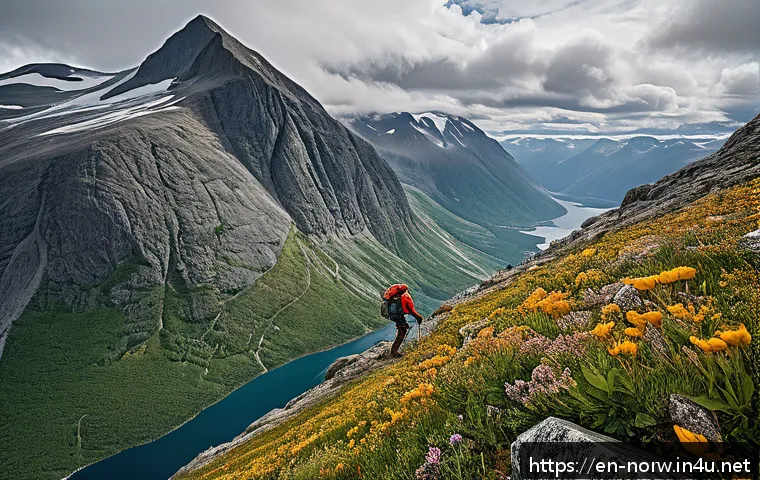
As outdoor enthusiasts seek new horizons in 2024, Norway’s majestic mountain ranges are capturing the spotlight like never before. With the surge in adventure travel and eco-friendly tourism, exploring Norway’s peaks offers both thrilling challenges and stunning natural beauty.
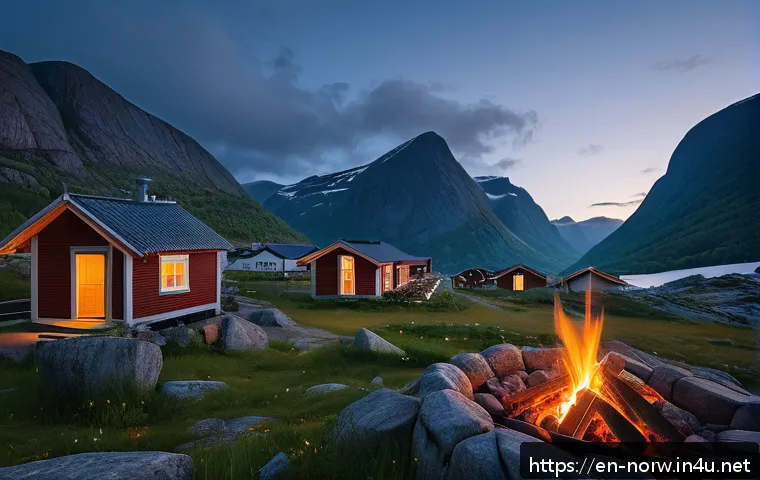
Whether you’re an experienced climber or a passionate beginner, the country’s diverse landscapes promise unforgettable experiences. Join me as we dive into the most breathtaking mountain climbing destinations that Norway has to offer—each spot brimming with unique charm and adventure potential.
Get ready to fuel your wanderlust and prepare for your next epic climb!
Embracing Norway’s Rugged Wilderness: A Climber’s Playground
Chasing the Thrill of Varied Terrain
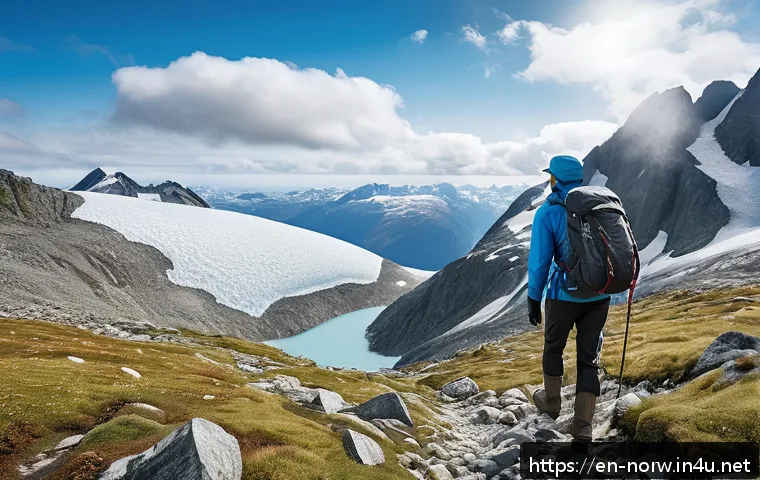
Norway’s mountain ranges offer an incredible mix of terrain that challenges every climber’s skill set. From jagged rock faces to smooth granite slabs, the variety keeps you on your toes and constantly adapting.
I remember tackling a steep granite wall near the Jotunheimen range where the rock’s texture demanded precise footwork and patience. The thrill of conquering such diverse surfaces is unlike anything else, making every climb a unique puzzle to solve.
Plus, the unpredictable weather adds an extra layer of excitement—you never quite know if you’ll be greeted by clear skies or misty veils halfway up.
Accessibility Meets Adventure
Despite its ruggedness, many of Norway’s mountain climbs are surprisingly accessible, even for those who are relatively new to alpine adventures. Trails leading to base camps are often well-marked and maintained, allowing beginners to gain confidence before attempting more technical ascents.
I’ve found that local guides are incredibly knowledgeable and passionate, offering invaluable insights and safety tips that elevate the whole experience.
Their expertise made my first multi-day climb feel safe and deeply rewarding, proving that you don’t need to be an expert to dive into Norway’s majestic mountains.
Wildlife and Flora Along the Way
Climbing in Norway isn’t just about the rocks and views—there’s a vibrant ecosystem waiting to be discovered as you ascend. It’s common to spot reindeer grazing on alpine meadows or catch a glimpse of ptarmigans blending into rocky outcrops.
The alpine flora, with its delicate wildflowers and resilient mosses, adds splashes of color even in harsher conditions. Personally, stumbling upon a patch of blooming mountain avens during a late-summer climb felt like finding a hidden treasure, a reminder of nature’s quiet beauty amid the physical challenge.
Planning Your Climb: What to Know Before You Go
Choosing the Right Season
Timing is everything when it comes to climbing in Norway. The summer months, from June to September, typically offer the most stable weather and longer daylight hours, which are crucial for extended climbs.
However, even in peak season, sudden weather shifts can occur, so packing layers and waterproof gear is non-negotiable. For those seeking a quieter experience, late spring or early autumn can be magical, with fewer crowds and stunning seasonal changes in the landscape.
I once climbed in early autumn and was rewarded with spectacular fall colors framing the peaks—a truly unforgettable sight.
Essential Gear for Safety and Comfort
Packing smart can make or break your climbing trip. Beyond the usual climbing harness, ropes, and helmets, Norway’s unpredictable climate demands extra preparation.
Insulated clothing, sturdy waterproof boots, and a reliable GPS device are must-haves. From experience, carrying a compact stove and high-energy snacks keeps you fueled during long ascents.
Don’t underestimate the importance of a detailed map and a first aid kit—there’s comfort in knowing you’re prepared for the unexpected. And if you’re new to the area, consider renting equipment locally to save on luggage weight and ensure you have gear suited for Norwegian conditions.
Understanding Local Regulations and Conservation
Norway places great emphasis on preserving its natural landscapes, so respecting local rules is essential. Many climbing areas fall within protected national parks where specific regulations govern camping, trail use, and wildlife interaction.
For instance, fires are often prohibited to prevent forest damage, and climbers are encouraged to stick to established routes to minimize erosion. During one climb in a protected area, I noticed clear signage reminding visitors to pack out all trash—a simple but crucial practice.
Engaging with these conservation efforts not only helps preserve the environment but enriches your experience by connecting you with responsible outdoor ethics.
Hidden Gems for the Intrepid Climber
Remote Peaks Off the Beaten Path
While popular spots like Trolltunga draw many visitors, Norway’s true climbing treasures often lie in its lesser-known corners. Remote peaks accessible only by multi-day hikes reward those willing to venture beyond the crowds.
I once embarked on a trek to a secluded summit in the Lyngen Alps, where the silence and untouched scenery felt profoundly humbling. These hidden gems offer a rare sense of solitude and connection with nature that’s hard to find elsewhere.
Just be prepared for logistical challenges like limited cell coverage and the need for thorough self-sufficiency.
Nighttime Ascents and Midnight Sun Magic
One of Norway’s most unique climbing experiences is the chance to ascend under the midnight sun during summer. This natural phenomenon bathes the landscape in a surreal glow, allowing climbers to push their limits without the constraints of darkness.
I vividly recall a midnight climb where the soft, golden light made every rock and ridge shimmer, creating an almost dreamlike atmosphere. Nighttime ascents require careful planning—headlamps, warm layers, and a well-practiced route are crucial—but the payoff is an unforgettable adventure bathed in natural wonder.
Combining Climbing with Cultural Experiences
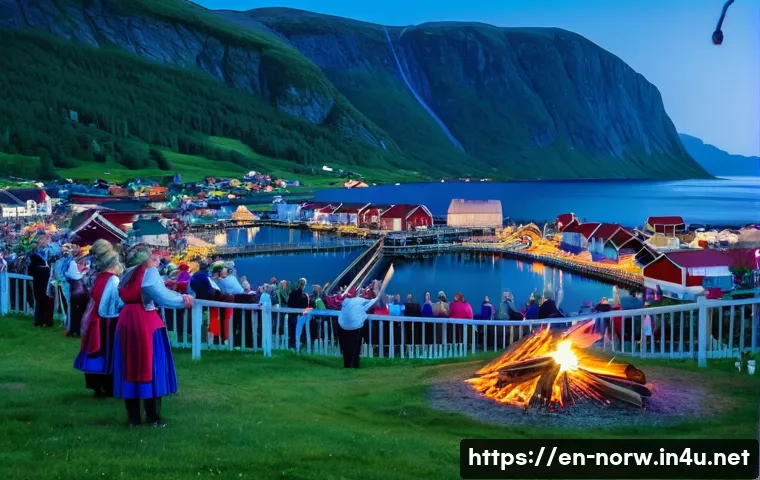
Climbing trips in Norway can be enriched by immersing yourself in local culture. Many mountain villages offer cozy lodges and traditional Norwegian cuisine, providing a warm welcome after a day on the rocks.
In places like Romsdalen, climbers often gather in mountain huts to share stories over hearty meals of reindeer stew or fresh fish. I found these moments just as rewarding as the climbs themselves, building connections with fellow adventurers and locals alike.
This blend of physical challenge and cultural immersion creates a holistic travel experience that stays with you long after the trip ends.
Preparing for Challenges: Weather, Fitness, and Mental Toughness
Dealing with Norway’s Unpredictable Weather
Weather in Norway’s mountains can flip from sunny to stormy in a matter of hours, and this unpredictability demands respect and readiness. I’ve faced sudden downpours and chilling winds that transformed a pleasant climb into a test of endurance.
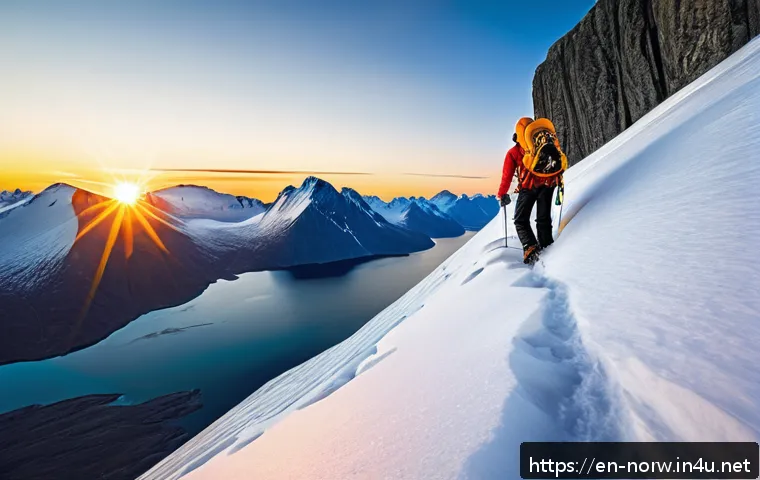
It’s vital to monitor forecasts closely and be ready to adjust plans or turn back if conditions worsen. Layering your clothing and carrying waterproof gear isn’t just about comfort—it’s about safety.
Learning to read the sky and understanding local weather patterns became a crucial skill during my climbs, one that every adventurer should prioritize.
Building Physical Endurance and Strength
Mountain climbing in Norway requires a well-rounded fitness level that combines cardiovascular stamina, muscular strength, and flexibility. Training with a mix of hiking, weightlifting, and balance exercises prepared me to handle long approaches, heavy packs, and technical moves.
Don’t underestimate the importance of core strength—it helps maintain stability on uneven terrain. Regular practice on smaller climbs or indoor climbing walls can build the confidence and skills needed before tackling Norway’s more demanding routes.
Remember, pacing yourself and listening to your body during climbs are just as important as physical preparation.
Mindset: Embracing the Mental Aspect of Climbing
The mental game in mountain climbing is huge. Facing steep ascents, changing conditions, and physical fatigue requires a calm and focused mindset. Personally, I found that breaking down the climb into manageable sections helped reduce overwhelm and keep motivation high.
Visualization techniques—imagining reaching the summit or successfully navigating a tricky section—proved surprisingly effective in boosting confidence.
Also, being okay with turning back when conditions aren’t right is a sign of strength, not failure. Mental toughness is built over time, and each climb offers new lessons in resilience and self-trust.
Essential Information at a Glance
| Mountain Range | Difficulty Level | Best Season | Accessibility | Unique Features |
|---|---|---|---|---|
| Jotunheimen | Moderate to Advanced | June to September | Well-marked trails, guided options | Highest peaks in Norway, glacier views |
| Lyngen Alps | Advanced | July to September | Remote, requires multi-day hikes | Sharp ridges, fjord views, solitude |
| Romsdalen | Intermediate | Summer months | Accessible by road, mountain huts available | Granite cliffs, cultural immersion |
| Trollheimen | Moderate | Late spring to early autumn | Marked trails, camping spots | Varied terrain, rich flora and fauna |
Local Tips for an Authentic Norwegian Climbing Experience
Connecting with the Climbing Community
Norway’s climbing scene is welcoming and tight-knit. Joining local clubs or online forums before your trip can provide insider tips on conditions, gear rentals, and hidden routes.
I reached out to a local climbing group before one of my trips and ended up joining a guided climb that introduced me to both the mountains and new friends.
These connections often lead to shared adventures and valuable advice that you won’t find in guidebooks.
Sampling Norwegian Outdoor Cuisine
Fueling up with local flavors adds a special touch to your climbing journey. Traditional dishes like “brunost” (brown cheese) sandwiches or dried reindeer meat are perfect for energy on the go.
Many mountain lodges serve hearty soups and stews that replenish your body after long days. Trying these authentic meals not only supports local businesses but also immerses you in Norway’s culinary heritage.
I always look forward to these meals as much as the climbs—they’re a comforting reward after pushing my limits.
Respecting Nature and Local Customs
Embracing Norway’s outdoor ethos means treading lightly and respecting both nature and local customs. Simple acts like following “leave no trace” principles, greeting locals warmly, and being patient with weather delays go a long way in creating positive experiences.
During one climb, I noticed how locals patiently waited for hikers to pass on narrow trails and how they shared helpful tips without hesitation. This respect and kindness made my trip feel welcoming and connected, reminding me that adventure is as much about people as it is about places.
In Conclusion
Norway’s rugged wilderness offers an unmatched playground for climbers of all levels, blending thrilling challenges with breathtaking natural beauty. Whether you seek solitude in remote peaks or the vibrant culture of mountain villages, every climb here is an adventure filled with discovery. Embracing the unpredictable weather and respecting local conservation efforts enhances the experience, making each journey both safe and meaningful. With the right preparation and mindset, Norway’s mountains promise memories that last a lifetime.
Useful Information to Keep in Mind
1. Summer months from June to September provide the best climbing conditions with longer daylight and more stable weather, though sudden changes are still common.
2. Essential gear includes waterproof clothing, sturdy boots, GPS devices, and safety equipment; renting locally can ease travel burdens.
3. Many climbing areas are within protected parks—following rules about camping, waste, and trail use helps preserve these wild spaces.
4. Connecting with local climbing communities can offer invaluable insights, guide services, and opportunities to discover hidden routes.
5. Sampling traditional Norwegian outdoor cuisine like reindeer meat or brunost can enrich your cultural experience and keep your energy up on the trails.
Key Takeaways
Preparing for Norway’s climbing adventures means respecting nature, understanding the terrain, and being ready for sudden weather shifts. Physical fitness and mental resilience are crucial for tackling varied and sometimes demanding routes. Engaging with local culture and communities not only enhances safety but also deepens your connection to this majestic landscape. Ultimately, climbing in Norway is as much about the journey and the people you meet as it is about reaching the summit.
Frequently Asked Questions (FAQ) 📖
Q: What is the best time of year to go mountain climbing in Norway?
A: The ideal season for mountain climbing in Norway typically spans from late June through early September. During this window, the weather is relatively mild, daylight hours are long—especially in northern regions—and trails are mostly free of snow.
However, conditions can vary greatly depending on the specific mountain and region, so it’s crucial to check local forecasts and trail updates before planning your trip.
If you prefer fewer crowds and cooler temperatures, early July or late August can be perfect. Just be prepared for sudden weather changes, as mountain climates in Norway can be unpredictable.
Q: Do I need special permits or guides for climbing Norway’s mountains?
A: For most popular climbing destinations in Norway, you don’t need special permits, as the country embraces the “freedom to roam” principle, allowing public access to natural areas.
That said, if you’re tackling more technical routes or national parks with specific regulations, checking in advance is wise. Hiring a local guide is highly recommended, especially if you’re unfamiliar with the terrain or new to mountain climbing.
Guides not only ensure safety but also enrich your experience with local knowledge and insider tips. Personally, I found that having a guide made a huge difference in navigating tricky paths and enjoying the journey fully.
Q: What kind of gear should I bring for mountain climbing in Norway?
A: Packing smart is key to a successful climb in Norway. Essentials include sturdy hiking boots with good grip, layered clothing to adapt to changing weather, waterproof jackets, and thermal wear for cooler temperatures at higher altitudes.
Don’t forget a reliable map or GPS device, plenty of water, and energy-packed snacks. If you plan on technical climbing, bring ropes, harnesses, helmets, and other safety gear accordingly.
From my experience, investing in quality gear not only boosts your confidence but also makes the adventure more comfortable and safe. Always prepare for sudden weather shifts—rain and wind can appear out of nowhere in the mountains!