As sustainable living and timeless design gain momentum worldwide, Norway’s rich woodcraft traditions offer a refreshing perspective rooted in centuries of artistry.
Lately, the fusion of heritage techniques with contemporary aesthetics has sparked renewed interest among designers and enthusiasts alike. If you’ve ever wondered how age-old craftsmanship can influence modern interiors, you’re in for a treat.
Join me as we explore the captivating journey of Norwegian woodwork—where history and innovation beautifully intertwine. This is more than just design; it’s a story of culture, skill, and enduring style that continues to inspire today.
The Art of Sustainable Craftsmanship in Woodworking
Blending Nature’s Gifts with Skilled Hands
The essence of Norwegian woodworking lies deeply rooted in a respect for natural materials. I’ve noticed how artisans carefully select timber that not only boasts durability but also carries unique textures and grains, each telling its own story.
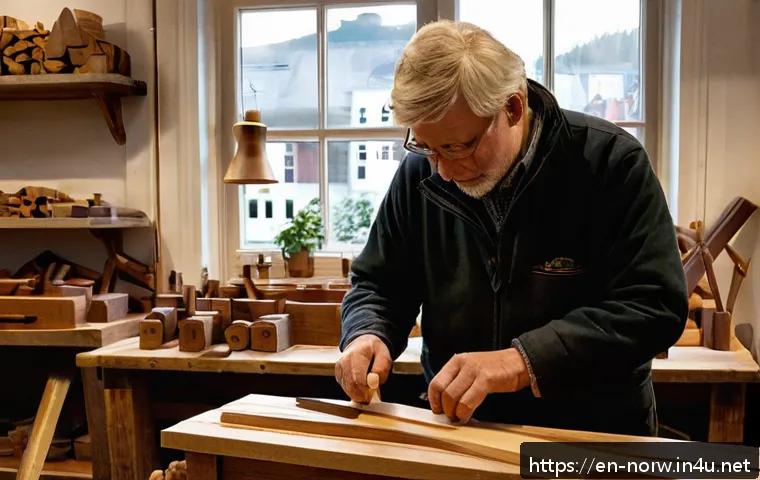
This mindful selection process is more than just practical; it’s a ritual that honors the environment and ensures longevity. When I visited a workshop in Bergen, the craftsman explained how they embrace every knot and imperfection as part of the wood’s character, rather than flaws to be erased.
This approach shifts the narrative from mass production to a more thoughtful, sustainable craft that feels alive and personal.
Techniques Passed Down Through Generations
What fascinates me most is how these traditional methods have survived centuries without losing relevance. Techniques like hand carving, steam bending, and precise joinery demand patience and a steady hand, qualities that machines simply can’t replicate.
I recall watching a master woodworker demonstrate the art of making a seamless dovetail joint—each cut deliberate, a dance between tool and timber. This hands-on expertise nurtures a connection between creator and material, fostering a level of quality and soulfulness that modern shortcuts fail to achieve.
It’s a reminder that slow, intentional work produces pieces that endure both time and trends.
Environmental Impact and Resourcefulness
Sustainability in Norwegian woodcraft goes beyond the choice of wood. It extends to minimizing waste and maximizing every part of the log. I was impressed by the efficient use of scraps—smaller pieces become intricate inlays or functional items like utensils and jewelry.
This zero-waste mindset reduces environmental strain and highlights the craftsman’s ingenuity. Additionally, many workshops now source timber from responsibly managed forests, ensuring that the cycle of growth and harvest remains balanced.
This conscious cycle feels like a blueprint for how traditional crafts can lead modern industries toward greener practices.
Modern Interpretations of Timeless Woodworking Styles
From Rustic to Minimalist: Adapting Heritage for Today
Walking through contemporary Scandinavian interiors, you can see how classic woodcraft elements have been reimagined with a fresh twist. The rugged textures and hand-hewn marks that once defined rustic furniture now pair beautifully with sleek, minimalist designs.
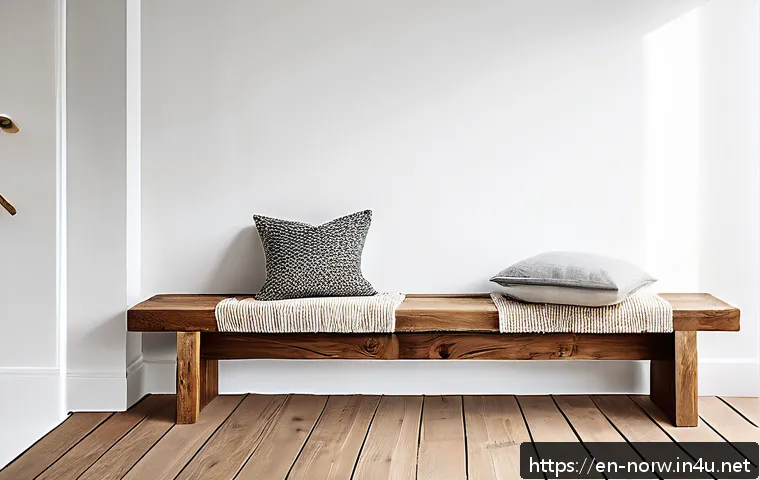
I’ve personally tried incorporating a hand-carved wooden bench into my living room, and it instantly brought warmth and authenticity to the space. The balance between old-world charm and modern simplicity creates an inviting environment that feels both grounded and stylish.
Innovative Uses of Traditional Techniques
Some designers push boundaries by combining age-old woodworking methods with new technologies like CNC machining and digital design tools. This fusion allows for precision and complexity while preserving the handcrafted spirit.
For example, I recently came across a collection where laser-cut patterns echo traditional Norwegian motifs but with contemporary geometries. It’s exciting to see how artisans respect their roots yet aren’t afraid to experiment, resulting in furniture and décor that speak to both history lovers and modern aesthetes.
Customization and Personal Stories Embedded in Design
One of the most rewarding aspects of Norwegian-inspired woodwork is the opportunity for personalized storytelling. Many craftsmen offer bespoke pieces that reflect a client’s heritage or favorite landscapes through intricate carvings or choice of wood.
I worked with a designer who incorporated family initials and symbolic imagery into a custom dining table, turning a functional item into a cherished heirloom.
This personal touch strengthens the emotional bond between people and their living spaces, making the woodwork more than just décor but a living memory.
Key Characteristics of Norwegian Woodwork Traditions and Their Modern Impact
| Characteristic | Traditional Approach | Modern Adaptation |
|---|---|---|
| Material Selection | Locally sourced, handpicked timber with natural imperfections | Certified sustainable wood, often combined with engineered materials for durability |
| Joinery Techniques | Hand-cut dovetails, mortise and tenon joints | Precision-cut joints using CNC machines, maintaining handcrafted appearance |
| Surface Finishing | Natural oils and waxes, minimal chemical treatment | Eco-friendly finishes that enhance durability while preserving natural look |
| Design Motifs | Traditional geometric and nature-inspired carvings | Abstracted patterns inspired by heritage, integrated with modern aesthetics |
| Waste Management | Utilization of all wood parts, including scraps for smaller crafts | Zero-waste production philosophies, recycling, and upcycling |
How Norwegian Woodwork Enhances Contemporary Interior Spaces
Creating Warmth and Texture
In my experience, incorporating Norwegian woodwork into interiors instantly transforms cold or sterile rooms into cozy retreats. The natural warmth of wood, combined with its tactile textures, invites touch and interaction.
Whether it’s a sculptural chair or a rough-hewn shelving unit, these elements break the monotony of smooth surfaces and synthetic materials. It’s a subtle but powerful way to humanize a space, making it feel lived-in and welcoming, especially in minimalist or modern homes where warmth can sometimes be missing.
Versatility Across Styles and Functions
Norwegian woodworking isn’t confined to one style or use. I’ve seen it adapt beautifully across rustic cabins, urban lofts, and even corporate offices.
Its versatility lies in the balance between form and function—each piece serves a practical purpose while also acting as an artistic statement. For instance, a classic wooden chest can be a storage solution in a family room or a striking coffee table in a boutique hotel lobby.
This adaptability makes it a valuable addition for anyone looking to blend tradition with contemporary needs.
Longevity and Emotional Value
Investing in handcrafted wooden pieces means embracing furniture that ages gracefully and gains character over time. From my own experience, a wooden chair or table that’s been carefully maintained becomes more than just an object—it turns into a repository of memories, stories, and daily life.
This sense of permanence contrasts sharply with disposable, fast-furniture trends, encouraging a mindset of care, repair, and appreciation. It’s a sustainable choice not just environmentally but emotionally.
The Revival of Craftsmanship in the Digital Age
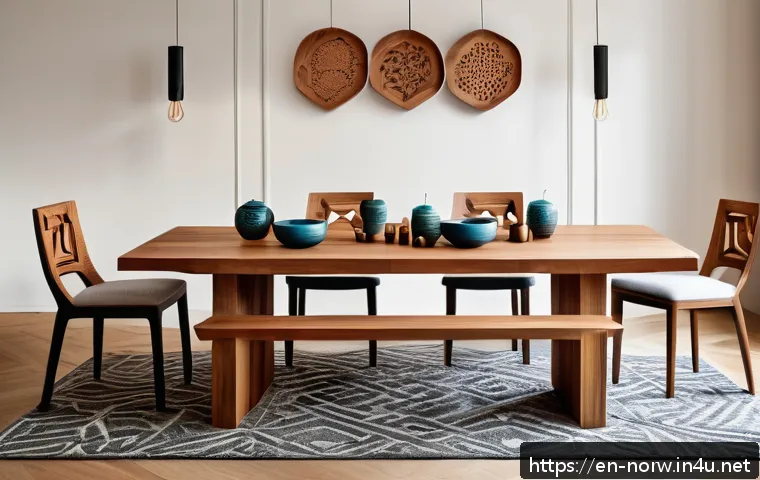
Learning and Sharing Through Online Platforms
Digital media has surprisingly played a big role in revitalizing interest in Norwegian woodcraft. I’ve noticed countless tutorials, virtual workshops, and artisan profiles that bring these traditions to a global audience.
Watching a master carver explain a technique on YouTube or Instagram feels like sitting beside them in the workshop. This accessibility has sparked a new wave of hobbyists and professionals eager to learn and preserve these skills, creating a vibrant community connected across continents.
Collaborations Between Artisans and Designers
One exciting trend is the collaboration between traditional craftsmen and contemporary designers. These partnerships often result in innovative pieces that respect the past while pushing creative boundaries.
I’ve attended exhibitions showcasing furniture that merges hand-carving with industrial design principles, revealing the endless potential when expertise meets experimentation.
Such collaborations not only keep the craft alive but also position it as a relevant, forward-looking art form.
Challenges and Opportunities for Future Generations
Despite the growing interest, sustaining these woodworking traditions faces challenges like aging artisan populations and economic pressures. However, I believe that integrating craftsmanship with modern business models—such as e-commerce, limited editions, and storytelling marketing—can open new avenues.
Young makers are increasingly motivated by values of sustainability and authenticity, which align perfectly with heritage woodcraft. Supporting education and apprenticeships is key to ensuring these skills don’t just survive but thrive.
Practical Tips for Incorporating Heritage Woodwork into Your Home
Start Small with Accent Pieces
If you’re new to this style, I recommend beginning with smaller items like wooden bowls, candle holders, or wall art. These pieces bring warmth and texture without overwhelming a space and are often more affordable.
Their handcrafted nature also sparks conversations and adds a personal touch.
Mix Old and New Thoughtfully
Balancing traditional woodwork with modern décor can be tricky but rewarding. I’ve found success pairing rustic wooden furniture with clean-lined textiles and metal accents.
This contrast highlights the craftsmanship while keeping the overall look fresh and contemporary.
Maintain and Celebrate Natural Imperfections
Don’t shy away from knots, cracks, or color variations—they’re part of the wood’s story. Proper care with natural oils and avoiding harsh chemicals preserves these characteristics and enhances the piece’s longevity.
Embracing imperfection creates an inviting, authentic atmosphere that mass-produced items can’t match.
In Conclusion
Exploring Norwegian woodworking reveals a beautiful harmony between tradition and innovation, where respect for nature meets skilled craftsmanship. This art form not only enriches interior spaces with warmth and authenticity but also offers a sustainable approach to design. Embracing these practices can inspire us to value quality, storytelling, and longevity in our everyday surroundings. Ultimately, it’s about creating pieces that carry meaning and stand the test of time.
Useful Information to Know
1. Start by adding small handcrafted wooden accents to your home to introduce warmth without overwhelming your space.
2. Combine traditional wooden pieces with modern décor to create a balanced and inviting atmosphere.
3. Appreciate natural imperfections in wood as unique features that tell a story and enhance character.
4. Seek out sustainably sourced or certified wood to support environmentally responsible craftsmanship.
5. Consider personalized or custom woodwork to embed meaningful stories and heritage into your living spaces.
Key Takeaways
Norwegian woodworking exemplifies the value of patience, sustainability, and personal connection in craftsmanship. Traditional techniques, when blended thoughtfully with modern tools, allow for innovative yet authentic designs. Incorporating these elements into interiors brings both functional beauty and emotional depth, while supporting eco-friendly practices helps preserve resources for future generations. By honoring heritage and embracing new possibilities, this craft remains relevant and inspiring today.
Frequently Asked Questions (FAQ) 📖
Q: uestionsQ1: How does traditional Norwegian woodcraft influence modern interior design?
A: Traditional Norwegian woodcraft brings a unique blend of history and artistry to modern interiors. The craftsmanship emphasizes natural materials, meticulous handwork, and timeless forms, which complement contemporary minimalist aesthetics beautifully.
Many designers find that incorporating these heritage techniques adds warmth, texture, and a story-driven element to spaces, creating interiors that feel both authentic and inviting.
Q: Are there sustainable benefits to using Norwegian woodcraft techniques in home decor?
A: Absolutely. Norwegian woodcraft is deeply rooted in sustainability, often utilizing locally sourced wood and eco-friendly finishes. The emphasis on durability and timeless design means pieces are made to last, reducing the need for frequent replacements.
This approach aligns perfectly with today’s eco-conscious mindset, making it an excellent choice for those looking to create environmentally responsible living spaces without sacrificing style.
Q: Can I incorporate Norwegian woodcraft elements into any style of home, or is it limited to Scandinavian design?
A: Norwegian woodcraft is incredibly versatile and can enhance various interior styles beyond just Scandinavian design. Whether your home leans toward rustic, modern, or even eclectic aesthetics, the natural textures and handcrafted details can add character and depth.
The key is to balance these elements thoughtfully, ensuring they complement your existing decor while bringing a touch of heritage and artisanal charm.