Norway’s fishing and seafood industry stands as a cornerstone of its economy, blending centuries-old traditions with cutting-edge technology. Known for its sustainable practices and rich marine biodiversity, the country consistently ranks among the world’s top seafood exporters.
From the icy fjords to the open ocean, Norwegian fisheries provide a vital source of income and employment for coastal communities. As global demand for high-quality seafood grows, Norway continues to innovate in aquaculture and wild catch management.
Let’s dive deeper and explore what makes Norway’s fisheries so unique and impactful. Stick with me to uncover the full story!
Innovations Driving Sustainable Aquaculture
Advances in Recirculating Aquaculture Systems (RAS)
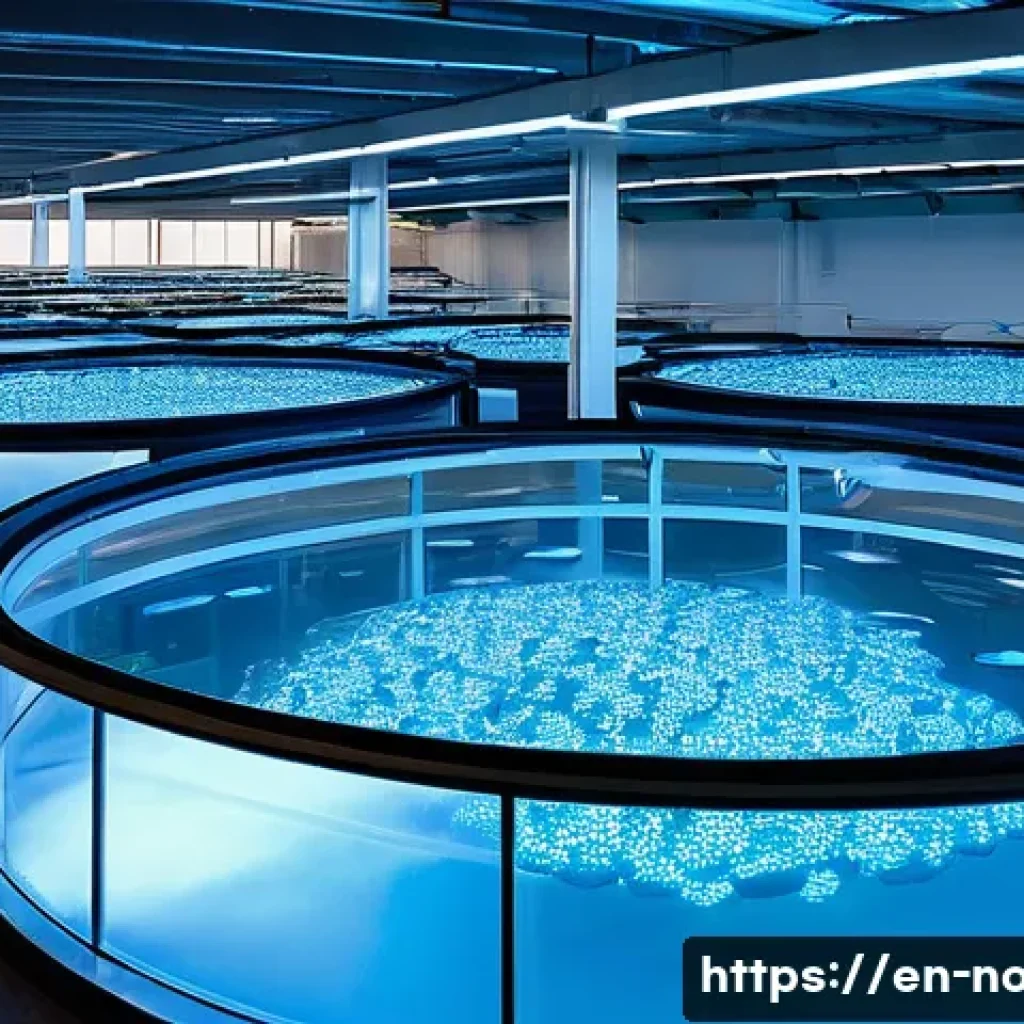
Recirculating Aquaculture Systems have revolutionized fish farming in Norway, enabling producers to raise fish in controlled, land-based environments.
Unlike traditional sea cages, RAS minimizes environmental impact by recycling water and maintaining optimal conditions for fish health. From my visits to several Norwegian aquafarms, I noticed how these systems reduce waste discharge and prevent escapes, which is a common problem with open-net pens.
This technology also allows year-round production, enhancing supply stability and quality control. The ability to tightly regulate temperature, oxygen, and feeding schedules means fish grow faster and healthier, which ultimately benefits both consumers and the environment.
Integration of AI and Robotics in Fish Farming
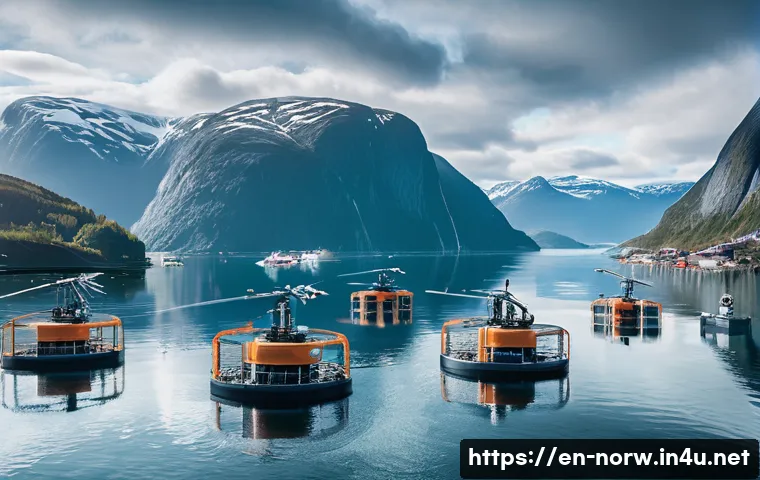
Norwegian aquaculture companies are at the forefront of adopting AI and robotics to improve efficiency and sustainability. Automated feeding systems, powered by AI, analyze fish behavior in real-time to deliver precise feed amounts, reducing waste and lowering feed costs.
Drones and underwater robots inspect fish cages regularly, spotting potential issues like net damage or disease outbreaks before they escalate. I remember hearing from a farm manager that these technologies have cut labor hours significantly while boosting fish welfare.
The integration of AI also helps in data collection for better decision-making, making Norwegian fish farms models of modern, sustainable practice.
Selective Breeding and Genetic Research
Selective breeding programs in Norway aim to enhance disease resistance and growth rates in species like Atlantic salmon. These programs are supported by cutting-edge genetic research, allowing breeders to identify desirable traits and propagate them efficiently.
When I spoke with researchers at a Norwegian institute, they emphasized that genetic improvements are carefully balanced with maintaining biodiversity and avoiding negative impacts on wild populations.
Such responsible genetic work helps reduce the reliance on antibiotics and other treatments, aligning with Norway’s commitment to eco-friendly aquaculture.
Balancing Wild Catch and Conservation Efforts
Strict Quota Systems for Sustainable Harvesting
Norway’s fisheries management employs rigorous quota systems designed to maintain fish stocks at healthy levels. These quotas are based on scientific assessments of fish populations and environmental conditions.
Coastal communities I’ve visited often express pride in how these limits protect their livelihoods for the long term. While quotas can sometimes be a contentious topic, the transparency and data-driven approach have fostered trust among fishers and regulators alike.
This balance ensures that fishing remains economically viable without compromising the ecosystem’s integrity.
Marine Protected Areas and Their Impact
To safeguard biodiversity, Norway has established numerous marine protected areas (MPAs) where fishing is restricted or prohibited. These zones act as refuges where marine life can thrive undisturbed, contributing to the overall health of adjacent fishing grounds.
During a recent boat tour near one such MPA, I observed the vibrant underwater life, a stark contrast to heavily fished zones nearby. The spillover effect from MPAs benefits fishers by replenishing stocks outside the protected areas, showing how conservation and industry interests can align.
Collaborative Research with Fishermen
Norway’s approach to fisheries research is notably inclusive, involving fishermen directly in data collection and decision-making. This collaboration creates a feedback loop where traditional knowledge complements scientific findings.
I found this particularly impressive because it empowers local communities and improves compliance with regulations. Fishermen’s firsthand experience helps identify emerging issues early, such as shifts in migration patterns or unexpected environmental changes, allowing for adaptive management strategies.
Economic Significance and Community Impact
Employment and Regional Development
Fishing and seafood processing are among the largest employers in Norway’s coastal regions, supporting tens of thousands of jobs. From what I’ve seen, these industries sustain small towns that might otherwise face economic decline.
Jobs range from catching and farming fish to processing, logistics, and export management. The seafood sector’s ripple effect extends to local businesses like equipment suppliers, restaurants, and tourism.
In many ways, the industry acts as the backbone of coastal economies, preserving cultural heritage while providing modern economic opportunities.
Export Markets and Global Reach
Norwegian seafood is highly prized worldwide, with major markets in the EU, the US, and Asia. The country’s reputation for quality, safety, and sustainability opens premium pricing opportunities that benefit producers and exporters.
Based on industry reports, salmon and cod are among the top export products, with consistent demand growth driven by health-conscious consumers. I’ve observed how exporters emphasize traceability and certification to meet international standards, which strengthens brand trust and market access.
This global footprint makes Norway a key player in the international seafood supply chain.
Value-Added Processing Innovations
Norwegian companies are increasingly investing in value-added processing to diversify product offerings and increase profitability. This includes ready-to-eat meals, smoked fish products, and innovative packaging that extends shelf life.
During a factory tour, I noticed how automation combined with artisanal techniques creates high-quality products tailored to evolving consumer preferences.
These innovations not only boost revenue but also reduce waste by utilizing more parts of the fish. The focus on premium, convenient seafood aligns well with global trends and helps Norwegian producers stay competitive.
Environmental Challenges and Adaptive Strategies
Addressing Climate Change Effects
The Norwegian fishing industry faces significant challenges from climate change, including shifting fish distributions and ocean acidification. From discussions with marine scientists, it’s clear that adaptive management is crucial to cope with these changes.
For instance, some fish species are moving northward, prompting adjustments in fishing zones and quotas. The industry also invests in research to understand climate impacts better and develop resilient farming practices.
Personally, I find it encouraging that the sector is proactive rather than reactive, aiming to safeguard both resources and livelihoods.
Combatting Marine Pollution
Pollution, especially microplastics and chemical contaminants, poses risks to fish health and seafood quality. Norwegian companies and regulators work hard to monitor and reduce pollution sources, including stricter controls on waste disposal and runoff.
In my experience, farms implement rigorous hygiene and water treatment protocols to minimize contamination risks. Public awareness campaigns also play a role in promoting ocean stewardship among local communities and consumers.
These efforts demonstrate Norway’s commitment to maintaining pristine marine environments essential for sustainable fisheries.
Managing Disease and Parasite Outbreaks
Disease outbreaks, such as sea lice infestations, remain a persistent concern in both wild and farmed fish populations. Norwegian aquaculture has developed integrated pest management strategies combining biological controls, vaccines, and selective breeding.
I recall speaking with a fish health expert who highlighted the importance of early detection and rapid response to prevent widespread losses. The industry’s transparency about health challenges and solutions builds consumer confidence and contributes to long-term sustainability.
Technological Infrastructure Supporting Fisheries
Advanced Monitoring and Data Systems
Norway’s fisheries benefit from sophisticated monitoring systems that track vessel locations, catch volumes, and environmental conditions in real-time.
These digital platforms enhance compliance with regulations and enable precise resource management. I’ve observed how fishermen use mobile apps connected to government databases to report catches instantly, streamlining oversight and data accuracy.
This transparency helps prevent illegal fishing and supports scientific assessments vital for sustainable quotas.
Cold Chain and Logistics Excellence
Maintaining freshness from catch to consumer is paramount, and Norway excels in cold chain logistics. Modern ports, refrigerated transport, and state-of-the-art processing facilities ensure seafood quality is preserved throughout the supply chain.
During a visit to a major export hub, I noticed how coordination between fishers, processors, and shippers minimizes delays and temperature fluctuations.
This infrastructure is a key factor behind Norway’s ability to deliver premium products to demanding international markets.
Renewable Energy Integration
Many fishing and aquaculture operations in Norway are adopting renewable energy sources, such as wind and hydropower, to reduce their carbon footprint.
This shift not only supports environmental goals but also lowers operational costs in the long run. I’ve been impressed by examples where farms integrate solar panels and energy-efficient technologies, demonstrating a commitment to green innovation.
Such efforts align with Norway’s broader sustainability agenda and appeal to eco-conscious consumers globally.
Global Influence and Future Prospects
Leadership in International Fisheries Governance
Norway plays a pivotal role in shaping global fisheries policies through active participation in regional fisheries management organizations and international treaties.
This leadership ensures that sustainability principles are upheld beyond its own waters. From what I gathered, Norway’s expertise in science-based management and stakeholder collaboration serves as a model for other nations.
Their diplomatic efforts also help combat illegal fishing and promote equitable resource sharing worldwide.
Expanding Aquaculture to New Species
The future of Norway’s seafood industry involves diversifying aquaculture beyond traditional species like salmon. Research into farming cod, halibut, and even shellfish is gaining momentum.
I’ve read about pilot projects exploring seaweed cultivation as well, which offers environmental benefits and new market opportunities. Expanding species variety helps spread risk and meet changing consumer demands, positioning Norway to remain competitive in a dynamic global market.
Investing in Workforce Development
Sustaining growth requires a skilled workforce, and Norway invests heavily in education and training for fisheries and aquaculture professionals. Technical schools, universities, and industry partnerships provide specialized curricula covering everything from marine biology to technology management.
During conversations with educators, I learned that hands-on experience and innovation are emphasized to prepare students for evolving industry challenges.
This focus on human capital ensures the sector’s resilience and ongoing leadership.
| Aspect | Key Features | Benefits |
|---|---|---|
| Recirculating Aquaculture Systems (RAS) | Land-based, water recycling, controlled environment | Reduced pollution, year-round production, better fish health |
| AI and Robotics | Automated feeding, drone inspections, real-time monitoring | Labor savings, improved welfare, early problem detection |
| Quota Management | Science-based limits, transparent enforcement | Stock sustainability, fisher compliance, ecosystem balance |
| Marine Protected Areas (MPAs) | Restricted fishing zones, biodiversity refuges | Stock replenishment, ecosystem protection, fishery benefits |
| Cold Chain Logistics | Refrigerated transport, modern ports, efficient processing | Product freshness, market access, premium pricing |
Conclusion
Innovations in aquaculture and fisheries management are shaping a sustainable future for the seafood industry. From advanced technologies to responsible conservation efforts, these strategies enhance productivity while protecting marine ecosystems. Norway’s model demonstrates how combining science, community involvement, and environmental stewardship can create lasting benefits for both people and the planet.
Useful Information to Remember
1. Recirculating Aquaculture Systems (RAS) enable fish farming in controlled, land-based environments, reducing pollution and improving fish health.
2. The use of AI and robotics in fish farming increases efficiency by automating feeding and monitoring, which lowers costs and boosts fish welfare.
3. Strict quota systems and marine protected areas help maintain healthy fish populations and support sustainable harvesting practices.
4. Norway’s seafood industry supports local economies through job creation, export markets, and innovative value-added products.
5. Addressing climate change, pollution, and disease requires adaptive management and ongoing research to ensure long-term sustainability.
Key Takeaways
Effective aquaculture and fisheries management rely on integrating cutting-edge technology with community engagement and environmental protection. Sustainable practices like RAS, AI-driven monitoring, and strict quotas safeguard marine resources while supporting economic growth. Collaborative research and renewable energy use further enhance resilience against environmental challenges. Overall, a balanced approach that respects both nature and industry needs is essential for thriving seafood sectors worldwide.
Frequently Asked Questions (FAQ) 📖
Q: What makes Norway’s fishing industry stand out compared to other countries?
A: Norway’s fishing industry is unique because it skillfully combines time-honored fishing traditions with the latest technology and sustainable practices.
Unlike many countries, Norway places a strong emphasis on protecting marine ecosystems while maximizing seafood production. Their advanced aquaculture techniques and strict regulations ensure fish stocks remain healthy, which benefits both the environment and the economy.
Plus, the stunning natural environment, from fjords to open seas, provides ideal conditions for thriving fisheries, making Norway a global leader in seafood quality and sustainability.
Q: How does Norway ensure the sustainability of its fisheries?
A: Sustainability is at the heart of Norway’s fisheries management. The country uses scientific data to carefully monitor fish populations and sets quotas to prevent overfishing.
They also invest heavily in eco-friendly aquaculture technologies that reduce environmental impact, such as closed fish farming systems that minimize pollution and disease spread.
Additionally, Norway collaborates with international bodies to enforce regulations and promote responsible fishing practices worldwide. From what I’ve seen, this proactive approach not only preserves marine biodiversity but also supports long-term economic growth for coastal communities.
Q: What role does the fishing industry play in Norway’s economy and local communities?
A: The fishing and seafood industry is a major economic driver in Norway, providing jobs and income for thousands of people, especially in coastal areas where alternative employment can be limited.
It supports a wide range of sectors, including processing, transportation, and export businesses. The industry’s success also helps fund research and innovation in marine sciences.
Personally, I’ve heard from locals that fishing isn’t just a livelihood—it’s a way of life deeply woven into Norwegian culture, creating a strong sense of community and pride.
This connection between people and the sea is a big part of what makes Norway’s fisheries so special.