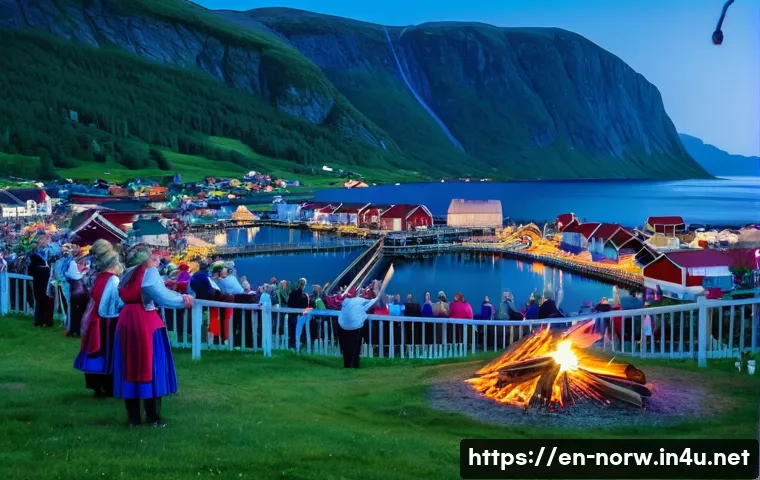
Norway’s traditional festivals are vibrant celebrations that beautifully showcase the country’s rich cultural heritage and deep-rooted customs. These events often blend centuries-old rituals with modern festivities, creating an atmosphere filled with music, dance, and colorful attire.
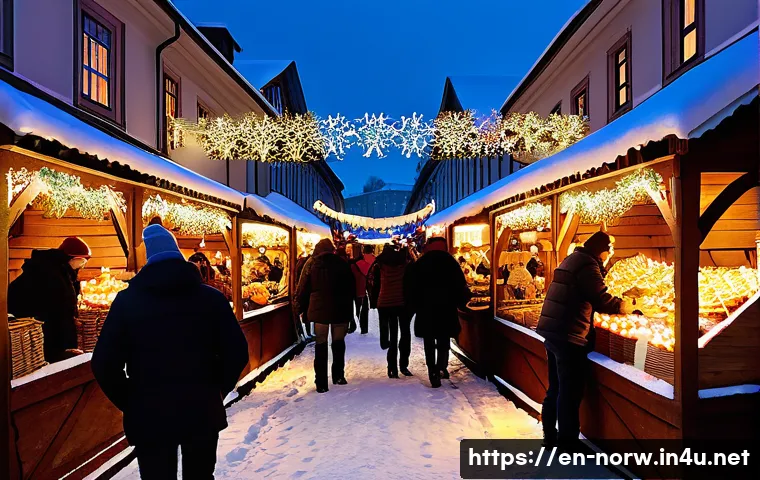
Whether it’s the lively folk dances or the hearty traditional foods, each festival offers a unique glimpse into Norwegian life and history. Experiencing these celebrations firsthand reveals the warmth and community spirit that Norwegians cherish.
If you’re curious about what makes these festivals so special, let’s dive deeper and explore the fascinating details together!
Celebrating Norway’s Seasonal Rhythms
The Magic of Midsummer Nights
Midsummer, or “Jonsok,” is more than just a date on the calendar in Norway; it’s a vibrant celebration that marks the height of summer’s light. This festival is deeply rooted in ancient pagan traditions, where communities gather to light massive bonfires, believed to ward off evil spirits and bring good fortune.
I remember attending a Midsummer event in a small coastal village, where the warmth from the fire blended perfectly with the midnight sun’s glow. Folk songs filled the air, and people wore bright, flower-adorned crowns that seemed to connect them to nature’s energy.
The atmosphere was electric yet intimate, making it clear why this festival holds such a special place in Norwegian hearts.
Winter’s Cozy Revelry: Advent and Christmas
Norwegians embrace winter festivals with a cozy spirit that contrasts the cold outside. Advent, leading up to Christmas, is marked by lighting candles, decorating with traditional crafts, and preparing hearty dishes like “lutefisk” and “ribbe.” The communal feel during this season is palpable; families and neighbors often gather to share stories and festive meals.
One unforgettable experience was visiting a Christmas market in Oslo, where wooden stalls offered handmade woolen goods and the scent of cinnamon and roasted almonds filled the air.
The blend of warmth, tradition, and festive cheer during this season highlights how Norwegians find light and joy even in the darkest months.
The Harvest Festival: A Toast to Abundance
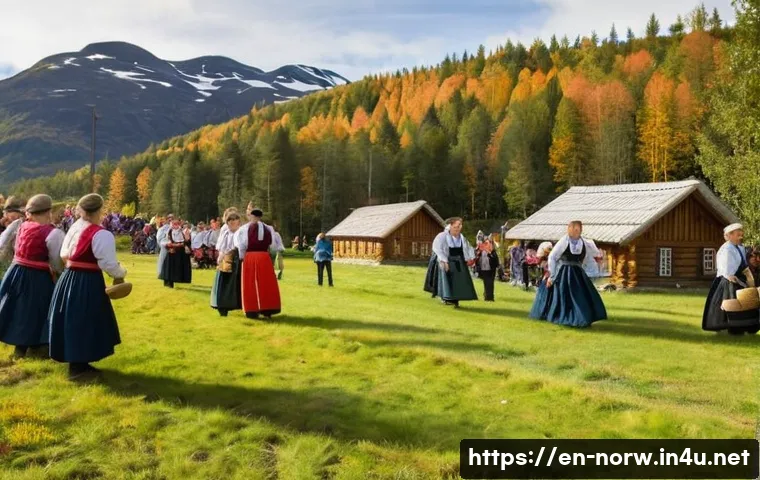
As summer fades, the harvest festival celebrates the fruits of the land with gratitude and joy. This event often features traditional foods like freshly baked bread, cured meats, and wild berries, showcasing Norway’s connection to its natural bounty.
In rural areas, the festival includes folk dancing and singing, with participants dressed in “bunad,” the traditional Norwegian costume. I once joined a harvest celebration in a mountain village where locals shared stories of their ancestors’ farming lives while we all enjoyed homemade apple cider.
The sense of continuity between past and present traditions was striking, emphasizing how these festivals preserve cultural identity through shared experiences.
Traditional Music and Dance: The Heartbeat of Festivities
Folk Instruments That Tell Stories
Norwegian festivals wouldn’t be complete without the haunting sounds of traditional instruments like the “Hardanger fiddle.” This unique violin variant, with its sympathetic strings, creates an echoing, mystical tone that perfectly accompanies folk dances and songs.
Having listened to a live Hardanger fiddle performance during a festival, I was moved by how the music seemed to carry centuries of stories and emotions.
The melodies often mimic natural sounds—like the rushing rivers or bird calls—making the music feel deeply connected to Norway’s landscapes and history.
Dance Traditions Passed Down Through Generations
Dancing at Norwegian festivals is a lively, inclusive affair where everyone can join in. The “springar” and “halling” are two popular traditional dances, each with distinctive rhythms and movements that showcase agility and joy.
During a festival I attended, older dancers taught younger generations the steps, highlighting how these dances act as a bridge linking young and old.
The social aspect of dance here is essential—it’s not just about performance but about community bonding and preserving heritage through shared movement and laughter.
Folk Costume: Dressing in History
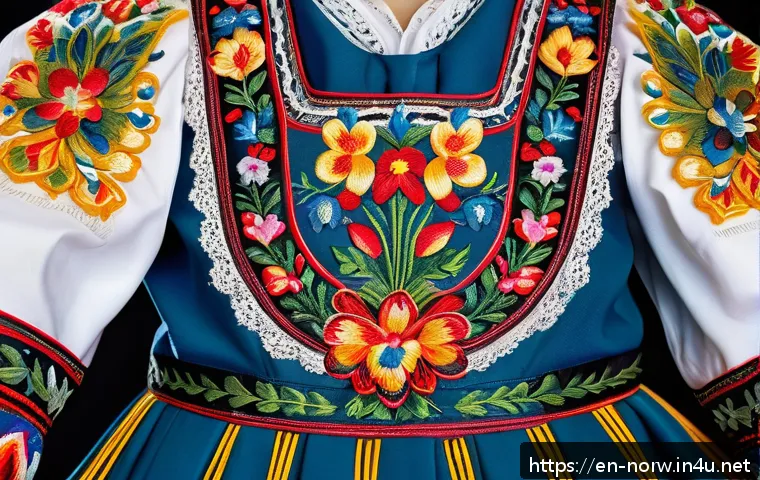
The “bunad,” Norway’s traditional costume, is more than festive attire—it’s a symbol of regional pride and history. Each design tells a story, with colors, embroidery, and patterns unique to specific areas.
Wearing a bunad at a festival feels like stepping into a living museum, where history is celebrated through fabric and craftsmanship. I recall how locals explained the significance of each detail, from the silver jewelry to the woven belts, revealing how these garments reflect family heritage and local identity.
Delicious Traditions: Tasting Norway’s Festival Flavors
Hearty Dishes That Warm the Soul
Norwegian festival foods are a delightful reflection of the country’s natural resources and culinary traditions. Staples like “smoked salmon,” “klippfisk” (dried cod), and “lefse” (a soft flatbread) are often served during celebrations.
I had the pleasure of tasting “raspeballer,” potato dumplings usually enjoyed in winter festivals, and the comforting, rustic flavors instantly brought a sense of home and tradition.
These dishes often come with stories passed down through generations, making every bite a connection to Norway’s past.
Sweet Treats and Festive Pastries
No festival is complete without sweets, and Norway offers a variety of pastries that add a sugary note to the celebrations. “Kransekake,” a towering almond ring cake, is a classic at weddings and national celebrations, symbolizing unity and prosperity.
Sampling “krumkake,” a delicate waffle cookie rolled into a cone, during a Christmas market was a highlight for me—the crisp texture and subtle sweetness paired perfectly with hot coffee.
These treats are more than desserts; they’re tokens of hospitality and joy.
Festival Drinks: From Traditional Brews to Modern Favorites
Whether it’s a glass of “akevitt,” a spiced spirit made from potatoes and herbs, or locally brewed craft beers, festival drinks play a key role in Norwegian celebrations.
I found that sharing a toast with locals during a festival not only warmed the body but also created a sense of camaraderie. Non-alcoholic options like homemade berry juices and warm gløgg (mulled wine) are equally popular, ensuring everyone can join in the festive spirit.
Community and Storytelling: The Social Fabric of Festivals
Oral Traditions and Folklore
Many Norwegian festivals revolve around storytelling, where myths and legends come alive through oral traditions. Tales of trolls, sea creatures, and heroic ancestors are recounted around bonfires or during communal meals, weaving a rich tapestry of cultural memory.
I once joined a storytelling circle where the narrator’s vivid descriptions and expressive voice made the ancient tales feel incredibly real, fostering a deep appreciation for Norway’s folklore.
Family and Intergenerational Bonds
Festivals in Norway are often family-centered events, bringing multiple generations together to celebrate shared heritage. I noticed how grandparents would teach grandchildren traditional songs or crafts, ensuring that customs are passed on naturally.
This intergenerational exchange not only preserves traditions but strengthens family bonds, creating a sense of belonging and identity that lasts beyond the festival days.
Volunteer Spirit and Local Involvement
Behind every Norwegian festival is a strong volunteer culture. Locals pitch in to organize, prepare food, decorate, and run activities, demonstrating a communal spirit that is inspiring to witness.
During one festival, I volunteered to help with setup and was amazed at how everyone’s enthusiasm and teamwork created such a welcoming and joyous environment.
This involvement fosters pride and ownership, making festivals a true reflection of community life.
Iconic Norwegian Festivals: A Snapshot
Distinctive Features of Major Celebrations
Norway’s festivals vary widely, each with its own unique traditions and highlights. For instance, the Sami people celebrate “Sami National Day” with reindeer races and joik singing, while the city of Bergen hosts the lively “Bergen International Festival” blending traditional and contemporary arts.
Understanding these differences reveals how diverse and dynamic Norway’s cultural scene is.
Timing and Regional Variations
The timing of festivals often aligns with seasonal changes and agricultural cycles, but regional variations add local flavor. Coastal communities might celebrate fishing-related festivals, while inland areas focus on farming traditions.
Experiencing these regional nuances firsthand gives a richer, more textured understanding of Norwegian culture.
How Festivals Reflect Norwegian Values
At their core, Norwegian festivals emphasize values like respect for nature, community cohesion, and cultural preservation. The celebrations foster a sense of identity and continuity that resonates deeply with participants and visitors alike.
This holistic approach to festivity is something I found uniquely moving and meaningful.
| Festival | Main Activities | Typical Foods | Region |
|---|---|---|---|
| Midsummer (Jonsok) | Bonfires, folk dancing, singing | Grilled fish, berries | Nationwide, coastal focus |
| Advent and Christmas | Candle lighting, markets, caroling | Lutefisk, ribbe, krumkake | Nationwide |
| Harvest Festival | Folk dances, communal meals | Apple cider, homemade bread | Rural mountain villages |
| Sami National Day | Reindeer races, joik singing | Reindeer meat dishes | North Norway |
| Bergen International Festival | Concerts, theater, art exhibitions | Seafood specialties | Bergen |
Craftsmanship and Artistic Expressions in Festivals
Handmade Decorations and Artifacts
Norwegian festivals are visually stunning partly because of the handcrafted decorations that adorn event spaces. From intricately woven wreaths to carved wooden figures, these items reflect traditional craftsmanship passed down through generations.
Attending a festival where artisans demonstrated their skills made me appreciate the patience and artistry involved in preserving these crafts.
Textile Traditions: Weaving and Embroidery
Textiles play a crucial role in festival attire and decorations. Techniques like weaving and embroidery are not only artistic expressions but also cultural records, with patterns often symbolizing stories or local identity.
Watching a master embroiderer at work during a festival was mesmerizing, revealing how each stitch carries meaning and history.
Modern Interpretations of Tradition
While rooted in history, many Norwegian festivals embrace contemporary art and innovation. This blend keeps the traditions alive and relevant for younger generations.
For example, I saw a festival performance where traditional folk music was combined with modern electronic elements, creating a fresh and exciting experience that honored the past while looking forward.
Outdoor Adventures and Festival Experiences
Nature as a Festival Venue
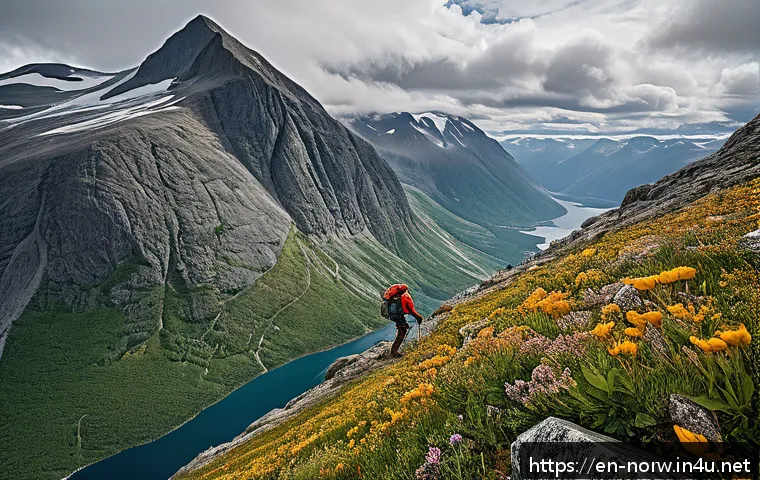
Many Norwegian festivals take place in breathtaking natural settings—fjords, mountains, and forests—making the environment an integral part of the celebration.
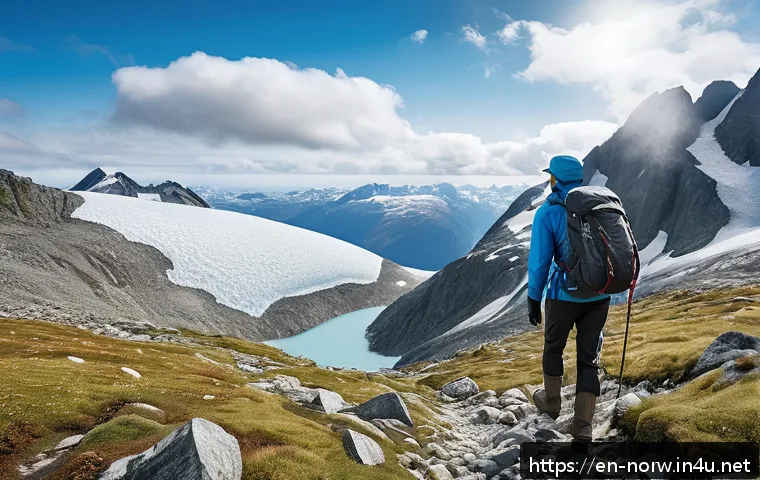
I remember hiking to a remote mountain festival where the stunning landscape amplified the sense of connection to nature and tradition. This outdoor element adds a unique dimension to the festivities, blending cultural and natural heritage.
Active Participation and Workshops
Festivals often invite visitors to actively engage through workshops in crafts, dance, or cooking. Participating in a traditional knitting workshop taught me not only the technique but also the stories behind the patterns.
These hands-on experiences create lasting memories and a deeper appreciation for the culture.
Family-Friendly Outdoor Activities
Many festivals include activities designed for families and children, such as nature walks, storytelling sessions, and traditional games. These elements ensure that the festive spirit is accessible to all ages, fostering early connections to cultural heritage.
Watching children eagerly learn folk dances or try traditional foods was heartwarming and showed how traditions continue to thrive.
Keeping Traditions Alive in a Modern World
Education and Cultural Preservation
Norway places strong emphasis on teaching cultural traditions in schools and communities, ensuring that knowledge is passed on. Festivals serve as living classrooms where history and customs are experienced firsthand.
I’ve seen how this educational focus helps young Norwegians embrace their heritage with pride and enthusiasm.
Balancing Authenticity with Innovation
Maintaining authenticity while adapting to contemporary tastes is a delicate balance. Festival organizers often face the challenge of preserving core traditions without becoming stagnant.
From what I’ve observed, successful festivals honor their roots while inviting new interpretations, keeping the celebrations vibrant and relevant.
The Role of Tourism and Global Interest
Norway’s festivals attract visitors worldwide, which brings both opportunities and challenges. Tourism helps sustain festivals financially and broadens cultural exchange, but it also requires careful management to avoid commercialization.
Experiencing these events as a respectful visitor highlighted the importance of mindful participation that honors the spirit of the festival.
Unique Festival Traditions That Surprise Visitors
The Stave Church Festivals
Some festivals take place near Norway’s iconic stave churches, combining religious history with cultural celebration. These events often feature medieval music and traditional rites, offering a glimpse into Norway’s medieval past.
I attended one such festival and was struck by the powerful atmosphere created by the ancient wooden architecture and haunting chants.
The Role of Sami Culture in National Festivities
The indigenous Sami people bring distinctive customs to Norway’s festival scene, enriching it with their language, clothing, and rituals. Their drum dances and joik singing introduce visitors to a culture deeply connected to nature and spirituality.
Witnessing a Sami festival was a moving experience, highlighting the diversity within Norway’s cultural tapestry.
Fire Festivals and Light Rituals
Fire and light play symbolic roles in many Norwegian festivals, often representing renewal, protection, and hope. From bonfires at Midsummer to candlelight processions during Advent, these rituals create a sense of magic and community.
Experiencing these luminous moments firsthand left a lasting impression of warmth and shared humanity amidst the vast Norwegian landscapes.
In Closing
Norway’s festivals beautifully weave together nature, tradition, and community, creating unforgettable experiences that celebrate life’s rhythms. From the glowing bonfires of Midsummer to the heartfelt gatherings of Christmas, these celebrations offer a deep connection to heritage and the environment. Embracing both ancient customs and modern touches, Norway’s festive spirit warmly invites everyone to join in the joy and meaning of its seasonal rhythms.
Useful Information to Remember
1. Norwegian festivals are deeply connected to the seasons, reflecting the country’s natural cycles and cultural heritage.
2. Traditional music, dance, and costumes like the Hardanger fiddle and bunad play vital roles in expressing regional identities.
3. Festival foods and drinks, from smoked salmon to akevitt, provide a taste of Norway’s rich culinary traditions and hospitality.
4. Community involvement and intergenerational participation ensure these celebrations remain vibrant and meaningful.
5. Many festivals take place outdoors in stunning natural settings, offering a unique blend of cultural and environmental appreciation.
Key Takeaways
Norwegian festivals embody respect for nature, strong community bonds, and a commitment to preserving cultural heritage. They balance authenticity with innovation to stay relevant, welcoming both locals and visitors with open arms. Active participation and storytelling keep traditions alive, while the festival atmosphere fosters warmth and connection even in the coldest months. Experiencing these celebrations offers insight into Norway’s values and a genuine sense of belonging.
Frequently Asked Questions (FAQ) 📖
Q: What are some of the most popular traditional festivals in Norway?
A: Norway hosts several lively traditional festivals, with the most famous being the Sami Easter Festival, celebrating the indigenous Sami culture with reindeer racing and joik singing.
Another standout is the Bergen International Festival, which blends classical music, theater, and folk dance. The Norwegian Constitution Day on May 17th is arguably the biggest, marked by vibrant parades, traditional costumes called bunads, and community gatherings.
Each of these festivals offers a unique way to experience Norway’s cultural richness and longstanding traditions.
Q: What kind of traditional foods can I expect at Norwegian festivals?
A: When attending Norwegian festivals, you’re in for a treat with hearty, comforting dishes. Popular festival foods include smoked salmon, lefse (a soft flatbread), and various cured meats like fenalår (dried lamb).
You’ll also find sweet treats like krumkake, a delicate waffle cookie, and svele, a thick, fluffy pancake often enjoyed with jam and butter. These foods aren’t just tasty—they carry deep cultural significance and are often prepared using recipes passed down through generations.
Q: How do Norwegians typically dress for these traditional celebrations?
A: Dressing up is a big part of Norway’s festival culture, with many people proudly wearing their bunads. These traditional costumes vary by region and feature intricate embroidery, silver jewelry, and vibrant colors.
Wearing a bunad is more than just fashion—it’s a symbol of heritage and pride. Even if you don’t have a bunad, festival-goers often dress smartly or in colorful attire to match the joyful atmosphere.
From personal experience, seeing entire families in bunads really enhances the sense of community and tradition during these events.