In today’s fast-paced world, there’s something truly refreshing about slowing down to appreciate the timeless artistry found in Norwegian traditional crafts.
As cultural heritage gains renewed attention globally, these handcrafted treasures offer more than just beauty—they tell stories of generations past. Whether it’s the intricate patterns woven into textiles or the delicate wood carvings, each piece carries a unique narrative that connects us to Norway’s rich history.
Join me as we explore these captivating crafts and uncover the cultural tales they preserve, offering a meaningful escape from modern life. You’ll be surprised how these traditions continue to inspire creativity and pride today.
The Living Legacy of Norwegian Textile Artistry
Weaving Stories Through Fabric
Norwegian textiles are far more than mere cloth; they are vibrant storytellers woven with tradition and deep symbolism. Patterns like the intricate rosemaling and the bold geometric designs have been passed down through countless generations, each stitch reflecting the artisan’s connection to place and family.
When you hold a piece of Norwegian woven fabric, you’re literally touching a living archive of cultural memory. The colors and motifs are not random but carefully chosen to represent natural elements, local folklore, or social status.
It’s fascinating how these textiles have survived modern industrialization, still crafted by hand in small communities, keeping their heritage alive with every thread.
The Art of Embroidery and its Symbolism
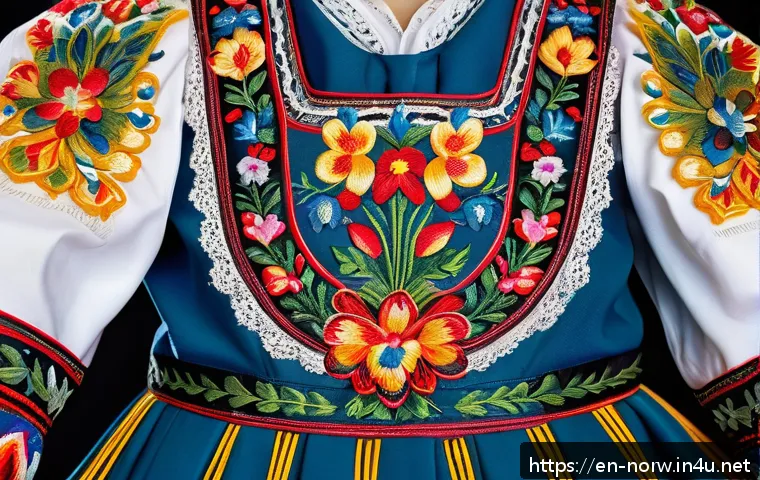
Embroidery in Norway is a delicate art form, often used to embellish traditional costumes known as bunads. These embroidered details do more than decorate—they convey identity, telling others which region or even which family the wearer belongs to.
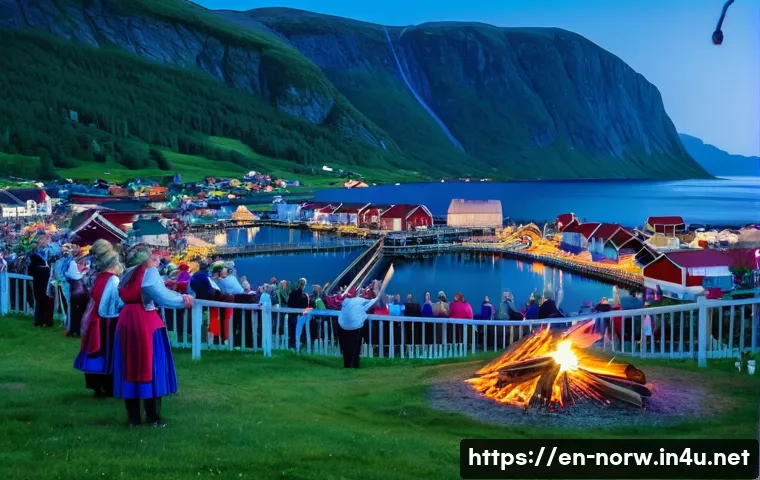
I remember attending a local festival where each bunad was a showcase of pride, with embroidery so fine it looked like lacework. The patterns often include stylized flowers, leaves, and mythical creatures, each with symbolic meanings like protection or fertility.
It’s a craft that requires patience and precision, and many artisans learn it from elders, preserving techniques that are centuries old.
Textile Craftsmanship Through Generations
What’s truly remarkable is how textile craftsmanship is a living tradition in many Norwegian communities. It’s common to find workshops where grandmothers teach grandchildren how to spin wool, dye fibers using natural plants, and weave on traditional looms.
Experiencing this hands-on connection to the past is what makes these crafts so special. The sense of continuity, the passing of skills from one generation to another, creates a powerful link to ancestors.
It’s not just about making beautiful objects but about nurturing identity and belonging.
Woodcarving: Norway’s Timeless Craft
From Everyday Tools to Masterpieces
Norwegian woodcarving has always been both practical and artistic. Historically, villagers carved everything from utensils and furniture to intricate decorative panels for stave churches.
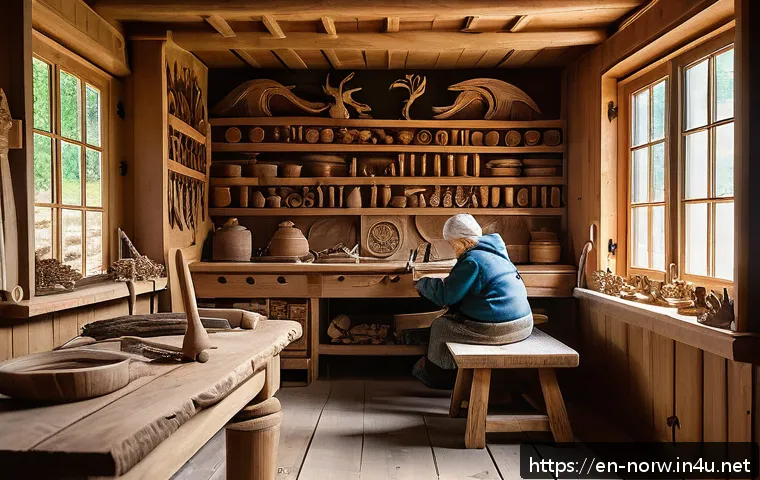
What amazed me the most during a visit to a rural workshop was how these artisans transform simple wood into living art. The carvings are rich with symbolic motifs—dragons, vines, and mythical beasts—that tell stories of protection, faith, and nature’s power.
Unlike mass-produced items, each carved piece is unique, bearing the distinct touch of its maker’s hand and spirit.
The Techniques Behind the Craft
Woodcarving in Norway involves a blend of traditional tools and time-honored techniques that have remained largely unchanged for centuries. Carvers typically use knives, chisels, and gouges, working slowly to coax out intricate patterns from soft woods like pine or birch.
The process requires immense skill and patience, especially when working on architectural elements or ceremonial objects. I’ve tried my hand at carving myself and quickly realized how demanding the craft is—it’s an art that calls for respect, precision, and a deep understanding of the wood’s natural grain.
Preserving Woodcarving Traditions in Modern Times
Today, woodcarving remains a vital part of Norway’s cultural identity. Many artisans are committed to keeping this heritage alive by offering workshops, exhibitions, and custom commissions.
It’s inspiring to see how modern woodcarvers blend traditional designs with contemporary aesthetics, creating pieces that appeal to both locals and collectors worldwide.
This fusion ensures that the craft stays relevant while honoring its roots. For anyone fascinated by hands-on artistry, visiting a woodcarving studio in Norway offers a rare glimpse into a craft that connects past and present in every carved curve.
Norwegian Traditional Jewelry: More Than Ornamentation
Symbols Worn with Pride
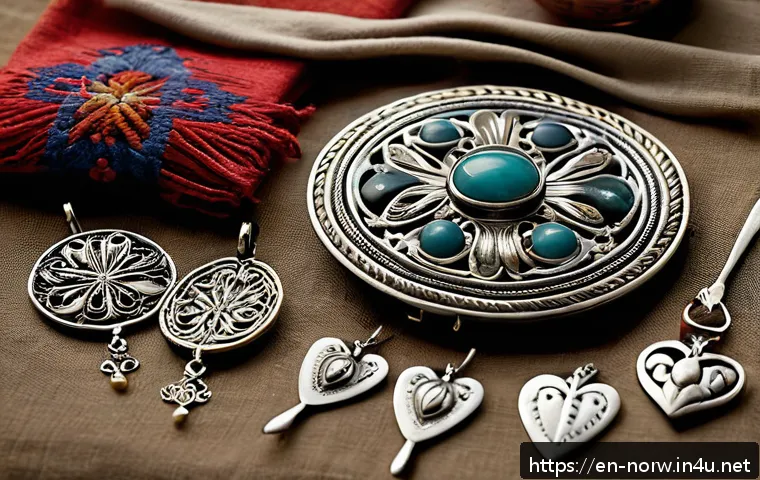
Norwegian traditional jewelry, especially silver pieces like the iconic sølje brooches, are rich in symbolism and craftsmanship. These items are often worn during special occasions, serving as a visual narrative of heritage and family history.
When I first encountered sølje, I was struck by their delicate filigree work and dangling spoons—each element believed to ward off evil spirits and bring good fortune.
Wearing such jewelry today is not only about adornment but also a statement of cultural pride and identity, a way to keep ancestral stories close.
The Craftsmanship Behind Traditional Jewelry
Creating Norwegian traditional jewelry involves meticulous handwork, including filigree, engraving, and soldering. Artisans often spend hours perfecting each piece, ensuring that it maintains authenticity and quality.
This level of dedication is something I truly admire because it reflects a respect for tradition and the wearer’s connection to their lineage. It’s fascinating to learn that many jewelers still rely on techniques passed down through generations, often training apprentices to sustain these skills.
Jewelry as a Cultural Heirloom
These pieces are more than accessories; they are heirlooms passed from one generation to the next, carrying stories and memories along with them. In many families, a sølje brooch or a silver ring holds sentimental value beyond its material worth.
I’ve heard touching stories from Norwegians who treasure their jewelry not only for its beauty but because it represents their family’s journey through time.
This emotional connection adds a profound layer of meaning to the craftsmanship, making these objects irreplaceable treasures.
The Role of Folk Art in Everyday Norwegian Life
Art That Breathes in Daily Routines
Folk art in Norway isn’t confined to museums or special occasions; it permeates everyday life in subtle yet meaningful ways. From painted furniture and household utensils to festive decorations, these artistic expressions enrich daily experiences with color and history.
I’ve stayed in traditional Norwegian homes where every corner reflected folk motifs—floral patterns on cupboards, painted chests, or hand-carved door handles.
These details create a warm, inviting atmosphere, reminding residents and visitors alike of their cultural roots.
Community and Craftsmanship
What I found most heartwarming is how folk art fosters community connections. Local craft fairs and markets are lively events where artisans share their work, exchange techniques, and celebrate their heritage together.
These gatherings are more than commercial—they’re social hubs that strengthen communal bonds. For many Norwegians, participating in folk art activities is a way to engage with their history while building friendships and supporting local economies.
Keeping Traditions Alive Through Education
Education plays a crucial role in sustaining folk art traditions. Schools and cultural centers often offer classes where young people learn traditional painting, carving, or weaving techniques.
I’ve witnessed how these programs not only teach skills but also instill pride and a sense of identity in the next generation. By blending hands-on learning with storytelling, educators help ensure that folk art remains a vibrant, evolving part of Norwegian culture rather than a relic of the past.
Natural Materials and Sustainability in Craft
Harvesting from Norway’s Abundant Nature
One of the things that really struck me about Norwegian traditional crafts is their intimate relationship with nature. Artisans often source materials like wool, wood, and natural dyes directly from their surroundings, ensuring their work is sustainable and environmentally friendly.
For example, sheep farming not only provides wool but also supports a cycle of land stewardship that has been practiced for centuries. This close connection to nature makes each craft piece a reflection of its environment, embodying the rhythms and resources of the land.
Eco-Friendly Practices in Modern Craftsmanship
Today, many Norwegian craft makers embrace sustainability wholeheartedly. They prioritize natural fibers, use plant-based dyes, and recycle wood scraps, all while maintaining traditional techniques.
This eco-conscious approach resonates deeply in a world increasingly concerned with environmental impact. When I visited a textile workshop that dyes wool using local berries and tree bark, I was amazed by the vibrant colors they achieved without synthetic chemicals.
This fusion of tradition and sustainability is a beautiful example of how heritage crafts can adapt to modern values.
The Value of Slow Craft in a Fast World
In a society that often favors speed and mass production, slow craft offers a refreshing alternative. Norwegian artisans invest time and care into every step of their process, creating pieces that last a lifetime rather than fleeting trends.
This philosophy not only preserves cultural heritage but also promotes mindful consumption. From my experience, owning a handcrafted item like a handwoven blanket or a carved wooden bowl brings a unique joy and connection that mass-produced goods simply can’t replicate.
It’s a reminder that quality and meaning are worth the wait.
How Traditional Crafts Inspire Contemporary Creativity
Blending Old and New
Contemporary Norwegian artists and designers often draw inspiration from traditional crafts, blending ancient motifs and techniques with modern aesthetics.
This creative dialogue results in innovative products that appeal to global audiences while honoring their roots. I’ve seen fashion designers incorporate traditional embroidery into sleek, modern garments and furniture makers use woodcarving patterns in minimalist designs.
This fusion keeps the crafts relevant and exciting, bridging past and present in unexpected ways.
Craftsmanship as a Source of National Pride
Traditional crafts have become powerful symbols of Norwegian identity and pride. They represent resilience, creativity, and a deep respect for history.
During national celebrations or cultural festivals, craftspeople showcase their work with enthusiasm, reminding everyone of the rich legacy they carry forward.
From my conversations with locals, it’s clear that this pride fuels a vibrant crafts community dedicated to both preservation and innovation.
Opportunities for Craft Tourism
The growing interest in authentic cultural experiences has led to an increase in craft tourism in Norway. Visitors can participate in workshops, visit artisan studios, and purchase handmade goods directly from makers.
This immersive approach not only supports local economies but also fosters cross-cultural understanding. I personally found these experiences incredibly rewarding—they offered a chance to connect with artisans, learn hands-on skills, and gain a deeper appreciation for Norway’s cultural treasures.
| Craft Type | Materials Used | Common Motifs | Modern Adaptations |
|---|---|---|---|
| Textiles | Wool, natural dyes | Geometric patterns, floral, rosemaling | Contemporary fashion, home décor |
| Woodcarving | Pine, birch wood | Dragons, vines, mythical beasts | Furniture, art installations |
| Jewelry | Silver, filigree | Sølje spoons, floral designs | Modern accessories, heirloom reproductions |
| Folk Art | Paint, wood | Floral motifs, traditional symbols | Decorative objects, educational programs |
Closing Thoughts
Norwegian traditional crafts embody a rich cultural heritage that continues to thrive through dedicated artisans and communities. These crafts are more than objects; they are living connections to history, identity, and nature. Experiencing them firsthand reveals the passion and skill involved in preserving these timeless traditions. As modern creativity embraces these roots, Norwegian crafts remain vibrant and meaningful in today’s world.
Useful Information to Remember
1. Norwegian textiles use natural materials and symbolic patterns that reflect local stories and family heritage.
2. Woodcarving techniques have been passed down for centuries, blending artistry with practical uses.
3. Traditional jewelry like sølje brooches carry deep cultural significance and are treasured heirlooms.
4. Folk art enriches everyday life in Norway, fostering community ties through shared creativity.
5. Sustainability is central to Norwegian crafts, with artisans prioritizing eco-friendly materials and slow, mindful production.
Key Takeaways
Traditional Norwegian crafts are living arts that connect past and present through skilled hands and meaningful symbolism. They support cultural identity, community engagement, and environmental responsibility. Embracing both heritage and innovation, these crafts offer unique experiences that highlight the value of quality, storytelling, and sustainability in a rapidly changing world.
Frequently Asked Questions (FAQ) 📖
Q: uestionsQ1: What makes Norwegian traditional crafts unique compared to other cultural crafts?
A: Norwegian traditional crafts stand out because of their deep connection to the country’s natural environment and historical lifestyle. The use of local materials like wood, wool, and natural dyes, combined with techniques passed down through generations, creates pieces that are both functional and artistically rich.
These crafts often feature intricate patterns inspired by nature and Viking heritage, which reflect a strong sense of identity and storytelling. Having personally explored these crafts, I found that each item feels like a bridge to the past, offering a tangible link to Norway’s cultural roots that you don’t often find elsewhere.
Q: How are these traditional crafts relevant to modern life and creativity today?
A: Although rooted in history, Norwegian traditional crafts continue to inspire modern artists and designers worldwide. Their emphasis on craftsmanship, sustainability, and natural materials aligns perfectly with today’s growing interest in eco-friendly and handmade products.
From fashion to home decor, many contemporary creators incorporate traditional patterns and techniques into their work, blending old and new in exciting ways.
When I tried using some traditional weaving methods myself, it sparked a fresh appreciation for slow, mindful creativity that contrasts sharply with our fast-paced digital world.
Q: Where can I experience or purchase authentic Norwegian traditional crafts?
A: Authentic Norwegian crafts can be found in specialized boutiques, museums, and cultural festivals throughout Norway, especially in regions like Telemark and Setesdal known for their rich craft traditions.
Many artisans also sell their work online through reputable platforms that focus on handmade and fair-trade goods. If you’re visiting Norway, I highly recommend stopping by local craft markets or workshops where you can meet the makers, learn about their techniques firsthand, and even try your hand at crafting.
This immersive experience adds a whole new level of appreciation and makes owning a piece of Norwegian heritage truly special.