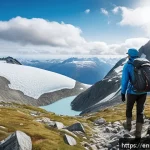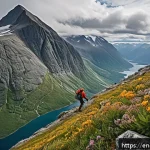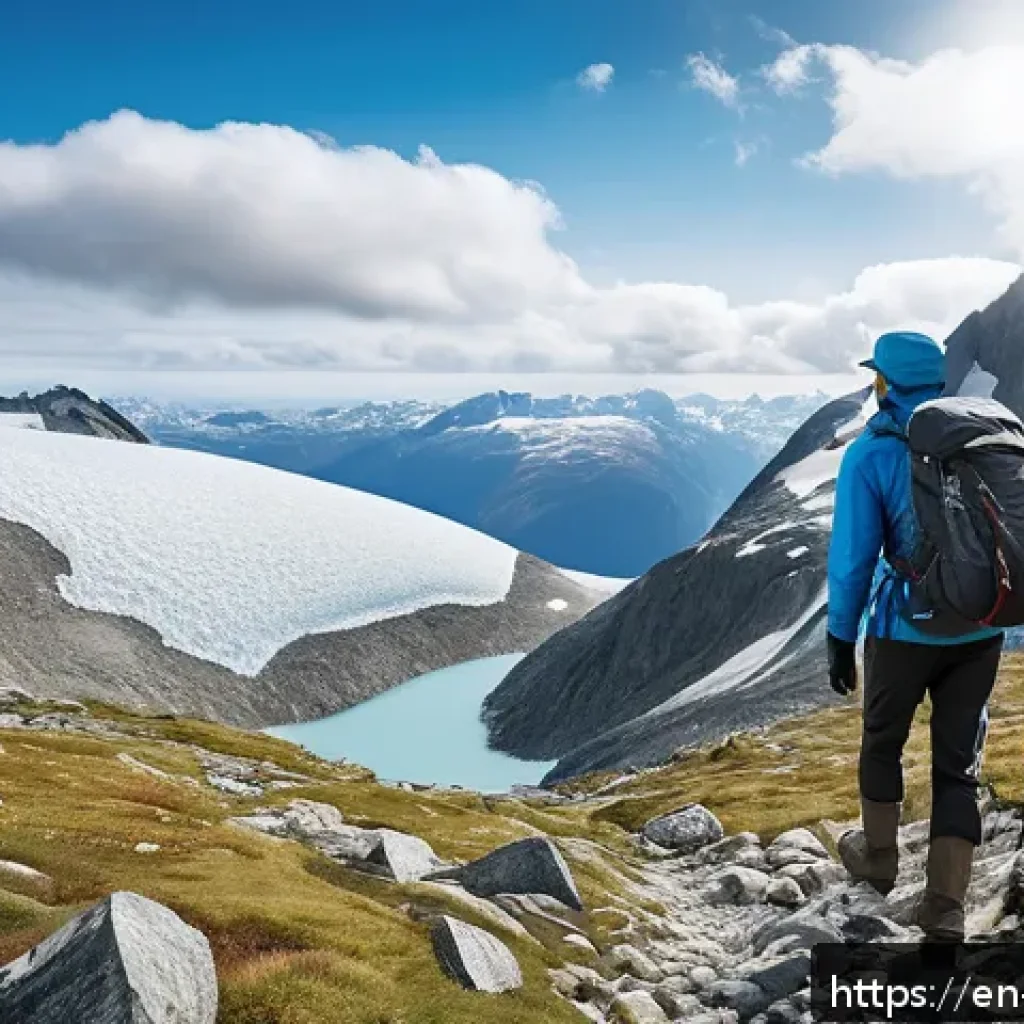
With adventure travel on the rise, now is the perfect time to set your sights on Norway’s tallest peak, Galdhøpiggen. This iconic mountain offers not only breathtaking views but also a challenging hike that rewards every step with stunning natural beauty.
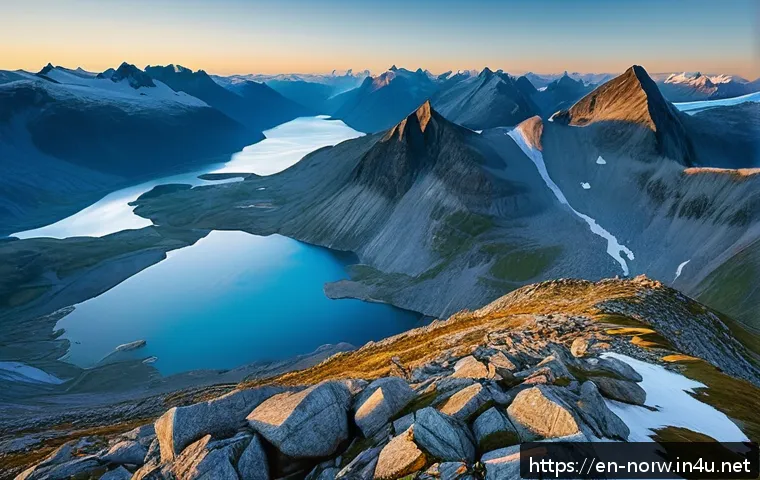
Whether you’re an experienced trekker or a curious explorer, conquering Galdhøpiggen promises an unforgettable experience. In this post, I’ll share insights and tips from my own journey to help you prepare for this ultimate hiking adventure.
Get ready to discover why this Norwegian giant captivates adventurers worldwide and how you can make the most of your climb.
Preparing for the Journey: Essential Gear and Fitness Tips
Choosing the Right Equipment for the Trail
Selecting the proper gear can make or break your Galdhøpiggen experience. From my own trek, I realized how crucial it was to have sturdy hiking boots with excellent ankle support.
The terrain varies from rocky paths to icy patches near the summit, so waterproof and insulated boots are a must. Layering is key since the weather can change rapidly; I packed moisture-wicking base layers, a warm fleece, and a waterproof shell.
Don’t forget gloves, a hat, and sunglasses to protect against the glare from the snow. A reliable backpack with enough capacity for water, snacks, and emergency gear is also essential.
I recommend testing your gear on shorter hikes beforehand to ensure comfort and functionality.
Building Physical Endurance and Strength
Galdhøpiggen’s ascent demands solid cardiovascular fitness and leg strength. I trained by hiking hills with a weighted backpack, which helped me adapt to carrying supplies over uneven ground.
Incorporating stair climbs and lunges into my routine built the muscle endurance needed to tackle steep inclines. It’s also important to work on balance and flexibility to navigate rocky or slippery sections safely.
If you’re not used to altitude, consider spending time at higher elevations before the hike to acclimate your body and reduce the risk of altitude sickness.
Don’t underestimate the value of pacing yourself during the climb; I found that taking steady, measured steps helped conserve energy and maintain motivation.
Understanding Weather Conditions and Timing
Weather on the mountain can be unpredictable, so staying informed is vital. I checked local forecasts daily and monitored conditions via online resources and visitor centers.
The best climbing season typically runs from late June to early September when snow has melted sufficiently, but even then, sudden storms can occur. Early morning starts are advantageous to avoid afternoon winds and to enjoy clearer skies.
Dress in layers to adapt quickly to temperature shifts, and always have waterproof gear ready. Being flexible with your schedule to accommodate weather changes can ensure a safer and more enjoyable adventure.
Mastering Navigation: Trail Routes and Safety Measures
Choosing the Optimal Path to the Summit
There are a few well-marked routes to reach the summit, each with unique features. The most popular trail starts at Juvasshytta and follows a glacier crossing, which requires basic crampon skills and possibly a guide if you’re unfamiliar with glacier travel.
For those seeking a less technical route, the path from Spiterstulen offers a longer but more gradual ascent through stunning alpine terrain. On my hike, I chose the Juvasshytta route because of the glacier experience, which added an exciting challenge.
Whichever path you pick, make sure to study the map, understand the trail markers, and start early to avoid crowds and maximize daylight.
Essential Safety Practices on the Mountain
Safety should be your top priority. I always carry a GPS device and a fully charged phone with offline maps, as cell coverage can be patchy. Inform someone about your itinerary before heading out.
When crossing glaciers, use a harness and rope if you’re not confident, and never travel alone. Weather can turn quickly, so keep an eye on the sky and be ready to turn back if conditions deteriorate.
Bring a first aid kit and know how to treat common hiking injuries like blisters or sprains. Being prepared and cautious helped me feel secure and fully enjoy the breathtaking surroundings.
Understanding Mountain Etiquette and Environmental Responsibility
Respecting the environment and fellow hikers enhances everyone’s experience. Stick to marked trails to prevent erosion and protect fragile vegetation.
I noticed many climbers carrying out all their trash, which is a practice I strongly endorse—pack in, pack out. Keep noise levels low to preserve the tranquility and avoid disturbing wildlife.
If you encounter wildlife, maintain a safe distance and never feed animals. Sharing the trail courteously, especially on narrow sections, ensures smooth passage for everyone.
These simple acts contribute to preserving the mountain’s pristine beauty for future adventurers.
What to Expect on the Summit: Views, Weather, and Wildlife
Breathtaking Panoramas That Reward Every Step
Reaching the peak is a moment of pure awe. From the summit, you can see sprawling glaciers, deep fjords, and distant mountain ranges stretching as far as the eye can see.
I found myself lingering longer than planned, captivated by the vastness and the sense of accomplishment. The air is crisp and cool, and on a clear day, the sunlight sparkling on the snow adds a magical touch.
Bring a camera or smartphone to capture the moment, but also take time to simply soak it all in without distractions. It’s a rare experience that stays with you long after the hike.
Typical Weather Conditions at the Top
At over 2,400 meters, the summit can be much colder and windier than the base. During my climb, temperatures hovered near freezing even in summer, and gusts of wind made it feel several degrees colder.
Weather can shift rapidly, so be prepared for sudden fog or snow flurries. I recommend packing extra layers and a windproof jacket to stay comfortable.
If visibility is low, it’s important to stick close to trail markers and avoid risky shortcuts. The mountain’s mood can change, but that unpredictability adds to its wild charm.
Spotting Local Wildlife and Flora
While the summit itself is mostly rocky and snow-covered, the lower slopes are home to fascinating wildlife. I spotted reindeer grazing peacefully and caught glimpses of ptarmigans blending into the terrain.
Alpine flowers like mountain avens and saxifrage bloom in summer, adding bursts of color against the rugged landscape. Observing these creatures and plants in their natural habitat reminded me of the delicate balance of mountain ecosystems.
Always admire wildlife from a distance and resist the urge to disturb their environment.
Planning Your Trip: Logistics and Accommodation Options
Getting There: Transportation and Access Points
Most adventurers start their journey from either Lom or Otta, towns well connected by train and bus services from Oslo and Bergen. Renting a car offers the most flexibility, especially if you want to explore nearby attractions before or after your hike.
I personally took a bus from Oslo to Lom, which was scenic and convenient. From these towns, shuttle buses or taxis can take you closer to trailheads like Juvasshytta and Spiterstulen.
Planning your transport in advance helps avoid last-minute hassles and ensures you arrive rested and ready.
Where to Stay: From Mountain Lodges to Cozy Cabins
Accommodation options range from rustic mountain huts to comfortable hotels. I stayed at the Spiterstulen mountain lodge, which provided hearty meals and a warm bed after a long day.
Booking in advance is crucial during peak season, as places fill up quickly. If you prefer camping, there are designated spots along the trails, but be prepared for chilly nights and limited facilities.
Staying overnight near the trailhead can give you a head start on the climb and reduce fatigue. Choose accommodation that matches your comfort preferences and budget to enhance your overall experience.
Planning Meals and Hydration
Carrying enough food and water is vital for energy and safety. On the trail, I packed high-calorie snacks like nuts, energy bars, and dried fruit to keep me fueled between breaks.
Water sources are available but not always reliable, so bringing a hydration system or water bottles with purification tablets is wise. Many lodges offer meal services, but if you’re camping or on a tight schedule, self-sufficiency is key.
Eating well and staying hydrated helped me maintain stamina and enjoy every step of the climb.
Overcoming Challenges: Mental and Physical Strategies
Dealing with Fatigue and Muscle Soreness
The climb is physically demanding, and I experienced moments of exhaustion and aching muscles. To push through, I focused on short-term goals like reaching the next landmark rather than the entire summit.
Stretching during breaks and keeping a steady pace helped prevent cramps and stiffness. Listening to your body is important; if you feel unusually fatigued, it’s better to rest or turn back than risk injury.
Mental toughness develops as you progress, and crossing the finish line made every ache feel worthwhile.
Staying Motivated During Tough Sections
There were points on the trail where steep inclines and chilly winds tested my resolve. What kept me going was remembering why I started and picturing the views awaiting me at the top.
I also found that chatting with fellow hikers provided encouragement and a sense of camaraderie. Positive self-talk and celebrating small victories, like reaching a new elevation or overcoming a tricky patch, made a huge difference.
These mental tools are as important as physical preparation for conquering any challenging hike.
Handling Unexpected Situations
On one part of my ascent, a sudden fog rolled in, reducing visibility drastically. Staying calm, I slowed down and used my GPS to navigate carefully. It’s essential to have a plan for emergencies, including knowing the nearest shelters and carrying a whistle or signaling device.
Weather changes, minor injuries, or navigation errors can happen to anyone, but staying composed and prepared helps you manage these challenges safely.
Trusting your instincts and experience makes all the difference when the unexpected occurs.
Key Facts and Quick Reference for Your Climb
| Aspect | Details |
|---|---|
| Elevation | 2,469 meters (8,100 feet) |
| Best Season | Late June to Early September |
| Starting Points | Juvasshytta, Spiterstulen |
| Average Hiking Time | 6 to 8 hours round trip |
| Difficulty Level | Moderate to Challenging |
| Required Skills | Basic glacier travel (for Juvasshytta route), good fitness |
| Accommodation | Mountain lodges, camping, nearby hotels |
| Safety Tips | Check weather, inform others, carry navigation tools |
Conclusion
Climbing Galdhøpiggen is an unforgettable adventure that challenges both your body and mind. With the right preparation, gear, and mindset, you can fully enjoy the stunning landscapes and rewarding summit views. Remember to respect the mountain, stay safe, and embrace every moment of your journey. This experience will leave you with lasting memories and a deep appreciation for nature’s grandeur.
Helpful Tips to Keep in Mind
1. Always test your hiking gear on shorter trips before the big climb to ensure comfort and reliability.
2. Gradually build your endurance by training with weighted hikes and focusing on leg strength and balance.
3. Check weather forecasts regularly and plan your ascent during the optimal season to avoid harsh conditions.
4. Use GPS devices and offline maps to navigate safely, especially in areas with limited cell coverage.
5. Stay hydrated and carry high-energy snacks to maintain stamina throughout your hike.
Key Takeaways for a Successful Climb
Proper preparation is essential—both physically and mentally—to handle the mountain’s challenges. Prioritize safety by informing others of your plans and carrying necessary navigation and first aid equipment. Respecting the environment and fellow hikers helps preserve the trail’s natural beauty. Lastly, pace yourself and stay flexible with your schedule to adapt to changing weather and trail conditions, ensuring a rewarding and safe adventure.
Frequently Asked Questions (FAQ) 📖
Q: What is the best time of year to hike Galdhøpiggen?
A: The ideal period to climb Galdhøpiggen is between late June and early September. During these months, the weather tends to be milder, trails are mostly clear of snow, and guided tours are readily available.
I’ve found that aiming for July or August strikes the perfect balance between decent weather and longer daylight hours, which gives you more time to enjoy the stunning scenery without rushing.
Q: Do I need special equipment or prior experience to climb Galdhøpiggen?
A: While you don’t need to be a professional mountaineer, some basic hiking experience and physical fitness are important. The route can involve glacier crossings, so crampons and ice axes are often necessary.
If you’re not experienced with glacier travel, I highly recommend joining a guided tour where expert guides provide the gear and ensure safety. On my trip, having a guide made all the difference—it allowed me to focus on the breathtaking views instead of worrying about technical challenges.
Q: How physically demanding is the hike, and how long does it usually take?
A: The hike is moderately challenging, with an elevation gain of around 1,400 meters from the starting point. Expect the trek to take between 6 to 8 hours round trip, depending on your pace and weather conditions.
From my experience, pacing yourself and staying hydrated is key. The climb can be tough, especially near the summit, but the incredible panoramic views of Norway’s fjords and glaciers make every step worth it.